
Autonomous AI agents 2026 budget
Pricing for autonomous AI agents in 2026 is no longer a simple per-seat subscription. The market has split into two distinct tiers: lightweight tools that assist with specific tasks, and heavy-duty agents that orchestrate entire workflows. Understanding this divide is the first step in budgeting effectively, as the cost delta between them can be tenfold.
Lightweight agents typically cost between $10 and $50 per user per month. These tools act as digital assistants, handling email triage, calendar scheduling, or basic customer support queries. They rely on existing infrastructure and require minimal integration. For small teams or startups, this tier offers the lowest barrier to entry, allowing you to test automation without overhauling your tech stack.
Enterprise-grade autonomous agents, however, start at $200+ per user per month or operate on custom enterprise contracts. These systems do more than assist; they plan, execute, and verify multi-step processes across different software ecosystems. The higher price reflects the computational power required for reasoning, the cost of API calls to external services, and the ongoing maintenance needed to keep the agent’s knowledge base current.
When evaluating costs, look beyond the sticker price. Autonomous agents consume API tokens based on usage volume. A tool that seems cheap on paper might become expensive if it triggers complex reasoning chains for every minor task. Always request a usage-based pricing model or a cap on token consumption to avoid surprise invoices at the end of the billing cycle.
Compare the strongest autonomous AI agents 2026 options
The 2026 AI agent market has shifted from experimental chatbots to specialized autonomous workers. Choosing the right tool depends on whether you need a general-purpose orchestrator or a domain-specific specialist. The following comparison highlights five leading agents that are replacing traditional SaaS workflows in enterprise and productivity settings.
| Agent | Primary Use | Key Strength | Trusted By |
|---|---|---|---|
| EpicStaff | HR & Recruitment | Automated candidate screening | Hys Enterprise |
| Reclaim.ai | Calendar Management | Smart scheduling & time blocking | Hys Enterprise |
| Aisera | IT Support | Autonomous ticket resolution | Hys Enterprise |
| Moveworks | Enterprise IT | Natural language troubleshooting | Hys Enterprise |
| CrewAI | Developer Workflows | Multi-agent orchestration | Symphony Solutions |
EpicStaff leads in HR automation by handling resume screening and interview scheduling without human intervention. Reclaim.ai is the top choice for productivity, using AI to protect deep-work time and auto-reschedule conflicts. For IT departments, Aisera and Moveworks are replacing helpdesk tickets by resolving technical issues through natural language conversations.


As an Amazon Associate, we may earn from qualifying purchases.
While generalist agents like CrewAI are gaining traction among developers for building custom workflows, most enterprises are adopting a hybrid approach. They deploy specialized agents for high-volume tasks (like IT support) while keeping human oversight for complex strategic decisions. This layered strategy ensures that autonomy increases efficiency without sacrificing control.
Inspect the expensive parts
Use this section to make the The Rise of Autonomous AI Agents decision easier to compare in real life, not just on paper. Start with the reader's actual constraint, then separate must-have requirements from details that are merely nice to have. A practical choice should survive normal use, maintenance, timing, and budget. If a recommendation only works in an ideal situation, call that out plainly and give the reader a fallback path.
-
Verify the basicsConfirm the core specs, condition, and fit before comparing extras.
-
Price the downsideLook for the repair, maintenance, or replacement cost that would change the decision.
-
Compare alternativesCheck at least two comparable options before treating one listing as the benchmark.
The hidden costs of running AI agents
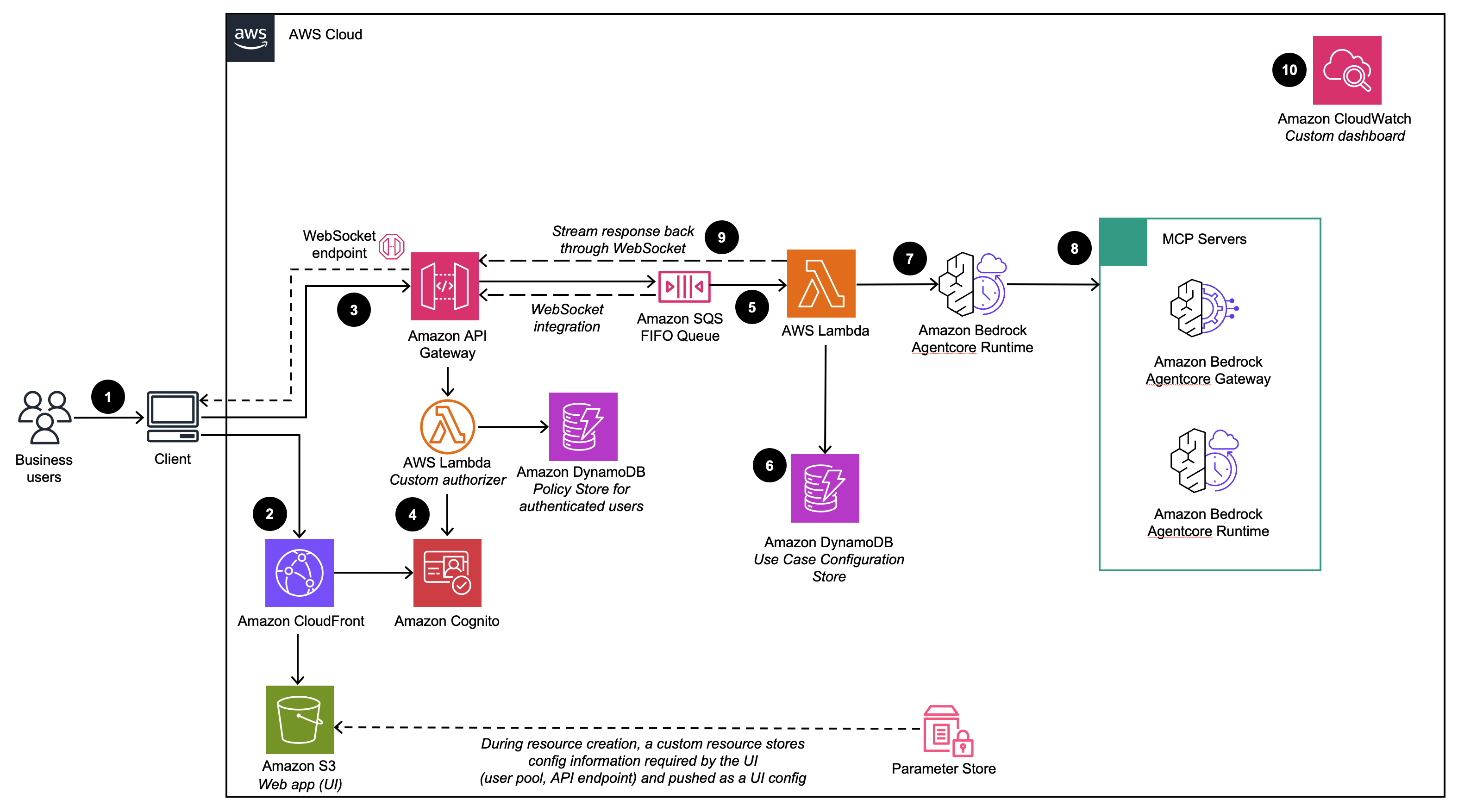
Buying an AI agent is the easy part. Keeping it running without breaking your existing tech stack is where the budget usually breaks. While traditional SaaS tools have predictable monthly fees, autonomous agents introduce variable costs that compound quickly. You are not just paying for software; you are paying for the compute power required to think, plan, and execute multi-step workflows.
The first surprise is often infrastructure. Unlike a static dashboard, an active agent needs reliable API connections to your CRM, email, and calendar. If the agent needs to browse the web or process complex documents, cloud inference costs can spike during peak usage. A tool that looks cheap on paper may cost three times as much once you factor in the token usage and API calls needed to keep it operational.
Maintenance is the second silent cost. Autonomous agents are not "set and forget." They require regular auditing to ensure they are following company guidelines and not hallucinating responses. This means dedicating engineering or operations time to monitor logs, tweak prompts, and fix broken integrations. If you treat an AI agent like a traditional subscription, you will likely find yourself spending more on human oversight than on the software itself.
When to buy: If your workflow is repetitive, high-volume, and well-defined, the ROI is clear. If your process is complex and requires frequent judgment calls, the hidden costs of maintenance and error-correction may outweigh the benefits.

As an Amazon Associate, we may earn from qualifying purchases.
Autonomous ai agents 2026: what to check next
The shift from prompt-based tools to autonomous agents changes how teams evaluate software. These systems don't just answer questions; they plan, execute, and orchestrate multi-step workflows across your existing apps. Choosing the right agent requires looking beyond marketing claims to understand their actual capabilities and costs.
What is the best AI agent in 2026?
There is no single "best" agent because the market has split into specialized and generalist tools. Generalist agents like OpenAI's GPT-5 or Google's Gemini 2.0 handle broad tasks, while specialized agents like EpicStaff for HR or Aisera for IT support excel in specific domains. The best choice depends on whether you need a general helper or a dedicated workflow orchestrator.
What are examples of autonomous AI agents?
Autonomous agents are now categorized by their primary function. Common examples include coding agents that build applications from scratch, research agents that run experiments and analyze results, and enterprise agents like Reclaim.ai that autonomously manage scheduling and meetings. These tools operate with minimal human intervention once their goals are set.
How much does it cost to build an AI agent in 2026?
Building a custom autonomous agent is significantly more expensive than subscribing to a SaaS tool. Costs vary based on complexity, but basic agents can start in the low thousands, while advanced, multi-step orchestrators often exceed $50,000 in development and integration. Most businesses today opt for existing platforms rather than building from scratch due to this high barrier to entry.
What is the most advanced AI in 2026?
Advancement is measured by autonomy and reasoning, not just language processing. The most advanced systems in 2026 are those that can independently plan and execute complex tasks across different software environments. These agents combine large language models with tool-use capabilities, allowing them to navigate interfaces and complete workflows without constant human direction.
No comments yet. Be the first to share your thoughts!