
Autonomous ai agents 2026 limits to account for
The defining shift for 2026 is that AI agents have moved beyond answering prompts to acting autonomously. They now plan tasks, orchestrate multi-step workflows, and execute complex operations without constant human oversight. This transition from reactive chatbots to proactive workers requires a new approach to integration and evaluation.
In enterprise settings, these agents run for minutes or hours, handling end-to-end processes like supply chain adjustments or code deployment. This capability introduces significant complexity. You must define strict guardrails to prevent runaway costs or unintended actions. The value lies not just in automation, but in reliable, self-correcting execution.
When selecting an agent, focus on its ability to handle long-horizon tasks. Look for systems that can break down vague goals into executable steps. The best agents in 2026 are those that can navigate ambiguity and recover from errors without crashing the entire workflow.
Evaluating the tradeoffs of autonomous ai agents in 2026
Choosing an autonomous AI agent for enterprise workflows requires balancing capability against risk. In 2026, the shift from simple prompt-response bots to systems that plan and execute multi-step tasks introduces new variables. You must evaluate how much control you surrender for speed, and whether your infrastructure can handle the latency and cost of agents running for hours rather than seconds.
The core tradeoffs generally fall into three buckets: autonomy level, integration depth, and operational cost. High-autonomy agents reduce human oversight but increase the risk of cascading errors if they misinterpret a complex workflow. Deep integration with legacy systems offers efficiency but often requires significant custom engineering to ensure data security and compliance. Finally, the cost structure has shifted from per-prompt fees to compute-heavy consumption models, meaning idle agents can still drain budgets.
To help you weigh these factors, compare the following common agent types against their typical enterprise impact. This table highlights the specific compromises you will face when selecting between research, coding, and operational agents.
| Agent Type | Autonomy Level | Primary Risk | Best Use Case |
|---|---|---|---|
| Research Agents | High | Hallucination in citations | Market analysis, due diligence |
| Coding Agents | Medium | Security vulnerabilities in code | Boilerplate generation, testing |
| Workflow Orchestrators | Low-Medium | Integration failures | Cross-system data sync |
| Customer Support Agents | High | Brand reputation damage | Tier-1 query resolution |
The cost of building these agents varies wildly based on complexity. A simple chatbot wrapper might cost under $10,000, while a fully autonomous research agent with custom tooling and security audits can exceed $100,000. Use the calculator below to estimate your baseline development costs based on your specific requirements.
Choose the next step
The AI Agent Economy works best as a clear sequence: define the constraint, compare the realistic options, test the tradeoff, and choose the path with the fewest hidden costs. That order keeps the advice usable instead of decorative. After each step, pause long enough to check whether the recommendation still fits the reader's actual situation. If it depends on perfect timing, unusual access, or a best-case budget, include a simpler fallback.


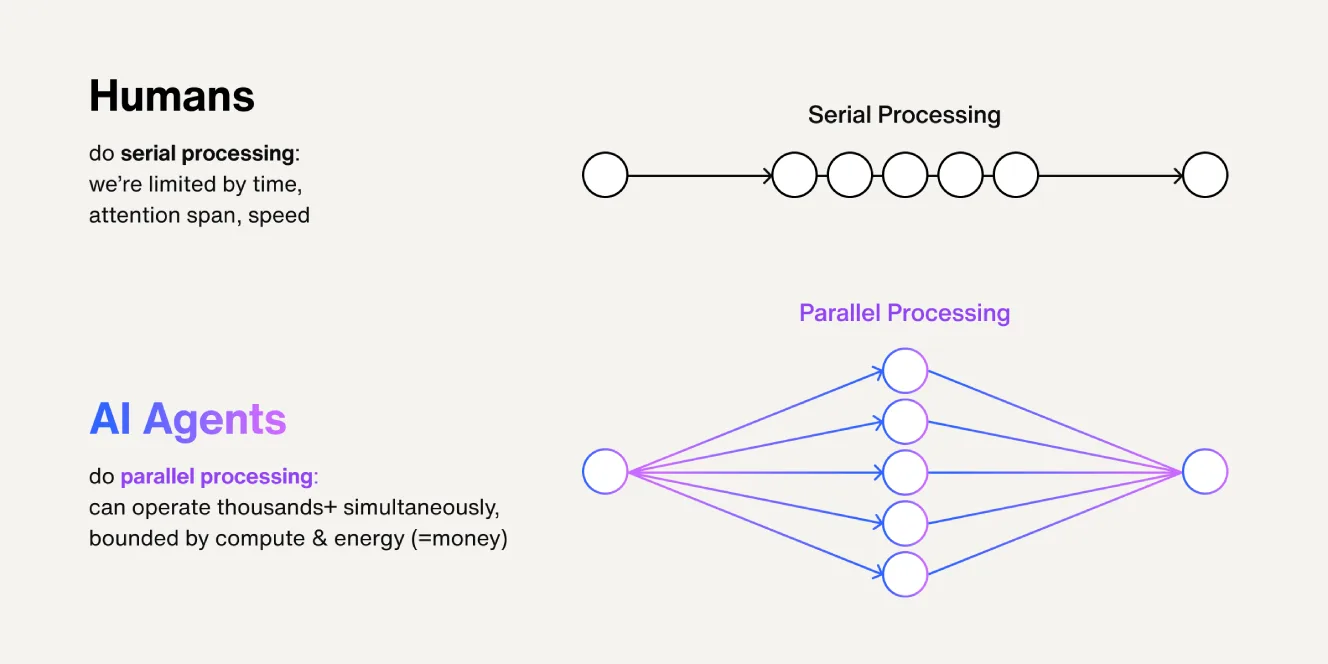
Spotting Weak AI Agent Options
The 2026 AI agent market is crowded with promises that rarely match enterprise reality. Many vendors market "autonomous" capabilities that are actually just sophisticated chatbots with a web search plugin. Before committing to an enterprise workflow, you need to distinguish between true agency and simple automation.
True autonomous agents can plan, execute multi-step workflows, and self-correct without human intervention for extended periods. Weak options stop at single-turn responses or require constant human oversight for every step. Look for agents that can run for minutes or hours, orchestrating complex tasks across different software environments. If an agent cannot handle a multi-step failure gracefully, it is not ready for production.
Common mistakes include overestimating an agent's ability to reason through novel problems. Most current agents excel at structured tasks but struggle with ambiguous instructions. Evaluate options by testing them with edge cases, not just ideal scenarios. A robust agent should explain its reasoning and ask for clarification when uncertain, rather than hallucinating a confident but incorrect answer. Always verify that the agent's actions are logged and auditable for compliance.
Autonomous ai agents 2026: what to check next
The shift from prompt-based chatbots to autonomous agents has raised practical questions for enterprise leaders. Below are direct answers to the most common inquiries regarding deployment, costs, and workforce impact in 2026.
What is the best AI agent in 2026?
There is no single "best" agent; the right choice depends on your workflow. Specialized agents like EpicStaff for HR or Reclaim.ai for scheduling outperform general models in their domains. For broad enterprise tasks, systems like Aisera or Moveworks provide robust orchestration. Choose the tool that matches your specific operational bottleneck rather than seeking a universal solution.
What are examples of autonomous AI agents?
Autonomous agents now handle multi-step workflows independently. In coding, agents run for hours to debug and deploy software. In research, they execute experiments and analyze results without constant human oversight. Enterprise examples include automated customer support agents that resolve tickets and IT agents that manage system updates, all acting with minimal human intervention.
Which 3 jobs will not survive AI?
AI is unlikely to fully replace roles requiring complex physical dexterity, deep emotional intelligence, or high-stakes strategic judgment. Jobs such as skilled tradespeople (plumbers, electricians), healthcare providers (nurses, therapists), and senior executives (CEOs, judges) remain resistant to full automation. These roles rely on human presence and nuanced decision-making that autonomous systems cannot yet replicate.
How much does it cost to build an AI agent in 2026?
Costs vary by complexity. Simple rule-based agents cost under $5,000. Custom enterprise agents with advanced reasoning and integration typically range from $20,000 to $100,000+ in development. Ongoing expenses include API fees, compute power, and maintenance. Use the calculator below to estimate your specific budget based on required features and scale.
No comments yet. Be the first to share your thoughts!