
Get autonomous ai agents 2026 right
Autonomous agents in 2026 have moved far beyond simple prompt-response interactions. They now plan tasks, orchestrate multi-step workflows, and execute actions with minimal human oversight. Before deploying these systems, you must establish clear boundaries and technical foundations.
Start by defining the agent's scope. An agent that tries to do everything will fail. Narrow the focus to specific, high-value workflows where autonomy adds measurable value. This clarity prevents scope creep and makes troubleshooting significantly easier.
Ensure your infrastructure can handle the agent's actions. This includes secure API access, reliable data pipelines, and robust error-handling mechanisms. Without these prerequisites, even the most sophisticated models will struggle to operate effectively in production.
Walk through the steps
Deploying an autonomous AI agent requires moving beyond simple prompt-response patterns into structured, self-correcting workflows. In 2026, the most effective agents plan tasks, orchestrate multi-step processes, and execute actions with minimal human intervention. This section outlines the practical sequence for building and validating a self-healing system that can handle enterprise-grade complexity.
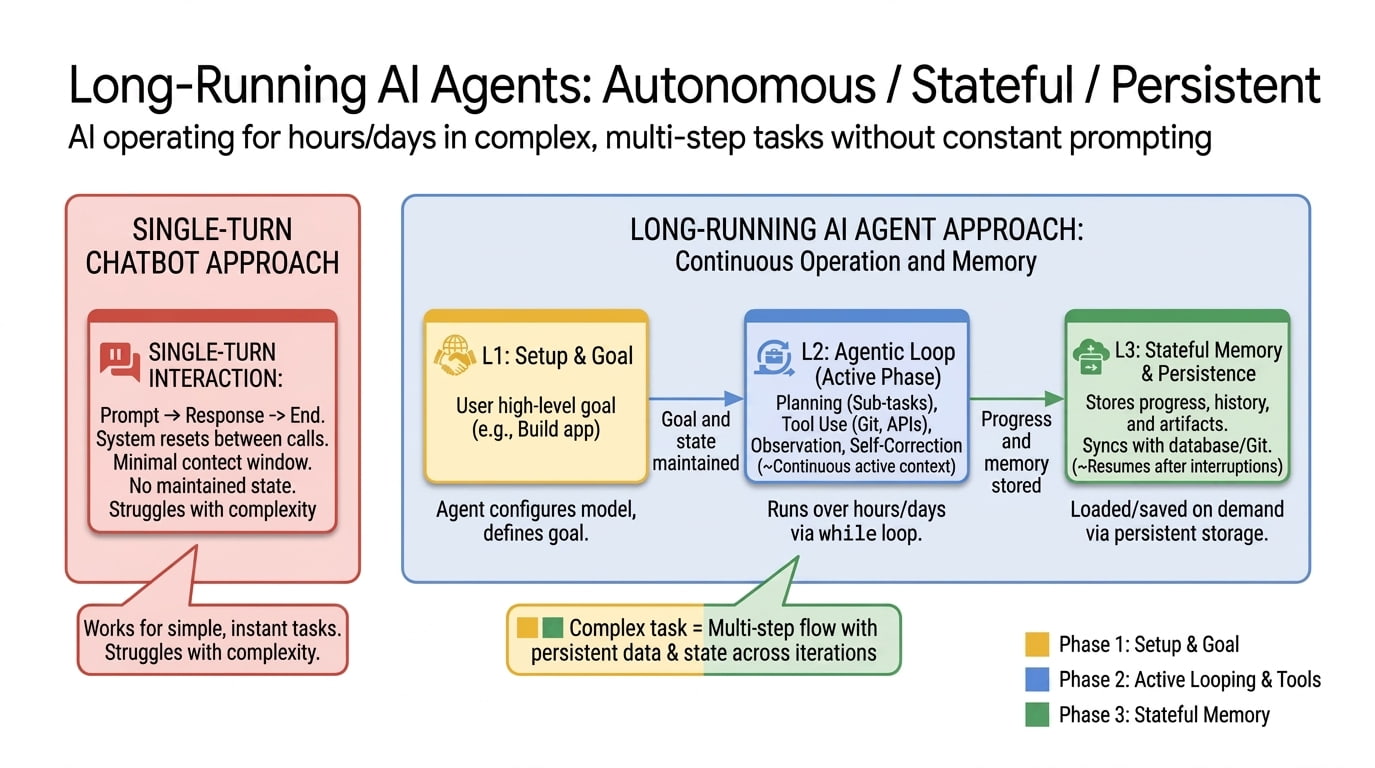
Start by mapping the specific business problem the agent will solve. Avoid broad directives like "improve customer service." Instead, define a precise boundary, such as "process refund requests under $500." Determine the autonomy level: will the agent act only after human approval (semi-autonomous) or execute decisions independently (fully autonomous)? Clear boundaries prevent scope creep and reduce the risk of unintended actions in critical workflows.
Choose a framework that supports complex reasoning and tool use. In 2026, platforms like LangChain, AutoGen, or specialized enterprise solutions offer built-in support for multi-agent orchestration. Evaluate options based on their ability to integrate with your existing tech stack, including databases, CRMs, and communication tools. Prioritize frameworks that offer robust error handling and logging capabilities, as these are essential for debugging autonomous behavior.
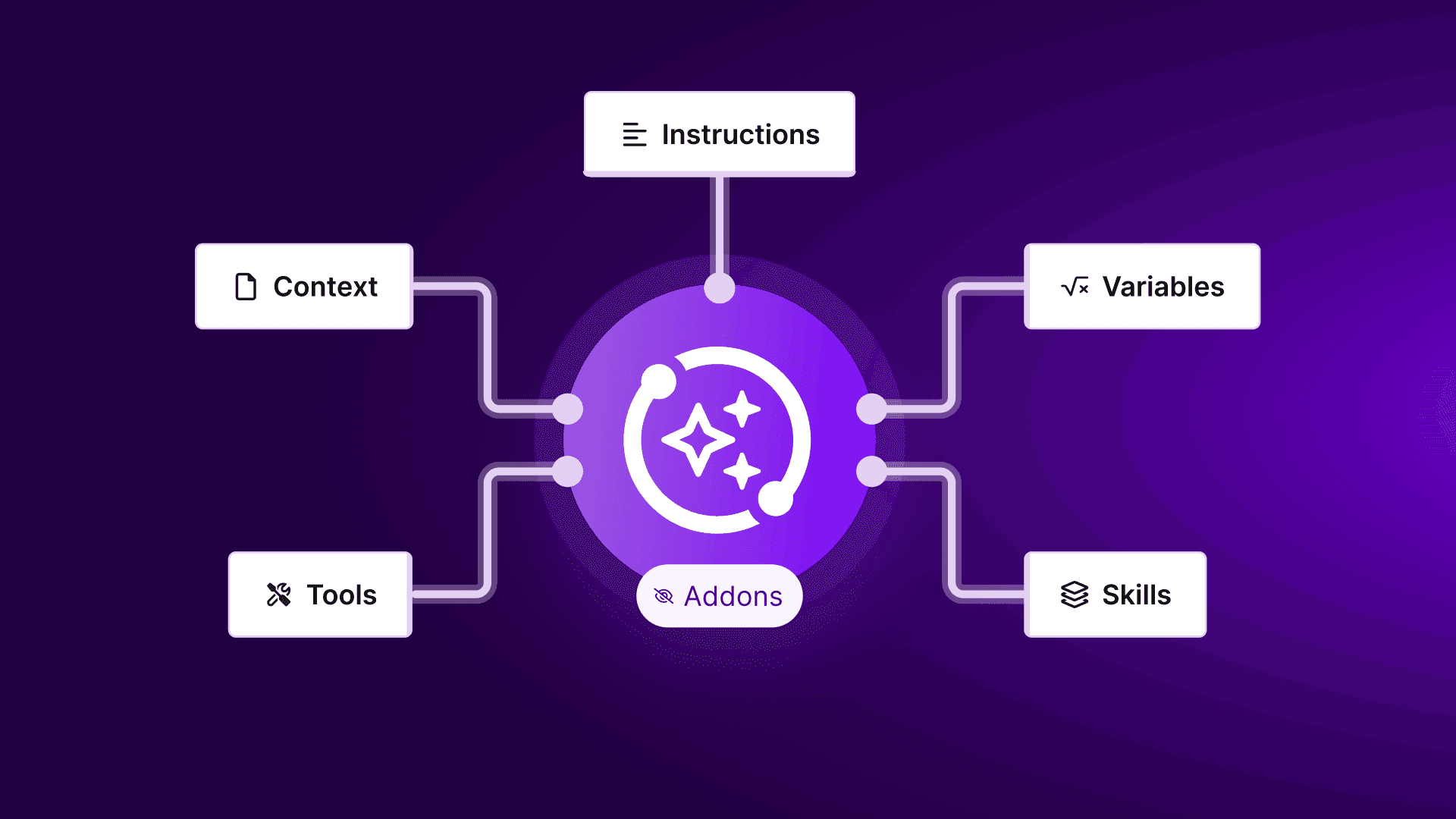
Equip the agent with the necessary "hands" to perform tasks. This involves defining API endpoints, database queries, and software commands the agent can execute. For example, a financial agent might need access to transaction ledgers and approval workflows. Ensure each tool has clear input/output schemas and authentication protocols. Test each integration individually to confirm the agent can retrieve data and trigger actions without permission errors.
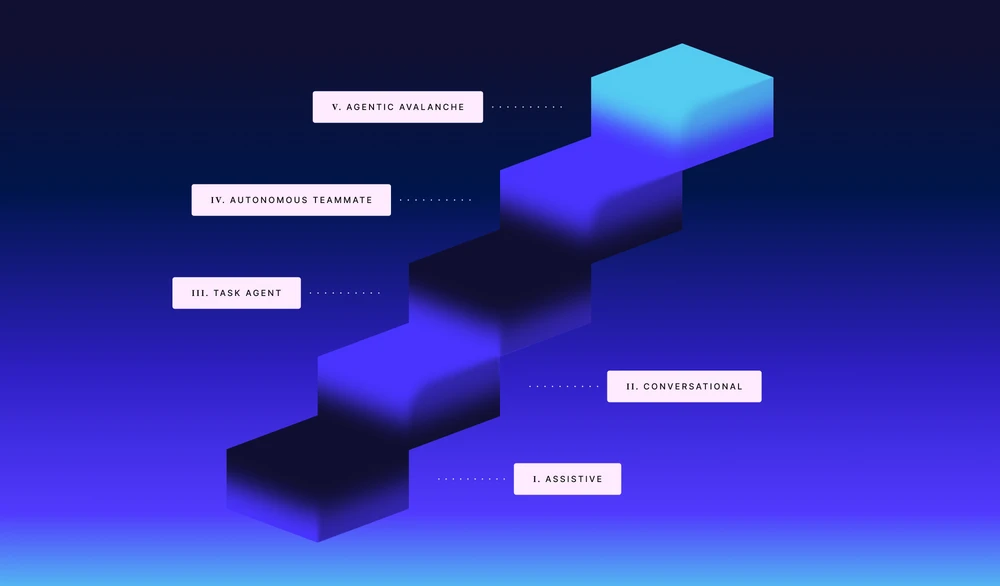
Autonomous systems will encounter failures. Build in self-healing mechanisms by defining fallback strategies. If an API call fails, the agent should retry with exponential backoff or switch to an alternative data source. Implement a "reflection" loop where the agent analyzes its own output for errors before finalizing a task. For instance, if a generated code snippet contains syntax errors, the agent should automatically attempt to fix them before presenting the result to the user.

Before full deployment, run the agent through a series of stress tests using historical data and edge cases. Monitor key metrics such as task completion rate, error frequency, and response time. Identify failure points where the agent deviates from expected behavior. Iterate on the prompts and tool configurations based on these findings. Continuous validation ensures the agent remains reliable as business rules and external APIs evolve.
Common Mistakes That Break Autonomous Agents
Even with powerful models like Claude Code or Gemini, autonomous agents fail when they operate in a vacuum. The most frequent error is treating the agent as a black box rather than a component in your existing stack. Without clear guardrails, self-healing systems can drift from their objectives or execute unintended side effects.
Ignoring Context Windows and State Limits
Agents often lose track of long-running workflows when context windows fill up. If you don't implement explicit state management or checkpointing, the agent may forget earlier instructions or duplicate efforts. This leads to infinite loops or corrupted data states. Always design your system to truncate or summarize history intelligently, preserving only the critical context needed for the next step.
Over-Autonomizing Without Human Oversight
Giving an agent full autonomy over critical enterprise workflows is risky. A common mistake is removing human-in-the-loop checkpoints for high-stakes actions like database migrations or financial transactions. While self-healing is valuable, it should not replace verification. Implement approval gates for actions that modify production environments or sensitive data. This balances speed with safety, ensuring the agent can recover from minor errors without causing major disruptions.
Poor Error Handling and Retry Logic
Agents that fail silently or retry indefinitely without backoff strategies are a recipe for disaster. They can overwhelm APIs or create cascading failures across your infrastructure. Instead, design explicit error-handling protocols. The agent should log failures, attempt limited retries with exponential backoff, and escalate to a human operator if the issue persists. This ensures that self-healing mechanisms are robust, not reckless.
No comments yet. Be the first to share your thoughts!