
Autonomous ai agents 2026 budget
The cost of running autonomous AI agents in 2026 is no longer just about the API call. It is about the compute required to keep those agents alive for minutes or hours while they execute complex, multi-step workflows. When an agent stops being a simple prompt-response tool and starts acting as an autonomous team member, the pricing model shifts from per-query to per-session.
This shift creates a steep tradeoff between budget and reliability. You are essentially paying for the agent’s ability to think, plan, and recover from errors without human intervention. A cheap, shallow agent might finish a task in seconds but fail on complex logic. A robust, deep-thinking agent costs more per run but succeeds on the first try, saving you the hidden cost of debugging and re-running.
To keep your budget in check, you must match the agent’s capability to the task’s complexity. Use lightweight models for routine data extraction and reserve expensive, reasoning-heavy models for critical decision-making steps. This tiered approach prevents you from overspending on simple queries while ensuring you have the necessary power for the hard parts of your workflow.


As an Amazon Associate, we may earn from qualifying purchases.
Shortlist real options
The landscape for autonomous AI agents in 2026 has shifted from experimental pair-programming tools to systems capable of running for hours without human intervention. However, production environments demand more than just long-context windows; they require constrained agents with robust observability and reliable tool-use capabilities.
When selecting an autonomous agent solution, the primary differentiator is no longer the underlying model's intelligence, but rather the agent's ability to maintain stability and transparency during extended workflows. The following table compares the strongest options currently available for enterprise and production use cases, focusing on architectural differences that impact reliability.
| Agent | Architecture | Best For | Observability |
|---|---|---|---|
| CrewAI | Multi-agent collaboration framework | Complex, multi-step workflows requiring role specialization | Structured logging via task outputs |
| LangGraph | State-machine based graph execution | Precise control flow and human-in-the-loop checkpoints | Native state tracing and debugging |
| AutoGen | Conversational agent groups | Research and code generation tasks requiring iterative discussion | Conversation history and tool call logs |
| Microsoft AutoGen | Hierarchical team simulation | Enterprise automation with strict permission boundaries | Integration with Azure Monitor and OpenTelemetry |
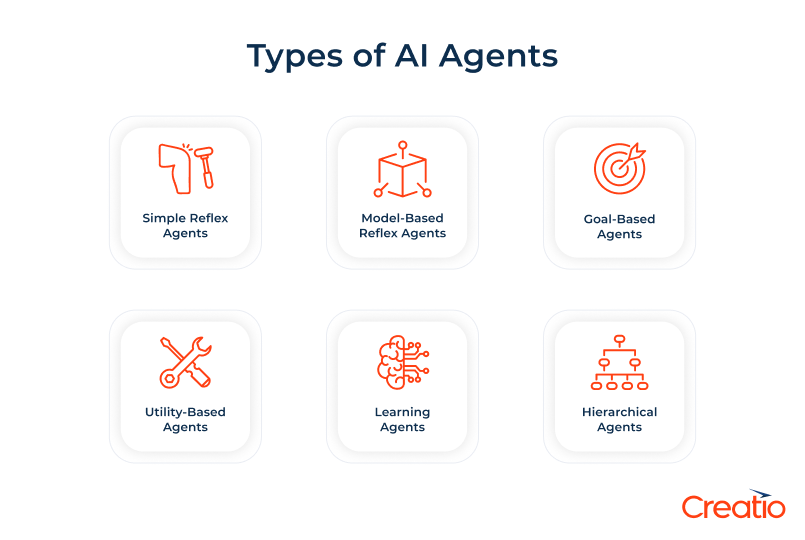
Each of these frameworks approaches autonomy differently. CrewAI excels when you need distinct personas to handle specialized parts of a task, while LangGraph provides the deterministic control necessary for critical business processes. AutoGen remains a strong choice for iterative problem-solving, particularly in coding and research domains where back-and-forth dialogue is essential.
For production readiness, the choice often comes down to how well the framework integrates with existing monitoring stacks. Solutions that support OpenTelemetry or native state tracing allow engineering teams to debug failures without replaying entire sessions, a critical requirement for maintaining SLAs in autonomous operations.
Inspect the expensive parts
2026 guide: Building Autonomous AI Agents That Actually Work in Production works best as a clear sequence: define the constraint, compare the realistic options, test the tradeoff, and choose the path with the fewest hidden costs. That order keeps the advice usable instead of decorative. After each step, pause long enough to check whether the recommendation still fits the reader's actual situation. If it depends on perfect timing, unusual access, or a best-case budget, include a simpler fallback.

Plan for ownership costs
The biggest change in 2026 is that agents are no longer limited to short prompt-response interactions. They can run for minutes or hours, turning a simple API call into a continuous operational expense. When an agent works autonomously, the cost isn't just the model inference; it's the compute, memory, and latency management required to keep it stable over long sessions.
Maintenance surprises often appear in the form of drift. As your codebase or external APIs change, the agent's context and tools may become stale. You need a process for periodic re-evaluation and prompt refinement, which adds engineering hours to the total cost of ownership. A cheap buy stops being cheap when the hourly wage of an engineer debugging a runaway agent exceeds the subscription fee of a managed platform.
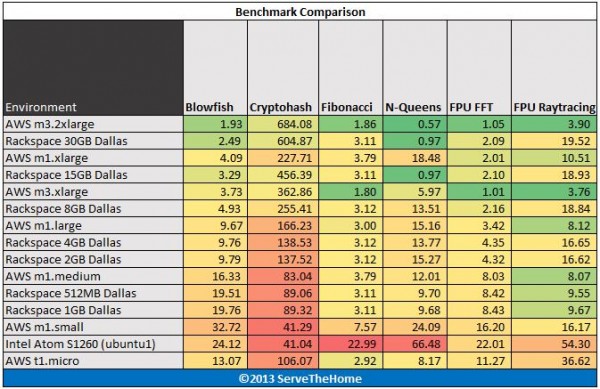
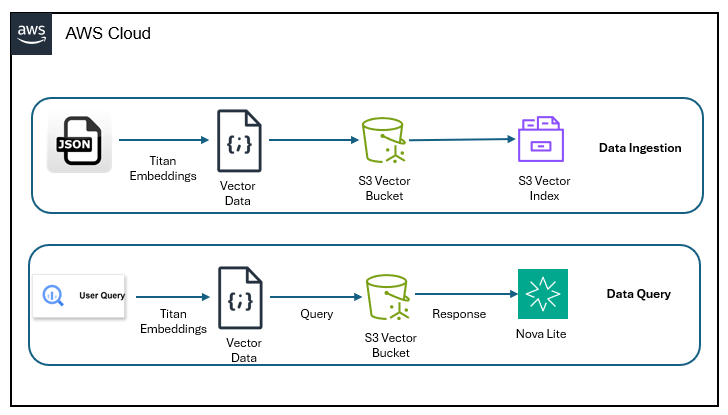
To manage these costs, treat the agent as a product, not a script. Monitor token usage per task, set hard timeouts for long-running jobs, and budget for regular maintenance cycles. The following tools can help streamline the underlying infrastructure, reducing the friction of keeping agents in production.

As an Amazon Associate, we may earn from qualifying purchases.
Autonomous ai agents 2026: what to check next
Autonomous AI agents have moved past the prototype phase, but production deployment requires more than just a powerful language model. Success depends on observability, constrained tooling, and realistic expectations about autonomy. Here are the practical questions teams ask before deploying agents in 2026.
Can AI agents run for hours without crashing?
Yes, but only with the right agentic harness. Early agents failed because they lost context or entered infinite loops. Modern frameworks now support long-running sessions that can focus for hours, executing complex multi-step workflows without constant human intervention. The key is robust state management and clear exit criteria.
Are agents truly autonomous or just advanced chatbots?
They are constrained agents with tools, not magic. In production, agents operate within defined boundaries, using specific tools and APIs to complete tasks. They plan and execute actions independently, but they still require strong guardrails and observability to prevent errors. True autonomy means they can handle variability, not just follow a script.
What is the biggest risk in production?
Hallucinations and unintended side effects. Unlike chatbots that only generate text, autonomous agents can modify databases, send emails, or trigger workflows. Without strict permissions and monitoring, an agent might make a costly mistake. This is why most 2026 deployments use "constrained autonomy"—agents can act, but humans review critical steps.
Is it worth the investment now?
For task-specific automation, yes. Gartner projects that 40% of enterprise applications will feature task-specific AI agents by the end of 2026. The ROI is clear for repetitive, rule-heavy tasks like code review, data entry, or customer support triage. However, for open-ended creative work, human-in-the-loop remains more reliable.
No comments yet. Be the first to share your thoughts!