
Get autonomous ai agents 2026 right
Before deploying autonomous ai agents 2026 into production, you must define strict operational boundaries. Unlike standard copilots that wait for human approval on every step, these agents perceive, reason, and act in the real world without constant oversight. This autonomy introduces significant liability if the system drifts from its intended purpose.
The most critical prerequisite is scope containment. Do not chase "super agents" that attempt to handle multiple disparate workflows. Instead, design each agent to stay in its lane. A finance agent should only touch billing data; a support agent should only access customer tickets. Overlapping permissions create confusion and increase the risk of unauthorized actions.
Next, establish human-in-the-loop checkpoints for high-stakes decisions. Even fully autonomous systems need guardrails. Define specific thresholds—such as transaction amounts or data access levels—that require manual verification. This ensures that while the agent handles routine execution, humans retain control over critical outcomes.
Finally, implement real-time monitoring and rollback capabilities. You need visibility into what the agent is doing and the ability to stop it immediately if anomalies occur. Without these safeguards, an autonomous agent can cause irreversible damage in seconds. Start with narrow, well-defined tasks before expanding the agent’s autonomy.
Work through the steps
Autonomous AI agents perceive, reason, and take real-world actions to achieve goals without human approval at every step. However, they are not magic. They are systems that must be carefully configured, monitored, and corrected. This section walks you through the practical steps to set up a reliable autonomous agent workflow, from defining scope to verifying execution.

Start by clearly defining what the agent can and cannot do. By 2026, AI agents will run workflows, but only if we stop chasing 'super agents' and design them to stay in their lanes. A narrow, well-defined scope reduces errors. Specify the exact inputs the agent receives, the tools it can access, and the desired output format. Avoid vague instructions like "research this." Instead, use "scrape these three competitor pages and extract pricing tables into a CSV."
Choose a language model that matches the complexity of the task. Simple data extraction doesn't need a heavy reasoning model. Pair the model with the correct tools. If the agent needs to browse the web, ensure it has a reliable browser automation tool like Playwright. If it needs to update a database, provide secure API credentials. Test each tool individually before connecting them to the agent to ensure reliability.

Autonomous agents can make costly mistakes. Implement guardrails to prevent unauthorized actions. Use a "human-in-the-loop" checkpoint for high-stakes decisions, such as sending emails or making payments. For lower-risk tasks, use automated validation scripts that check the output before it's considered complete. For example, if an agent is writing code, run a linter and unit tests before deployment. These checks act as a safety net, catching errors before they cause damage.
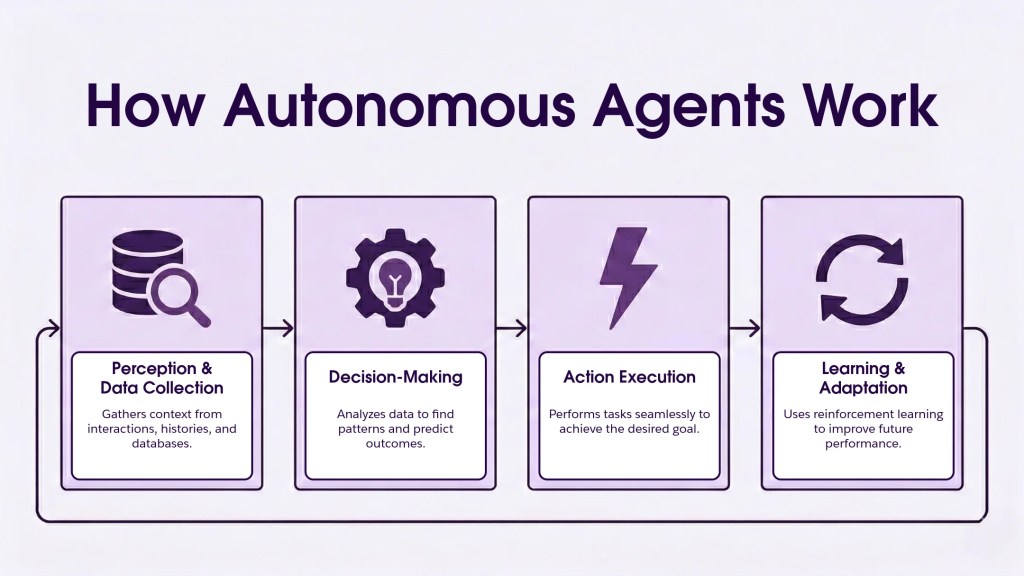
Launch the agent and monitor its progress in real-time. Watch for signs of hallucination or tool misuse. Most agent frameworks provide logs showing each step the agent takes. Review these logs to ensure the agent is following the defined scope. If the agent deviates, pause it and adjust the instructions. Continuous monitoring is essential for maintaining control over autonomous systems.
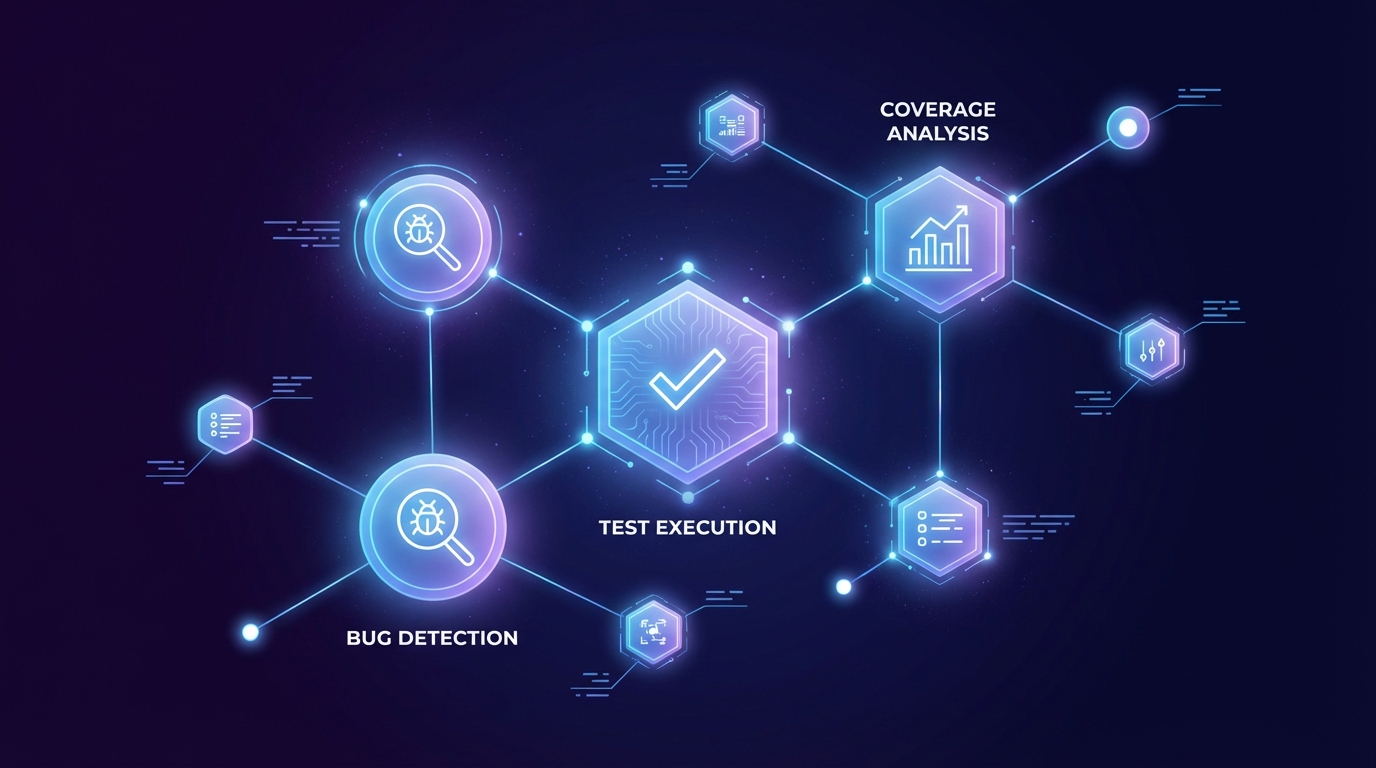
After the agent completes its task, verify the output against the original goal. Did it extract the correct data? Did it follow the formatting rules? If the output is incorrect, analyze the logs to find where the agent went wrong. Adjust the prompt, add more constraints, or change the tool configuration. Repeat the process until the agent consistently produces accurate results. This iterative refinement is key to building reliable autonomous workflows.
A quick checklist to ensure your autonomous agent is ready for production:
-
Scope is clearly defined with specific inputs and outputs
-
Tools are tested and connected securely
-
Guardrails are in place for high-stakes actions
-
Monitoring and logging are enabled
-
Output verification process is established
Fix common mistakes when building autonomous AI agents
Autonomous AI agents are systems that perceive, reason, and take real-world actions to achieve goals without human approval at every step. While the promise of full auto-execution is compelling, many implementations fail because they treat the agent as a general-purpose assistant rather than a specialized tool. The most frequent errors stem from poor boundary definition, insufficient guardrails, and vague goal setting.
Overpromising autonomy with "super agents"
The biggest mistake is trying to build a single "super agent" that handles every aspect of a workflow. By 2026, successful deployments rely on specialized agents that stay in their lanes. When you assign too many responsibilities to one agent, you increase the risk of hallucination and drift. Instead of one complex model, use a team of focused agents that hand off tasks to each other. This modular approach reduces error rates and makes debugging much easier.
Ignoring the need for human-in-the-loop checkpoints
Full autonomy sounds efficient, but it is rarely safe for high-stakes tasks. Agents need clear boundaries where they must pause and ask for confirmation. Without these checkpoints, an agent might execute a flawed plan with catastrophic consequences. Design your workflows to include mandatory review stages for critical actions, such as financial transactions or legal filings. This doesn’t slow things down significantly; it prevents costly errors that require manual recovery.
Vague goal definitions lead to drift
Agents perform best when their objectives are specific and measurable. If you give an agent a broad goal like "improve customer satisfaction," it may interpret that in ways that don’t align with your business needs. Define clear success metrics and constraints. For example, instead of "handle returns," specify "process returns under $50 without manager approval, but flag anything above for review." Clear instructions keep the agent on track and reduce the need for constant oversight.
Autonomous ai agents 2026: what to check next
Before deploying autonomous AI agents, it is essential to address the practical risks regarding control, accuracy, and cost. The following questions cover the most common objections teams face when moving from pilot to production.
No comments yet. Be the first to share your thoughts!