
In the accelerating fusion of artificial intelligence and blockchain, Solana stands as the high-speed rail for autonomous agents executing DeFi trades, NFT flips, and yield optimizations without human oversight. With Binance-Peg SOL trading at $82.89, up $1.05 in the last 24 hours from a low of $79.67, the network's momentum underscores its readiness for AI agent Solana wallet innovations. Enter the AgentWallet Protocol, a full-stack wallet-as-a-service built explicitly for these digital entities, enabling secure, policy-controlled transactions via Program Derived Addresses (PDAs) complete with per-transaction and daily spending limits. This tutorial dives deep into constructing your first autonomous AI wallet on Solana, positioning you at the vanguard of decentralized intelligence.

AgentWallet redefines how AI agents interact with Solana's ecosystem. Unlike traditional wallets tethered to private keys vulnerable to compromise, this protocol leverages Anchor programs with seven core instructions for wallet creation, fund management, and execution. Developers tap into Python 3.11-powered FastAPI endpoints backed by PostgreSQL for state persistence and Redis for caching, all containerized in Docker for seamless deployment on platforms like Railway. Open-source under MIT, it's primed for the era where agents not only decide but transact independently, audited and limited to prevent rogue behaviors.
Why AgentWallet Protocol Dominates Solana AI Agent DeFi Tutorials
Solana's sub-second finality and fees under a cent make it the ideal canvas for AI agent Solana wallet proliferation, but security remains the linchpin. AgentWallet addresses this head-on with PDA spend policies for AI agents, enforcing granular controls that align with real-world risk management. Picture an agent arbitraging yields across protocols; without limits, a glitch could drain funds. Here, you set per-tx caps at 0.1 SOL or daily aggregates at 5 SOL, all verifiable on-chain.
AgentWallet isn't just a tool; it's the governance layer ensuring AI autonomy scales responsibly amid Solana's $82.89 SOL price stability.
Recent integrations amplify its edge. Model Context Protocol (MCP) compatibility unlocks 27 AI-native tools, syncing seamlessly with frameworks like ElizaOS or Solana Agent Kit. This positions AgentWallet as the go-to for production-ready builds, outpacing key-based alternatives highlighted in Helius or Turnkey guides. In a market where SOL hit $83.42 today, such precision fuels confidence in agent-driven portfolios.

Essential Setup: Forging Your Solana AI Agent Development Forge
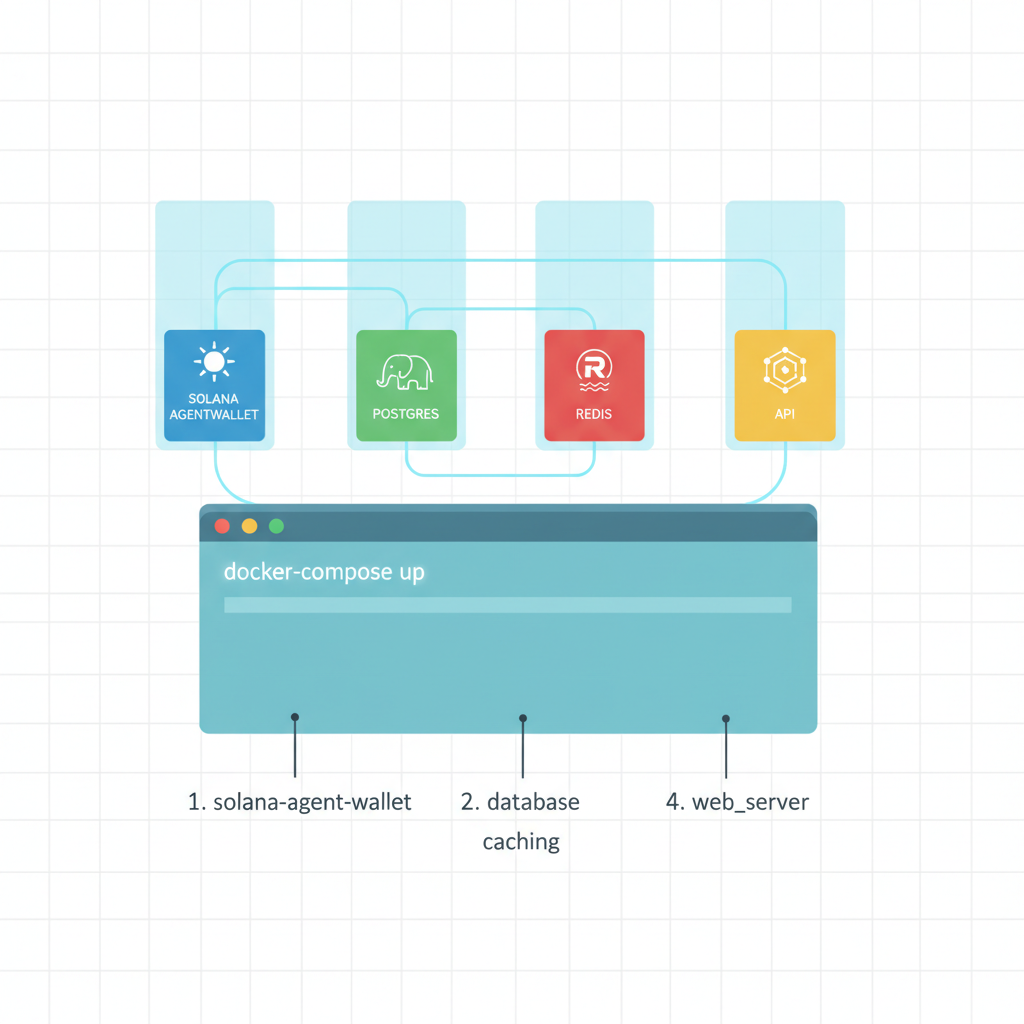
Before invoking the first instruction, assemble your toolkit mirroring AgentWallet's stack. Rust and Anchor for on-chain logic; Python for off-chain APIs. Ensure Solana CLI version 1.18 and, Node. js 20 and, and Yarn for dependencies. PostgreSQL 15 handles wallet states, Redis 7 caches ephemeral data. Docker-compose orchestrates local clusters, while Railway simplifies prod pushes.
- Install Solana tools:
sh -c "$(curl -sSfL https://release.solana.com/stable/install)" - Anchor init:
anchor init agent-wallet-tutorial - Python env:
python3.11 -m venv. venv and amp; and amp; source. venv/bin/activate and amp; and amp; pip install fastapi solana anchorpy - Database: Spin up Postgres/Redis via
docker-compose up -d
Configure your Solana keypair for devnet: solana-keygen new, then airdrop SOL via solana airdrop 10. This foundation echoes Alchemy's 2026 Solana AI agent blueprint, but AgentWallet elevates it with native policy engines.
Launching Your Premier Autonomous AI Wallet: PDA Creation Ritual
With environment primed, craft the wallet via Anchor. Define the program ID and PDA seeds tied to your agent's unique identifier, say a hash of its prompt or pubkey. The create_wallet instruction initializes the account, embedding PDA spend policies for AI agents: max_tx_sol and daily_limit_sol as u64 fields.
In your lib. rs, sketch the accounts struct:
#[account] pub struct AgentWallet { pub owner: Pubkey, pub bump: u8, pub max_tx_sol: u64, pub daily_limit_sol: u64, pub spent_today: u64, pub last_reset: i64, }Deploy with anchor build and amp; and amp; anchor deploy, then pivot to Python client. FastAPI endpoint/wallets/create accepts JSON: {"agent_id": "my-ai-trader", "max_tx": 0.1, "daily": 5.0}. Under the hood, it derives PDA, invokes CPMM via solana-py, and persists to Postgres. Test on devnet; fund via transfer instruction. SOL at $82.89 means your 10 airdrop translates to tangible experimentation value.
This genesis wallet now pulses with potential, ready for AI hooks in the latter half. Agents query balances, propose txs bounded by policies, execute via RPC. Visionary developers see here the seed of fleets optimizing across DeFi, geopolitics be damned- pure code commanding capital flows.
Infuse intelligence by hooking your agent into the wallet via MCP endpoints, where LLMs query wallet state before proposing actions. A trading bot, for instance, scans Jupiter DEX for arbitrage, computes slippage, then calls the execute_tx instruction only if under max_tx_sol. This dance of cognition and code, bounded by PDA spend policies for AI agents, mirrors central bank vaults: prudent, auditable, unstoppable.
Transaction Execution: Unleashing Controlled Autonomy
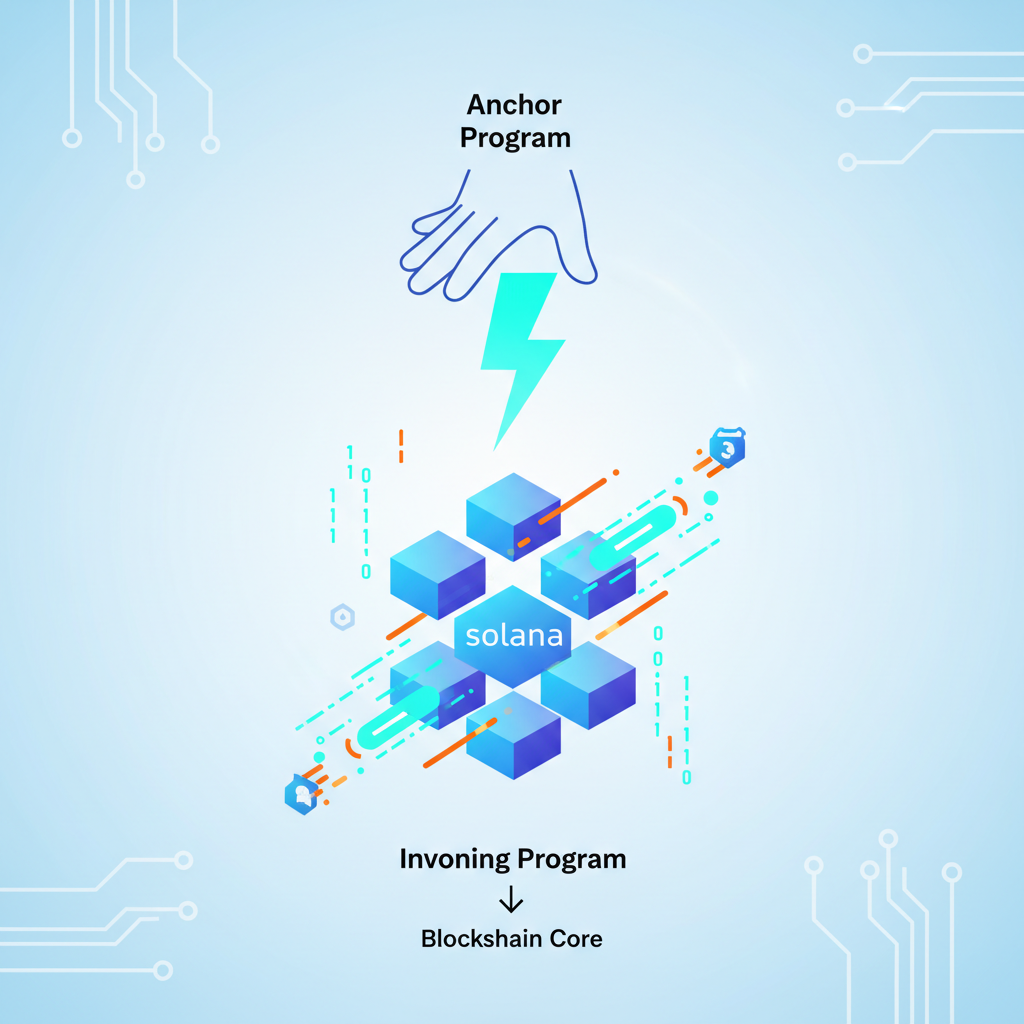
Shift to the check_policy_and_execute instruction, the protocol's heartbeat. It resets daily spent if over 24 hours elapsed, tallies against limits, then invokes inner programs like SPL transfers or Jupiter swaps. In Python, your FastAPI route deserializes agent intent: {"action": "swap", "from": "USDC", "to": "SOL", "amount": 10}. Anchor validates, signs via PDA authority, broadcasts. Success? Postgres logs the tx sig; failure prompts agent reflection loops.
Master Policy-Checked DeFi Swaps: Empower Your AI Agent on Solana


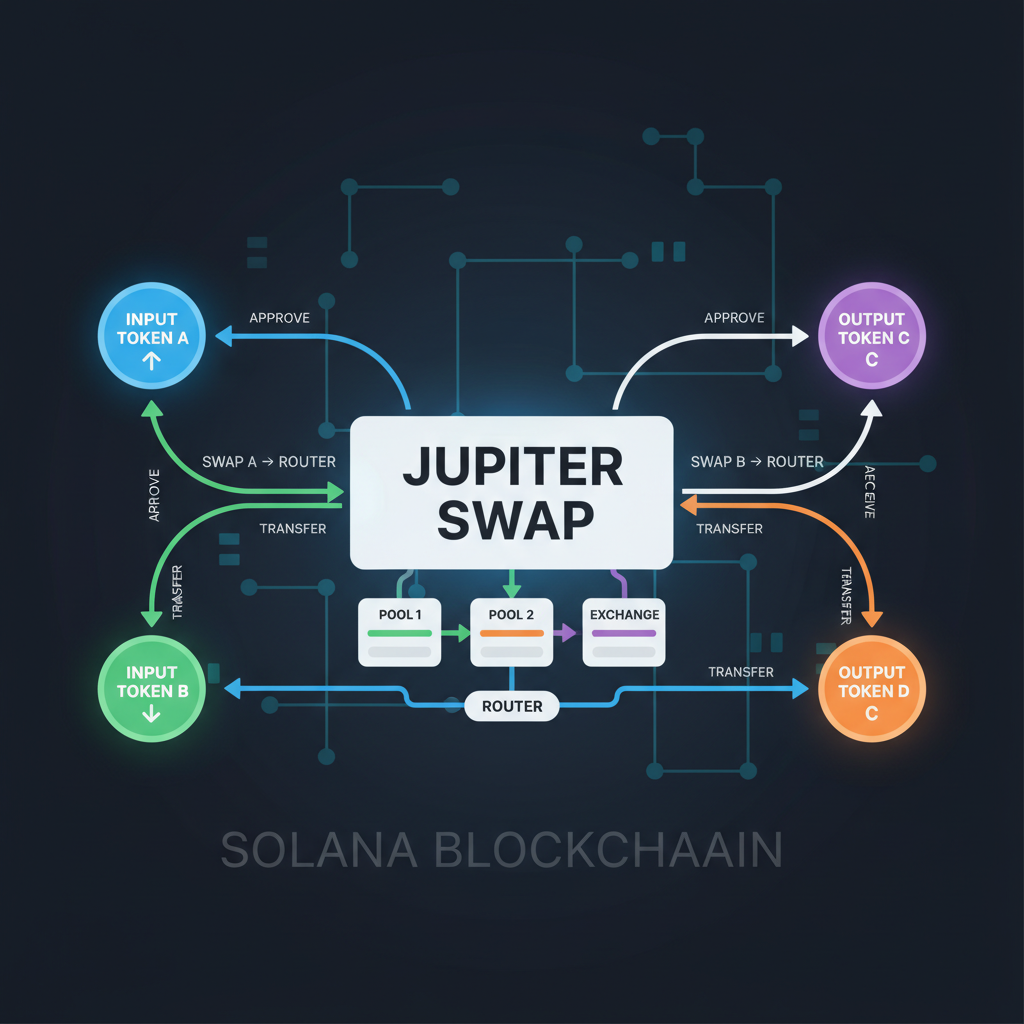

Consider a real-world flex: your agent sniffs yield on Kamino, swaps 1 SOL at $82.89 equivalent for points, all under 0.1 SOL tx cap. Redis caches recent txs for sub-second checks, scaling to thousands of agents without RPC choke. This isn't toy autonomy; it's the infrastructure for swarms dominating Solana's DeFi primitives amid SOL's steady climb from $79.67 lows.
Layer in observability. Emit events for every policy gate, queryable via Postgres or on-chain logs. Agents self-heal: if daily limit hits, pivot to simulations or alerts. Outstrips Fetch. ai uAgents or SendAI kits by embedding policies natively, no middleware hacks.
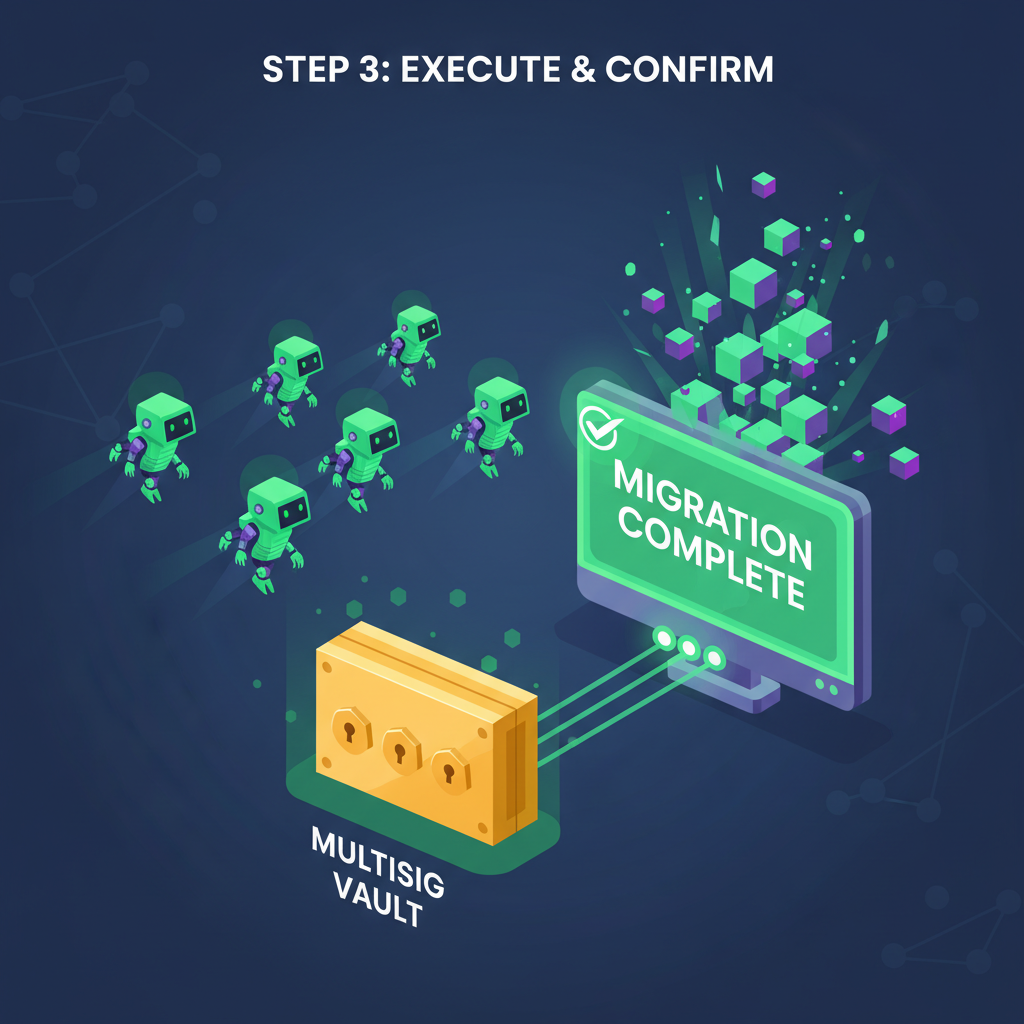
#. Migrate to mainnet post-devnet dry runs, funding via squad multisig.Scaling AI Agent Fleets: Orchestrate, Simulate, Deploy, Dominate
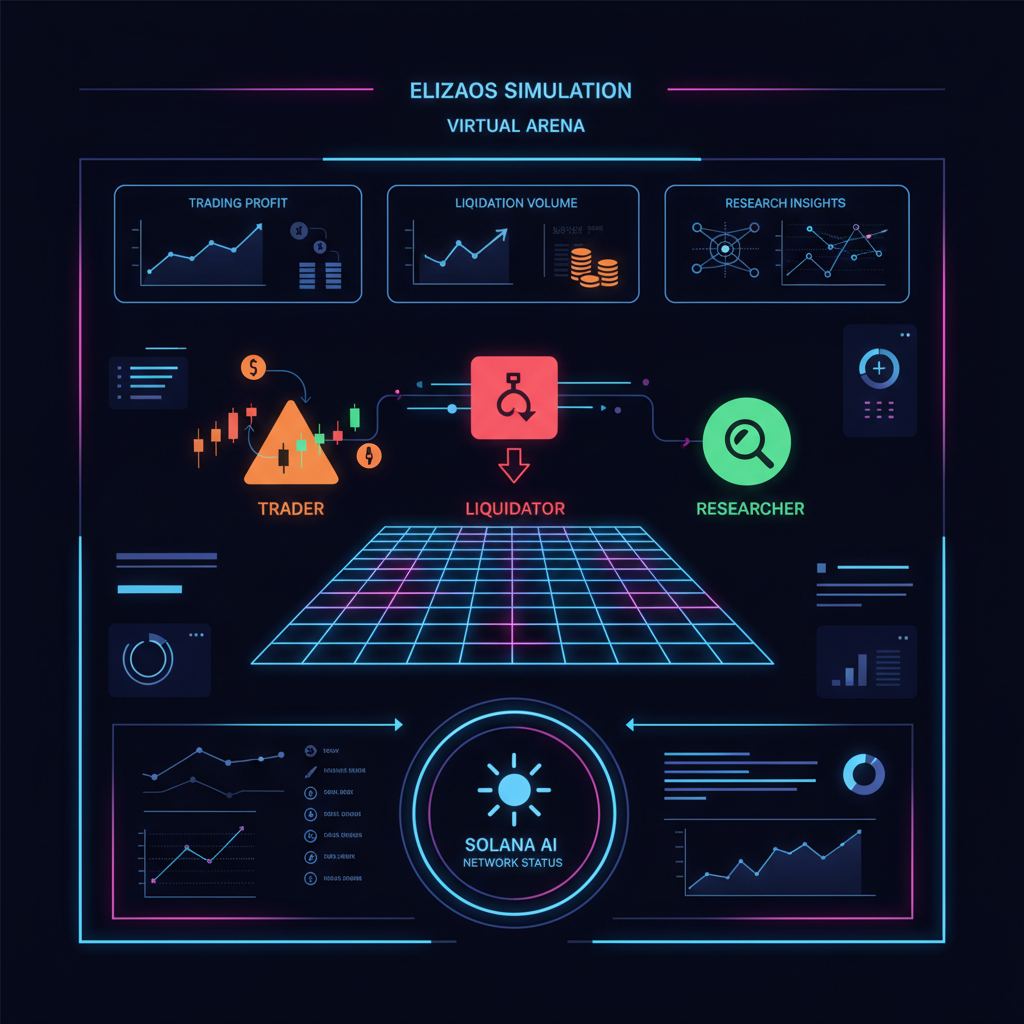
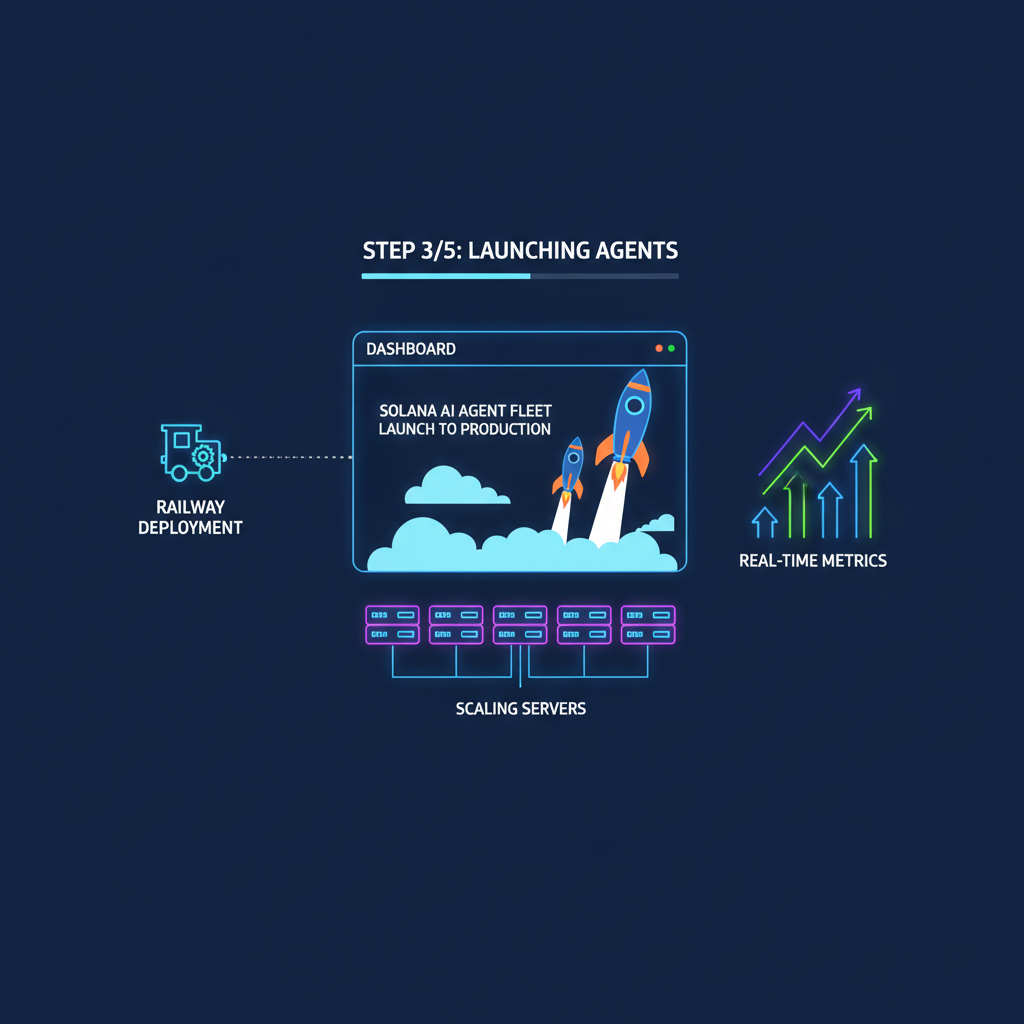
Forge the Master Vault & Spawn Persona PDAsEnvision a command center for your AI legion: Initialize the master vault PDA using AgentWallet's Anchor program. Spawn specialized child PDAs for trader (aggressive arbitrage), liquidator (ruthless deleveraging), and researcher (data-hungry analyst) personas. Set per-tx limits ($100) and daily caps ($1,000) to enforce ironclad governance, federating all under the master vault for unified oversight and atomic multi-agent executions.Simulate Squad Dynamics with ElizaOSBefore unleashing on-chain chaos, harness ElizaOS for hyper-realistic offline simulations. Integrate AgentWallet Kit to mimic Solana RPC calls, testing multi-agent coordination—traders spotting opportunities, liquidators pouncing, researchers feeding intel. Run 1,000 epochs to validate strategies, ensuring 99.9% uptime in simulated market volatility.Mirror Production with Docker ComposeCraft a battle-ready local fortress: Deploy Docker Compose stack with PostgreSQL for audit logs, Redis for state caching, and FastAPI services for wallet ops. Mirror prod exactly—expose RPC endpoints, inject DB credentials. Test fleet orchestration: Spawn 10 agents, execute 100 txs/min, confirming seamless PDA federation under master vault.Deploy to Railway: Prod IgnitionElevate to cloud sovereignty on Railway. Provision services, inject env vars: MAINNET_RPC (e.g., Helius), POSTGRES_URL, REDIS_URL, MASTER_VAULT_SEED. Auto-scale API for 1k RPS, enable squad monitoring dashboards. Trigger initial fleet spawn—watch PDAs bloom across personas, ready for live Solana skirmishes.Devnet Dry Runs: Stress-Test the LegionRigorous devnet baptism: Migrate fleet to devnet post-local sims. Execute 500 cross-agent txs—traders swapping at mock $82.89 SOL, liquidators clearing positions, researchers querying oracles. Audit logs via Postgres: Verify spending limits, no exploits. Achieve <50ms latency, priming for mainnet conquest.Mainnet Migration & Squad Multisig IgnitionAscend to mainnet immortality: Swap RPC to production (e.g., Helius mainnet-beta). Run final dry-run validations. Fund master vault via squad multisig—approve $10k SOL allocation at current $82.89/Binance-Peg SOL price (+1.05 24h). Unleash the fleet: Autonomous orchestration begins, scaling to infinity.Security hardens with rate limits on APIs, Postgres row-level policies, Redis TTLs. Anchor's CPI guards prevent reentrancy; audits via Colosseum templates. At SOL's $82.89 perch, high from $83.42 peaks, these fleets arbitrage globally, geopolitics mere noise to tireless executors.
AgentWallet vs Competitors: Key Feature Comparison
Feature AgentWallet Solana Agent Kit Helius/Turnkey ElizaOS + Solana Agent Kit PDA Policies Yes (per-tx & daily spending limits) ✅ Partial (toolkit-based) Policy-controlled wallets 🔐 Simulation-focused, no native PDA policies MCP Tools 27 AI-native tools via Model Context Protocol 🚀 Solana MCP server (basic tools) N/A Integration via Solana Agent Kit (limited) Deploy Ease Railway (Docker, one-click deploy) 🛤️ Custom setup & video walkthroughs Turnkey integration required Multi-agent framework setup (complex) Security (On-chain Limits) On-chain PDA limits & auditable 🔒 Keypair-based (less secure) Off-chain policy controls Escrow agents (not fully on-chain) Production tales emerge: hackathon winners scripted agents flipping NFTs under volatility caps, outperforming humans. GitHub forks integrate LangGraph for decision trees, pushing agentwallet protocol solana into wilds. Your build? Seed it local, iterate via MCP's 27 tools, unleash on devnet swaps. Watch SOL's ascent magnify gains as agents compound.
Autonomous AI wallet Solana isn't tomorrow's promise; it's deployable now, AgentWallet the forge. Forge yours, command the flows, as decentralized minds rewrite capital's rhythm.






No comments yet. Be the first to share your thoughts!