
Defining autonomous agents in 2026
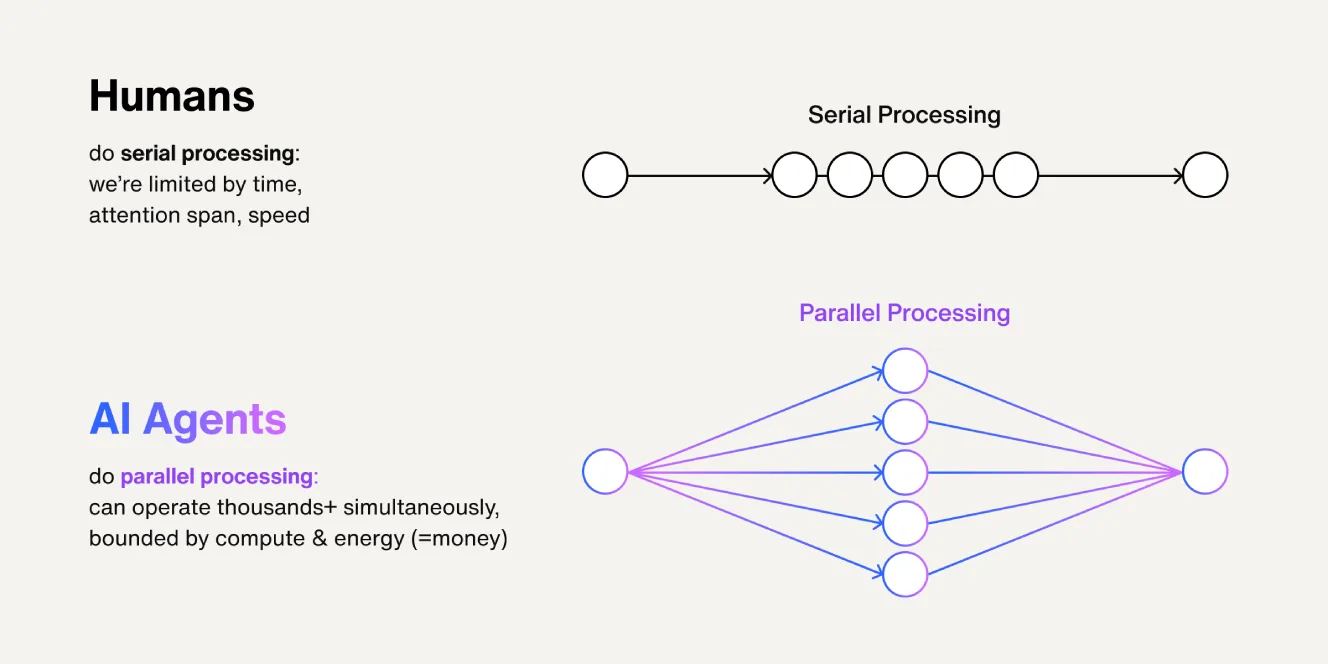
The shift from traditional chatbots to autonomous agents represents a fundamental change in how enterprise software operates. Chatbots are reactive tools that wait for human input to retrieve information or answer questions. Autonomous agents are proactive systems capable of planning, reasoning, and executing multi-step workflows without constant supervision. They do not just suggest actions; they perform them.
In 2026, the distinction is defined by execution capability. A chatbot might draft an email, but an autonomous agent can verify the recipient, check calendar availability, format the message, and send it. This transition from passive assistance to active execution changes the cost structure of AI implementation. You are no longer paying for a digital notepad; you are paying for a digital worker.
This capability introduces new variables into ROI calculations. The value of an autonomous agent is not measured in response time, but in completed transactions and workflow automation. Understanding this difference is critical before estimating implementation costs.
As CIO.com notes, the future workforce will not be driven by "super agents" that try to do everything, but by specialized agents designed to stay in their lanes and run specific workflows efficiently. This specialization is what makes the cost analysis for autonomous agents distinct from previous AI generations.
Calculating Total Cost of Ownership
Deploying autonomous AI agents requires a clear-eyed view of total cost of ownership (TCO). The financial picture extends far beyond software licensing, encompassing the infrastructure, integration, and ongoing human oversight needed to keep agents reliable and secure.
Direct Infrastructure and Licensing Costs
The baseline expense involves securing the computational power and model access required for agent operations. This includes API usage fees for large language models, vector database storage for memory, and the cloud infrastructure hosting the agent orchestration layer. For high-frequency tasks, these variable costs can scale quickly, making usage-based pricing models a significant line item.
Integration and Maintenance
Autonomous agents do not operate in a vacuum; they must connect to existing enterprise systems like CRMs, ERPs, and internal knowledge bases. Initial integration involves custom API development, data mapping, and security auditing. Maintenance costs arise from the need to update these connections as vendor APIs change and to refine agent prompts as business processes evolve. Without dedicated engineering time, agents drift from accuracy.
Human Oversight and Operational Labor
Even fully autonomous agents require human supervision. This "human-in-the-loop" cost covers monitoring agent outputs, handling exceptions that fall outside predefined parameters, and performing regular audits for compliance and safety. The goal is to reduce labor, not eliminate it entirely; the TCO model must account for the specialized skills needed to manage these systems effectively.
Estimating Your Specific TCO
Every organization’s deployment varies based on agent complexity, volume, and existing technical debt. Use the calculator below to estimate your annual TCO based on the number of agents, their complexity tier, and the hours of human oversight required.
Workflow integration models compared
Choosing between single-agent and multi-agent architectures is primarily a decision about cost structure and complexity management. Single-agent systems operate as specialized tools, handling one defined task with predictable resource usage. Multi-agent systems coordinate multiple specialized agents to solve complex, multi-step workflows, introducing higher overhead but greater autonomy.
The choice depends on your operational scale. Single agents are easier to deploy and monitor, making them suitable for focused tasks like document processing or customer support triage. Multi-agent systems require more sophisticated orchestration and higher compute costs, but they can handle end-to-end processes without human intervention.

The following table compares the core differences between these two deployment models. Understanding these distinctions helps in estimating the total cost of ownership for your specific use case.
| Feature | Single-Agent | Multi-Agent |
|---|---|---|
| Deployment Complexity | Low – one model, one prompt | High – orchestration layer required |
| Compute Cost | Predictable, per-task | Variable, scales with steps |
| Error Recovery | Simple fallback logic | Dynamic re-routing between agents |
| Best For | Repetitive, isolated tasks | End-to-end business workflows |
To help you estimate the financial impact of each model, use the calculator below. It factors in the number of tasks, average cost per task, and the additional orchestration overhead typical of multi-agent systems.
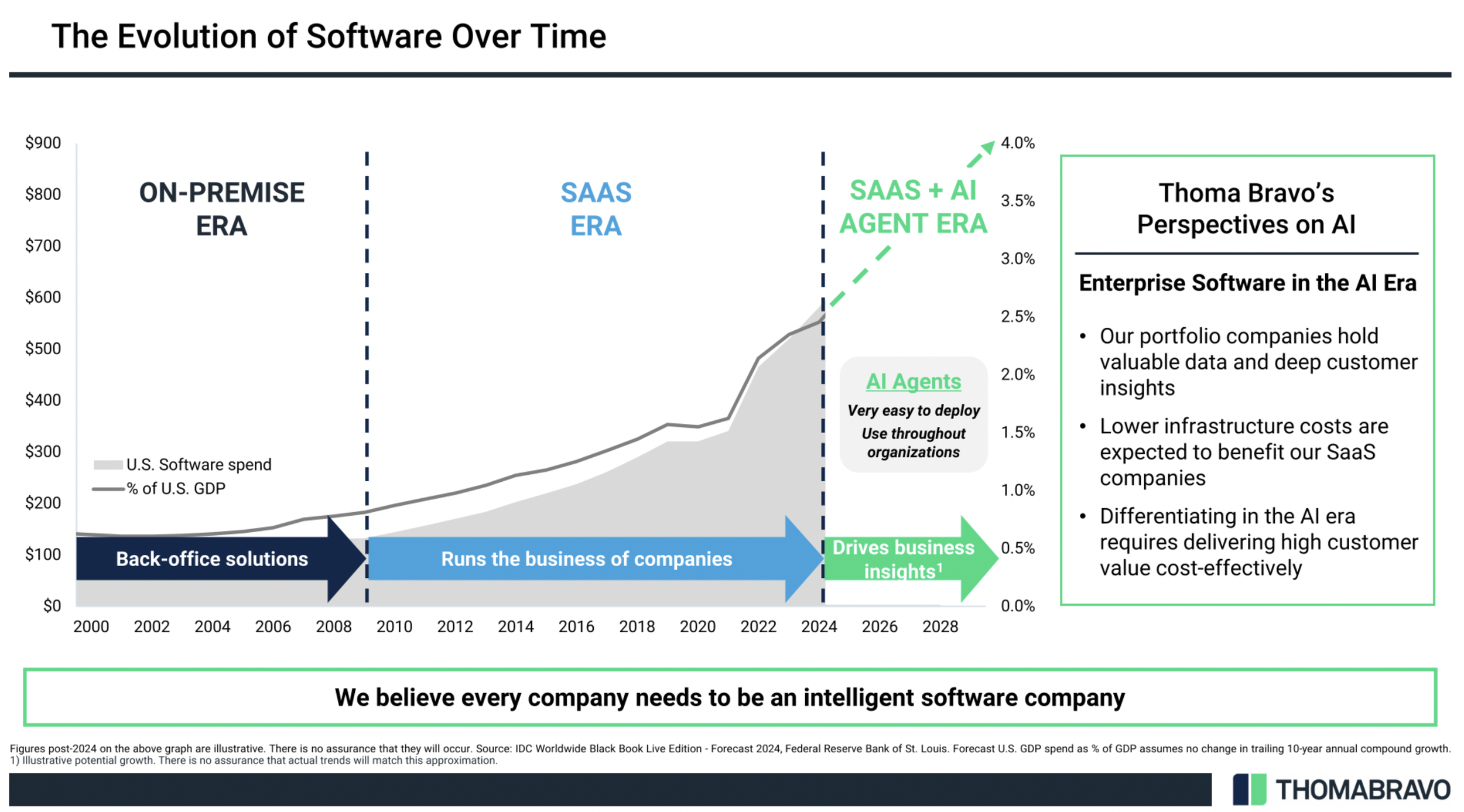
As industry projections suggest, 40% of business applications will feature autonomous agents by the end of 2026, fundamentally changing how workflows are designed. The key is to start with the simplest architecture that solves your problem, then scale up only when the complexity demands it. Avoid the trap of building a multi-agent system for a task that a single agent could handle efficiently.
Measuring ROI and efficiency gains
Quantifying the return on autonomous AI agents requires moving beyond abstract efficiency claims to concrete financial metrics. For enterprise decision-makers, the value proposition rests on two primary levers: the reduction of operational costs through labor displacement and the mitigation of financial risk via error reduction. Understanding these variables allows organizations to build a defensible business case for implementation.
The most direct cost savings come from time savings. Autonomous agents handle repetitive, rule-based tasks that previously required significant human hours. By automating data entry, initial document review, or routine customer queries, organizations can redirect skilled personnel toward higher-value strategic work. The financial impact is calculated by multiplying the hours saved by the fully loaded hourly cost of the employee, including benefits and overhead.
Error reduction represents the second pillar of ROI. In legal and regulatory contexts, a single oversight in compliance or contract review can result in significant fines or lost revenue. Autonomous agents operate with consistent precision, drastically lowering the probability of human error. The cost of these errors—ranging from minor rework to major regulatory penalties—provides a clear baseline for calculating the value of automation. Reducing error rates directly protects the bottom line and reduces the need for costly corrective measures.
To estimate your specific potential savings, use the calculator below. It models the annual return based on your current operational volume, error costs, and labor rates.
Implementation checklist for 2026
Launching autonomous AI agents requires moving beyond pilot projects to structured, auditable deployment. Use this checklist to verify readiness before committing capital, ensuring your infrastructure can handle the operational load.
Define the exact scope of autonomy. Identify which decision nodes require human approval and which can be fully automated. Clear boundaries prevent scope creep and reduce liability risks during the initial rollout phase.
Conduct a rigorous security audit focused on data privacy and access controls. Ensure the agent’s API integrations comply with relevant regulatory standards, such as GDPR or HIPAA, before granting it access to production systems.
Set up real-time monitoring for cost, latency, and output accuracy. Define clear failure thresholds that trigger automatic rollback or human intervention. Without continuous oversight, small errors can compound quickly in autonomous workflows.
Estimate the full financial impact, including compute costs, maintenance, and potential error correction. Use the calculator below to model different deployment scales and determine the break-even point for your specific use case.
Common questions on agent costs
Autonomous AI agents have shifted from experimental prototypes to core enterprise infrastructure, automating workflows that previously required entire teams. This transition brings specific financial considerations that go beyond simple software licensing.
How are autonomous agents billed?
Most providers use a token-based billing model, charging per input and output token processed. Costs scale with the complexity of the task and the frequency of agent interactions. Unlike fixed SaaS fees, usage-based pricing aligns costs directly with the value delivered and the volume of automated work completed.
What are the hidden costs of deployment?
Beyond API fees, enterprises must budget for infrastructure, integration, and security. These include data storage, monitoring tools, and compliance audits. Security liability is a significant factor, as agents operating with broader permissions require robust oversight to prevent errors or data breaches. Ignoring these operational expenses often leads to underestimated total cost of ownership.
How do I calculate ROI for AI agents?
ROI depends on the hours of human labor displaced and the accuracy of the agent's output. Use the calculator below to estimate potential savings based on your current operational volume and average labor costs.
No comments yet. Be the first to share your thoughts!