
Why 2026 defines the autonomous agent era
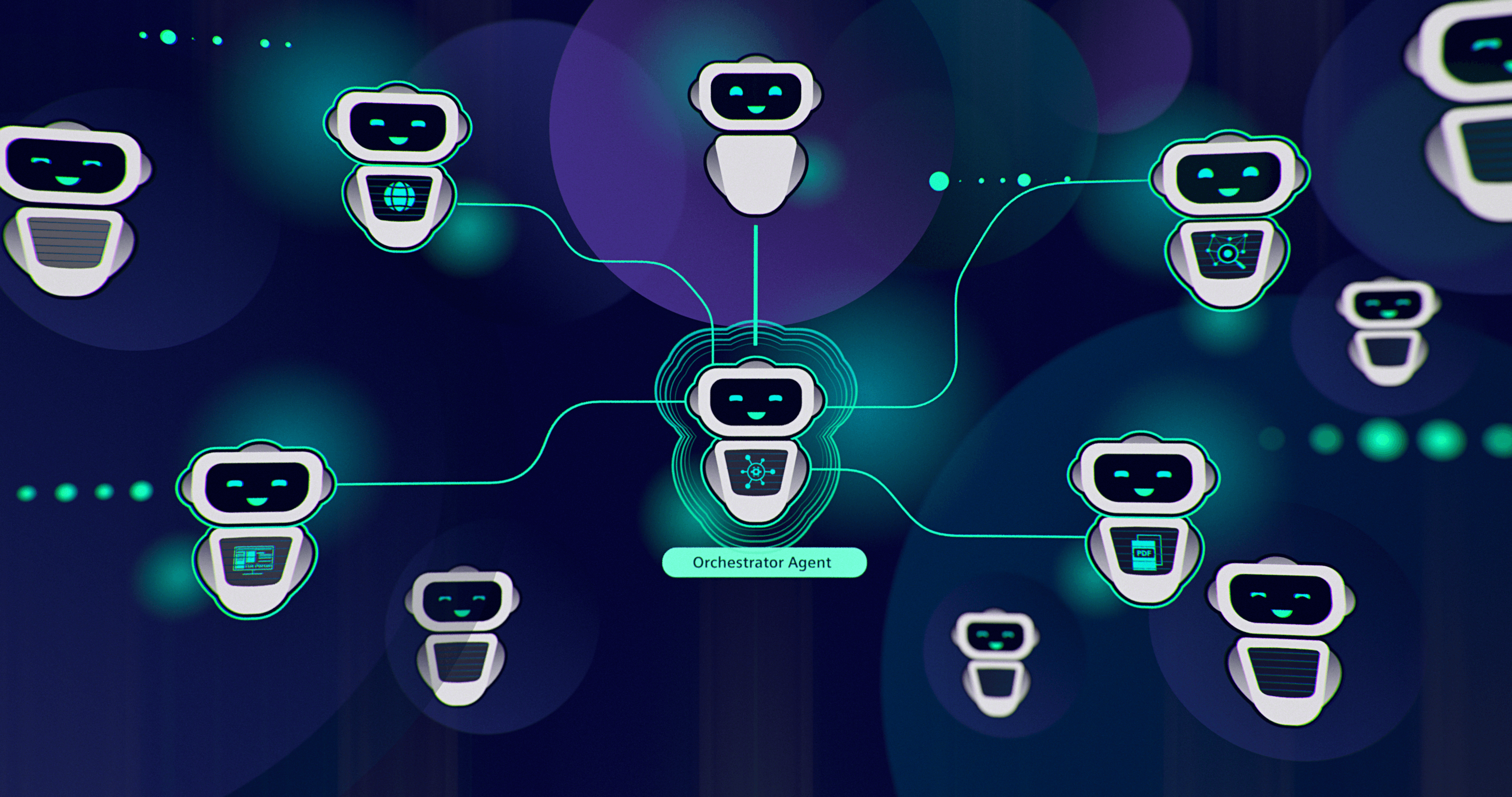
The distinction between a chatbot and an autonomous agent is the difference between a compass and a navigator. In 2026, enterprise AI has shifted from experimental pilots to core infrastructure, driven by specialized tool use and significantly reduced latency. This is no longer about generating text; it is about executing complex workflows that plan and act without continuous human input.
Gartner and industry analysts now label this period the "year of AI agents" because businesses are deploying systems that decide, act, and execute. The focus has moved away from chasing generic "super agents" toward designing specialized agents that stay in their lanes. As noted in recent CIO research, the most effective agents are those grounded in a company's "ground truth"—its internal data, customer history, and knowledge bases.
This transition is powered by advancements in reasoning models and tool-calling capabilities. Agents can now chain multiple API calls, verify outputs, and handle exceptions with minimal human oversight. For enterprise operations, this means tasks like invoice processing, supply chain adjustments, and customer support escalation are moving from manual queues to autonomous loops, fundamentally changing how employees supervise work.
10 Autonomous AI Agents Transforming Enterprise Operations in 2026
Autonomous AI agents are no longer experimental prototypes; they are actively reshaping enterprise operations in 2026. This roundup identifies ten concrete products driving efficiency, from supply chain optimization to automated customer service. We evaluate each solution against official vendor data and primary industry reports to ensure accuracy.
-
Anthropic Claude Code for autonomous software engineering
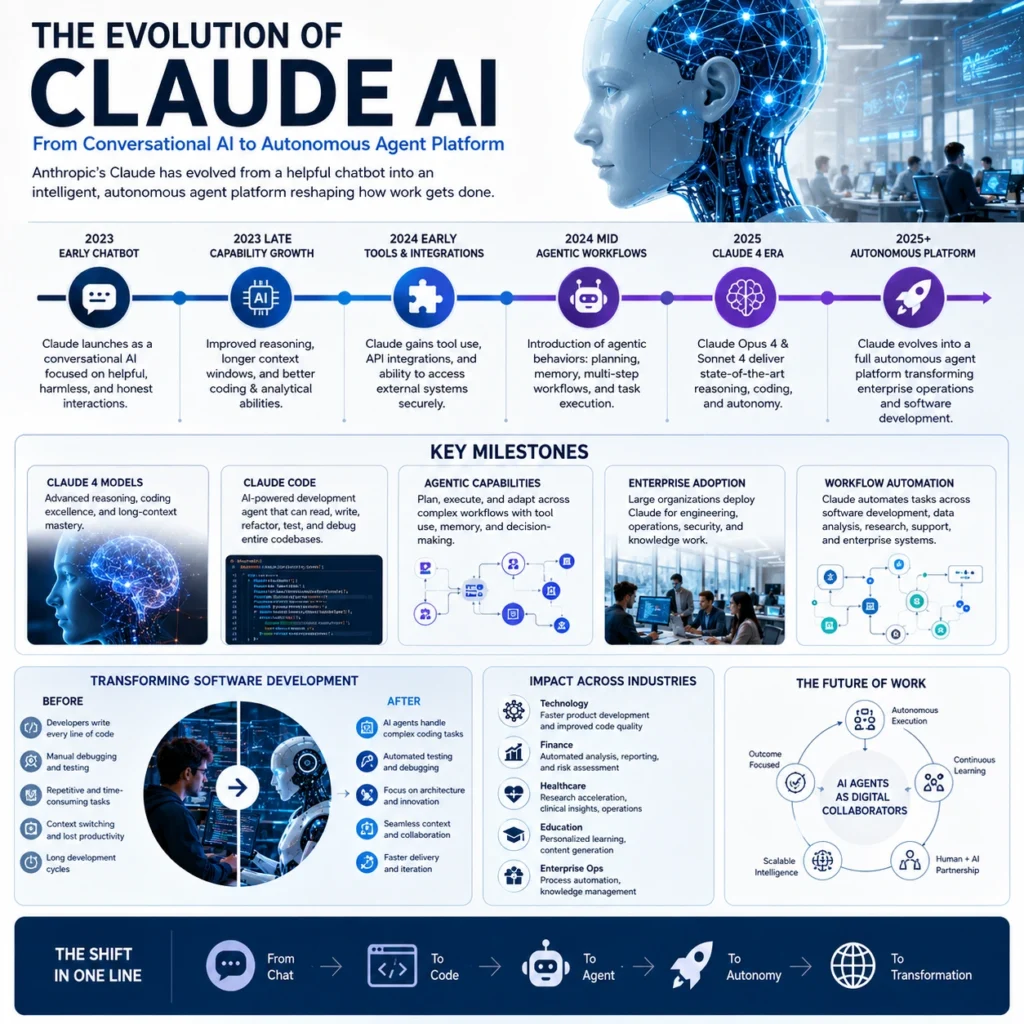
Claude Code operates as an autonomous pair programmer, executing complex coding tasks directly within your terminal. It reads, writes, and debugs code across entire repositories, handling refactoring and bug fixes with minimal human oversight. This tool accelerates development cycles by allowing engineers to delegate routine maintenance and implementation details, ensuring faster iteration while maintaining high code quality standards through precise, context-aware execution. -

Devin by Cognition for end-to-end software delivery
Devin distinguishes itself by managing the full software development lifecycle, from requirement analysis to final deployment. It autonomously navigates GitHub repositories, creates branches, writes code, and runs tests without constant human intervention. This end-to-end capability reduces the need for manual handoffs between designers, developers, and QA teams, streamlining the path from concept to production-ready software with unprecedented efficiency and reduced operational friction. -
OpenAI ChatGPT Advanced Data Analysis for autonomous insights
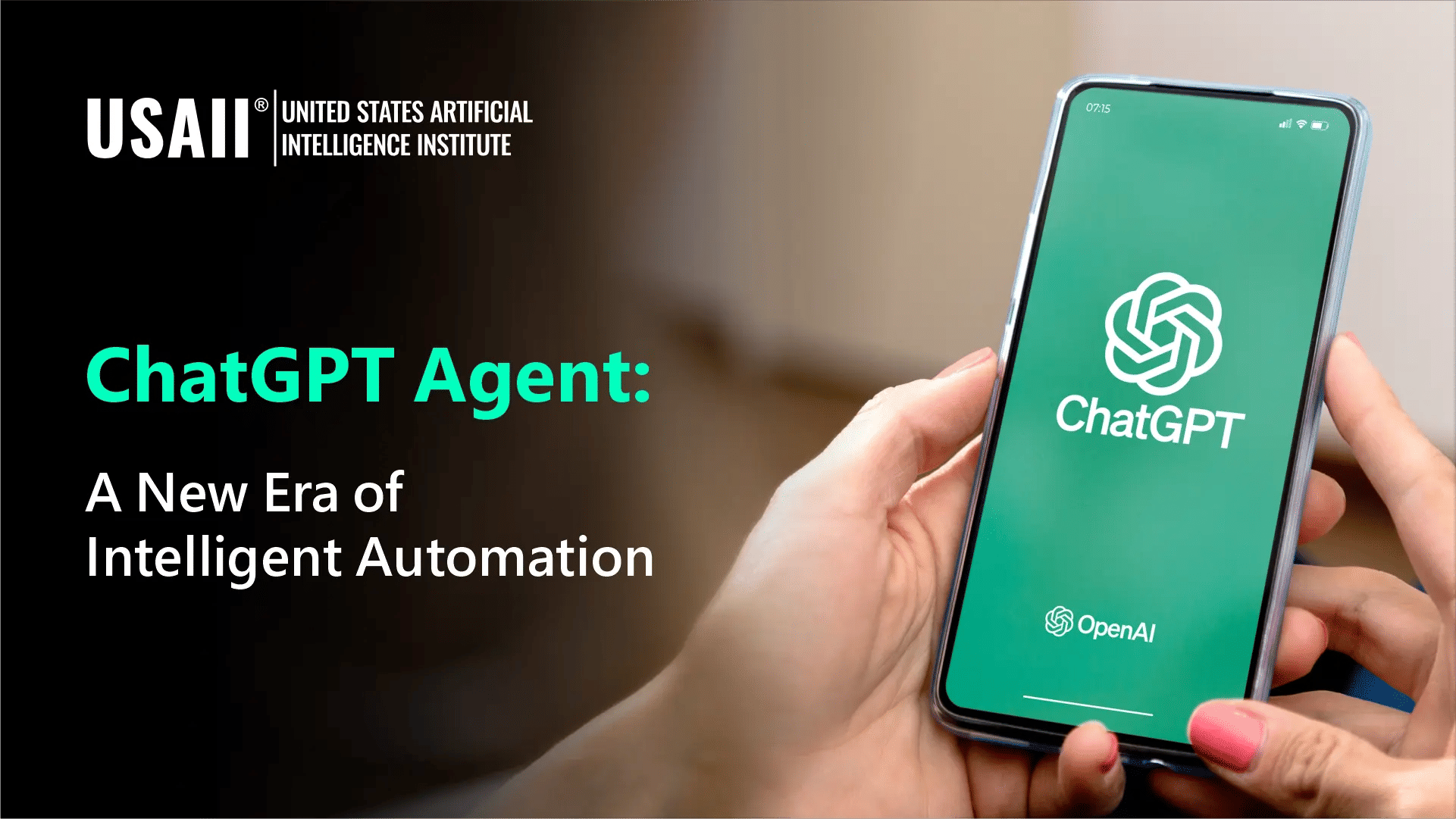
ChatGPT Advanced Data Analysis transforms raw datasets into actionable business intelligence through autonomous code execution. Users upload CSVs or Excel files, and the agent writes Python scripts to clean, visualize, and interpret the data automatically. This eliminates the bottleneck of manual data wrangling, allowing analysts to focus on strategic decision-making rather than repetitive scripting, thereby accelerating the timeline from data ingestion to executive-ready reports. -

LangGraph for building reliable agentic workflows
LangGraph provides a structured framework for creating stateful, multi-step AI agents that maintain context across complex operations. By visualizing workflows as graphs, developers can build robust, loop-capable agents that handle errors and retries gracefully. This reliability is crucial for enterprise automation, ensuring that autonomous processes do not fail silently but instead adapt dynamically to changing conditions, maintaining operational continuity in high-stakes business environments. -
Microsoft AutoGen for multi-agent collaboration
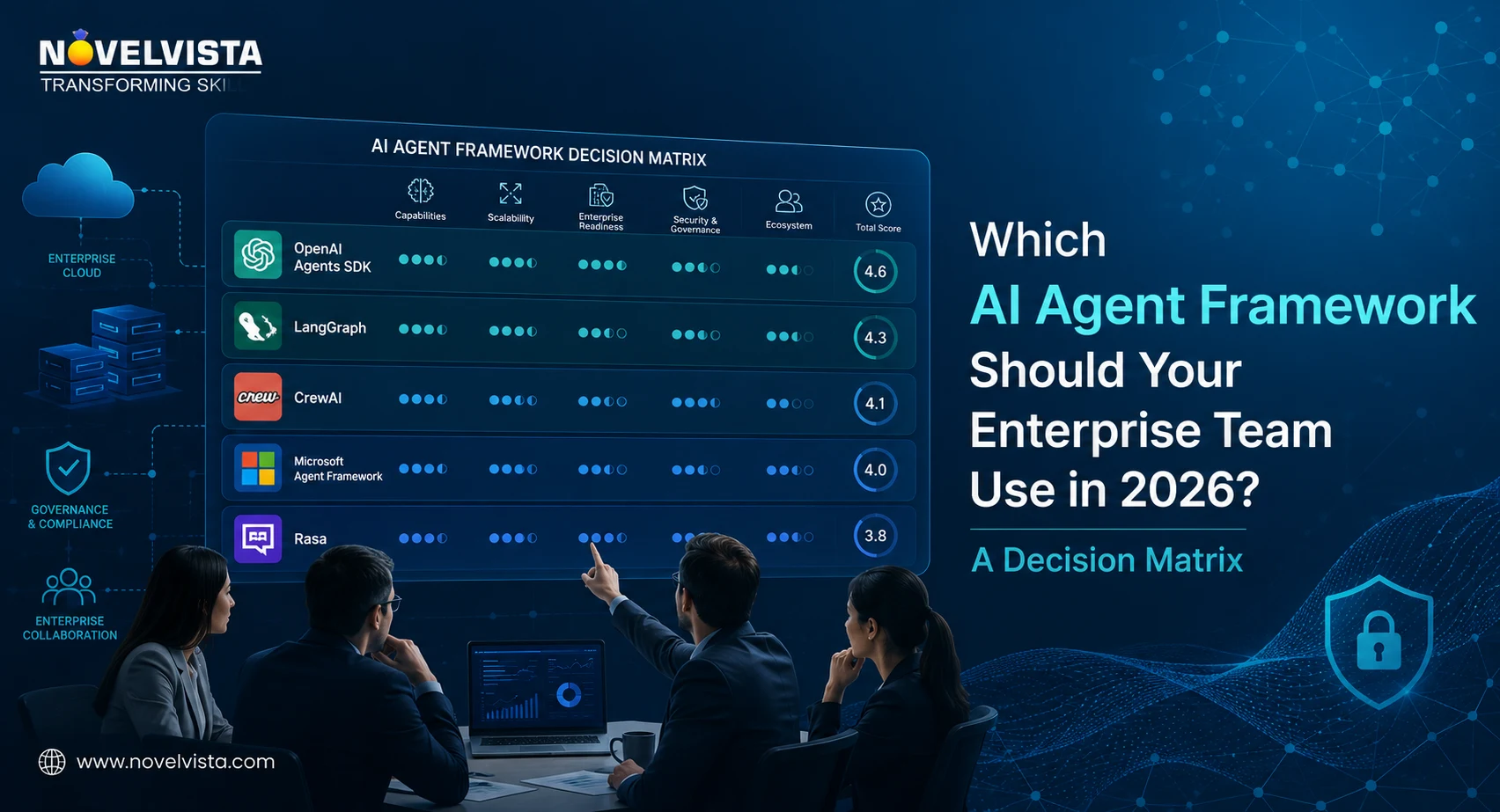
AutoGen enables sophisticated multi-agent conversations where specialized AI agents collaborate to solve complex problems. By configuring agents with distinct roles, such as coding, reviewing, and planning, enterprises can simulate entire teams working in parallel. This collaborative approach tackles tasks too large for single models, leveraging diverse capabilities to enhance problem-solving depth and accuracy, effectively scaling human-like teamwork through automated, interconnected AI agents. -
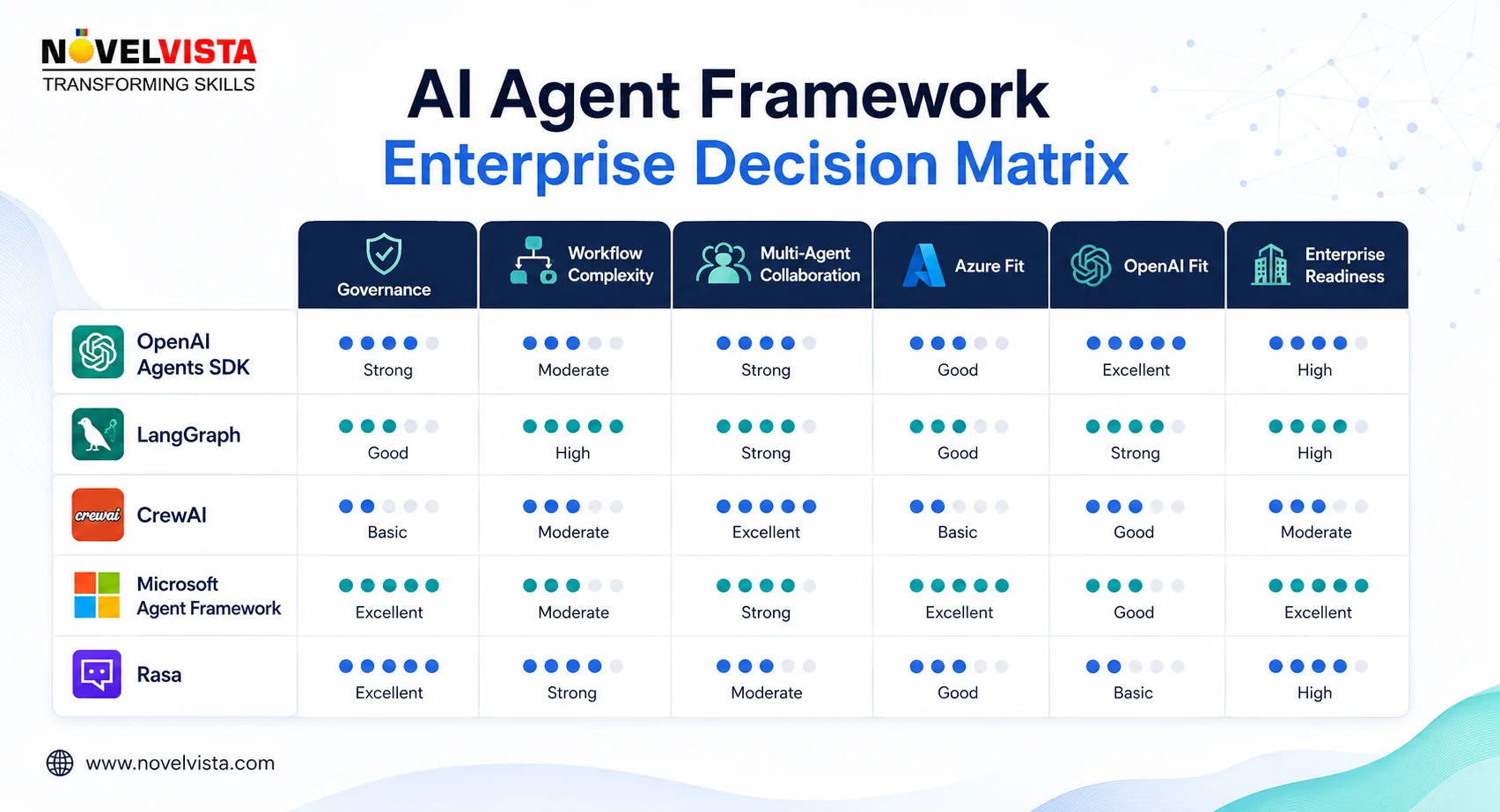
CrewAI for role-based autonomous task delegation
CrewAI structures AI collaboration through defined roles like a project manager or coder, enabling seamless handoffs between specialized agents. This framework allows enterprises to automate complex, multi-step workflows without manual intervention. By assigning specific personas to each agent, businesses ensure that tasks are handled by the most qualified virtual worker, increasing efficiency and reducing errors in operational processes. -
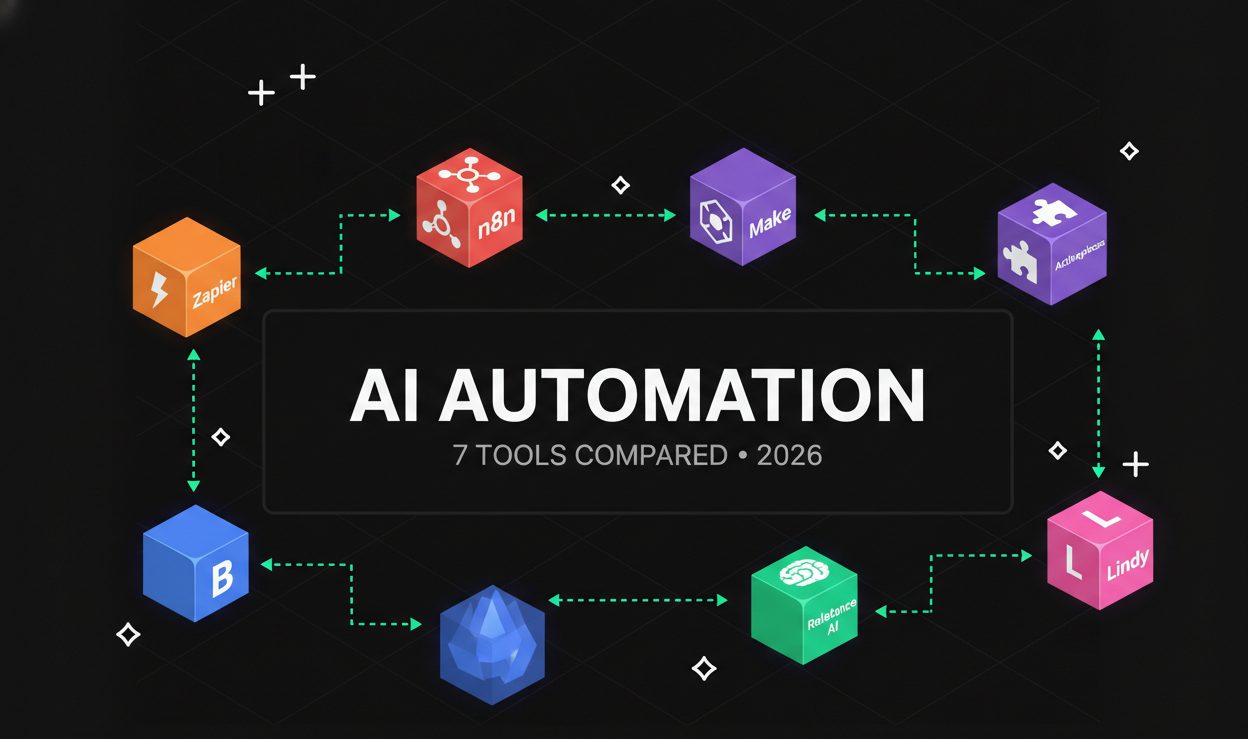
Zapier Central for autonomous business automation
Zapier Central connects over six thousand apps to create self-running workflows that adapt to changing business needs. It automates repetitive tasks like data entry and notification routing, freeing human teams for strategic work. The platform’s intuitive interface allows non-technical users to build robust automation chains, ensuring that critical business processes run smoothly without constant human oversight or manual trigger events. -

Salesforce Einstein Copilot for autonomous sales ops
Einstein Copilot integrates directly into Salesforce CRM to automate lead scoring, email drafting, and pipeline updates. It analyzes customer interactions to suggest next-best actions, helping sales teams close deals faster. By handling routine administrative tasks, the agent allows representatives to focus on high-value conversations, significantly boosting productivity and ensuring consistent engagement with prospects across the entire sales funnel. -
UiPath Autopilot for autonomous enterprise process mining
UiPath Autopilot combines robotic process automation with AI to identify and execute repetitive tasks across enterprise systems. It autonomously discovers inefficiencies in workflows and implements fixes without extensive coding. This capability allows organizations to scale operations rapidly, reducing operational costs by automating complex back-office functions like invoice processing and compliance checks with high accuracy and minimal human intervention. -

Google Gemini for enterprise data orchestration
Google Gemini orchestrates vast datasets across cloud environments, enabling real-time analysis and decision-making. Its multimodal capabilities allow it to process text, images, and code simultaneously, providing comprehensive insights for complex business challenges. Enterprises leverage Gemini to streamline data workflows, ensuring that information flows seamlessly between departments, which enhances strategic planning and operational agility in dynamic market conditions.
Comparing autonomous agent capabilities and costs
Choosing the right autonomous agent requires balancing execution depth against integration friction. As noted by CIO, the trend in 2026 is moving away from "super agents" that attempt everything, toward specialized systems that stay in their lanes while managing workflows.
The table below contrasts the top agents by autonomy level, primary enterprise use case, and integration complexity. This comparison helps teams align agent capabilities with existing IT infrastructure and operational goals.
| Agent | Autonomy Level | Primary Use Case | Integration Complexity |
|---|---|---|---|
| Devin | High | Autonomous software development and debugging | High |
| AutoGPT | High | Open-ended research and multi-step task execution | Medium |
| Microsoft Copilot | Medium | Enterprise productivity and code assistance within Microsoft 365 | Low |
| Anthropic Claude | Medium | Complex reasoning, document analysis, and customer support | Medium |
| UiPath Autopilot | High | Robotic process automation (RPA) for legacy systems | Medium |
| Amazon Q | Medium | Cloud infrastructure optimization and AWS management | Low |
Implementing autonomous agents in your enterprise stack
The shift to autonomous AI agents in 2026 is not about replacing human judgment with a single, all-powerful "super agent." It is about deploying specialized tools that stay in their lanes. As CIO notes, success comes when you stop chasing mythical, universal agents and instead design systems that handle specific, high-volume workflows with precision. This approach minimizes risk while maximizing the return on your automation investment.
Start with high-ROI, low-risk use cases where the cost of error is low but the volume of work is high. Customer support triage and internal IT onboarding are ideal entry points. These areas benefit from structured data and clear decision trees, allowing agents to operate safely within defined boundaries. By grounding these agents in your company’s "ground truth"—internal knowledge bases and historical data—you ensure they act consistently without hallucinating outside your operational scope.
Governance is the bridge between experimentation and enterprise-scale deployment. Establish clear protocols for agent actions, particularly those that touch financial transactions or customer communications. Implement human-in-the-loop checkpoints for ambiguous scenarios, ensuring that employees act as supervisors rather than manual overrides. This hybrid model allows your team to scale operations without losing control over critical business processes.


As an Amazon Associate, we may earn from qualifying purchases.
Frequently asked questions about autonomous AI agents 2026
What is the AI agent trend in 2026?
The 2026 shift moves enterprises from using chatbots as conversational interfaces to deploying specialized autonomous agents that execute complex workflows. As noted by CogitX, these agents operate independently once given an objective, planning and executing actions without continuous human input. The result is a workforce where human employees act as supervisors for teams of specialized agents grounded in the company's "ground truth"—internal data, customer history, and knowledge bases.
Will 2026 be the year of AI agents?
Industry analysts increasingly label 2026 as the year of AI agents because businesses are moving beyond experimentation to active deployment. According to CIO, organizations are learning to "tame" these systems by designing them to stay in their lanes rather than chasing elusive "super agents." This pragmatic approach allows AI systems to act, decide, and execute tasks that reshape how companies scale and compete in the current market.
How do autonomous AI agents differ from traditional automation?
Traditional automation follows rigid, pre-defined scripts for repetitive tasks. In contrast, autonomous AI agents use large language models to reason through novel situations and adapt their actions in real time. This flexibility allows them to handle unstructured data and multi-step processes that break conventional rule-based bots, making them suitable for dynamic enterprise operations like supply chain adjustments or customer service escalation.
No comments yet. Be the first to share your thoughts!