ERC-4337 Non-Custodial Wallets for AI Agents: Secure On-Chain Spending Controls

Picture this: AI agents zipping through DeFi protocols, executing trades, and managing NFTs without a human babysitter, all locked down by unbreakable on-chain rules. That’s the ERC-4337 AI agent wallets revolution in action. Forget handing over private keys like candy to rogue bots; these non-custodial wallets for AI agents flip the script with smart contract muscle. Ethereum’s account abstraction upgrade lets agents run wild within razor-sharp boundaries, slashing risks while unleashing autonomous firepower. As a trader who’s danced with volatility for years, I say this is where fortune favors the bold.


Traditional wallets? They’re relics in this game. Give an AI full key access, and you’re begging for exploits – one glitchy prompt, and poof, funds vanish. ERC-4337 smashes that nightmare by turning Externally Owned Accounts (EOAs) into programmable smart accounts. No consensus changes needed; bundlers and entry points handle the heavy lifting. Agents now validate transactions via custom logic: spend caps, allowlisted contracts, time-bound sessions. It’s autonomous AI DeFi wallets done right, with security baked into the code.
Account Abstraction Unleashes AI’s On-Chain Potential
ERC-4337 hit in 2023, but by 2026, it’s the backbone of agent infrastructure. GitHub’s AI Agents Hub guide nails it: key management and security patterns tailored for Ethereum’s edge. Reddit threads buzz about policy-governed smart wallets ditching unrestricted keys for on-chain wallet rules AI agents crave. YouTube deep dives from Dar Blockchain break down smart contract execution, proving agents aren’t just concepts – they’re live on mainnet.
ERC-4337 Powers AI Agents!
-
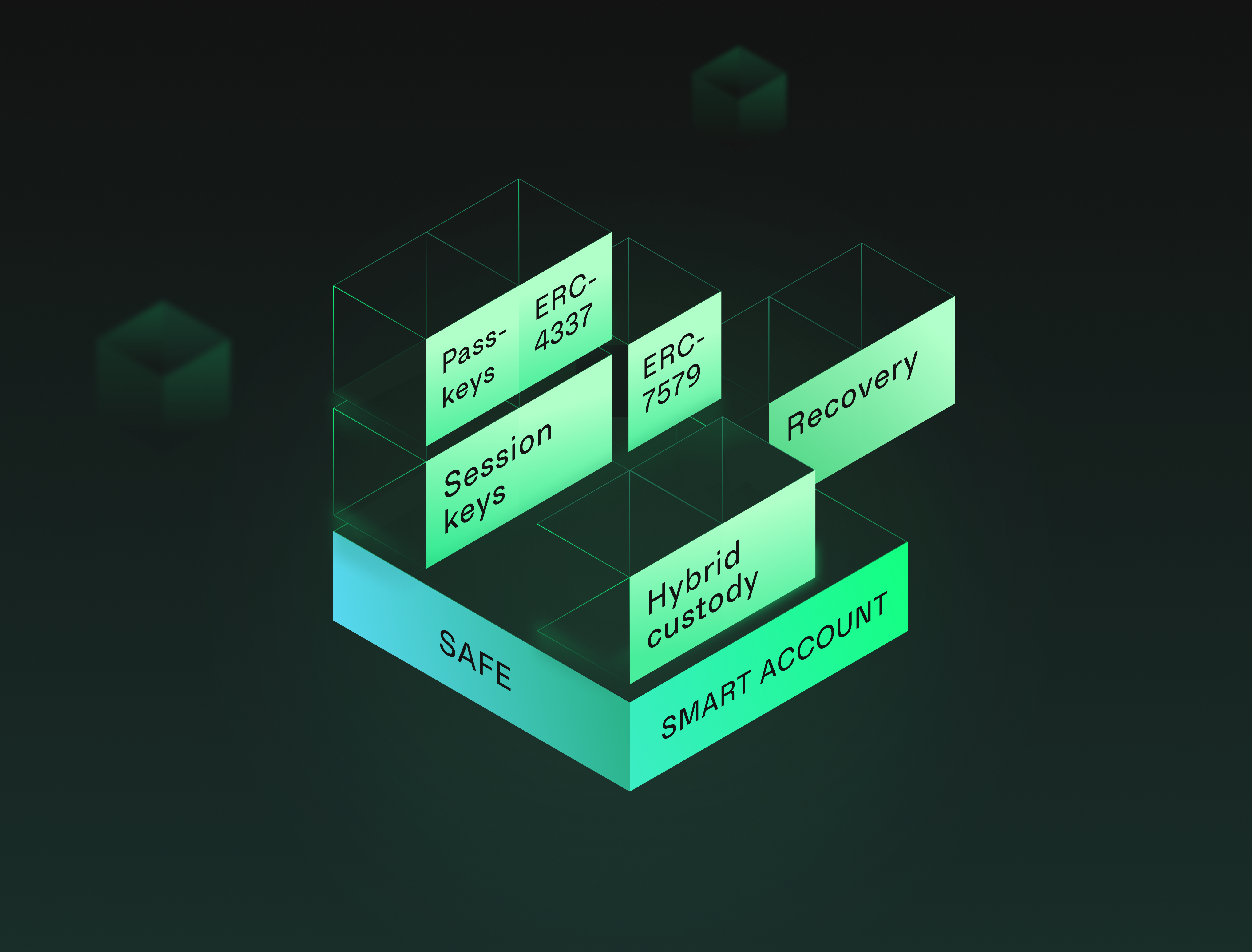
Session Keys for scoped access: Temporary signing with constraints on contracts, functions, spending limits, and expiry timestamps. AgentBets.ai
-

Paymasters for gasless ops: Smart contracts sponsoring gas or accepting ERC-20 payments for seamless AI transactions. Alchemy
-

Programmable Validation for spend limits: User-defined policies, allowlists, and controls before on-chain execution. Echo Protocol
-
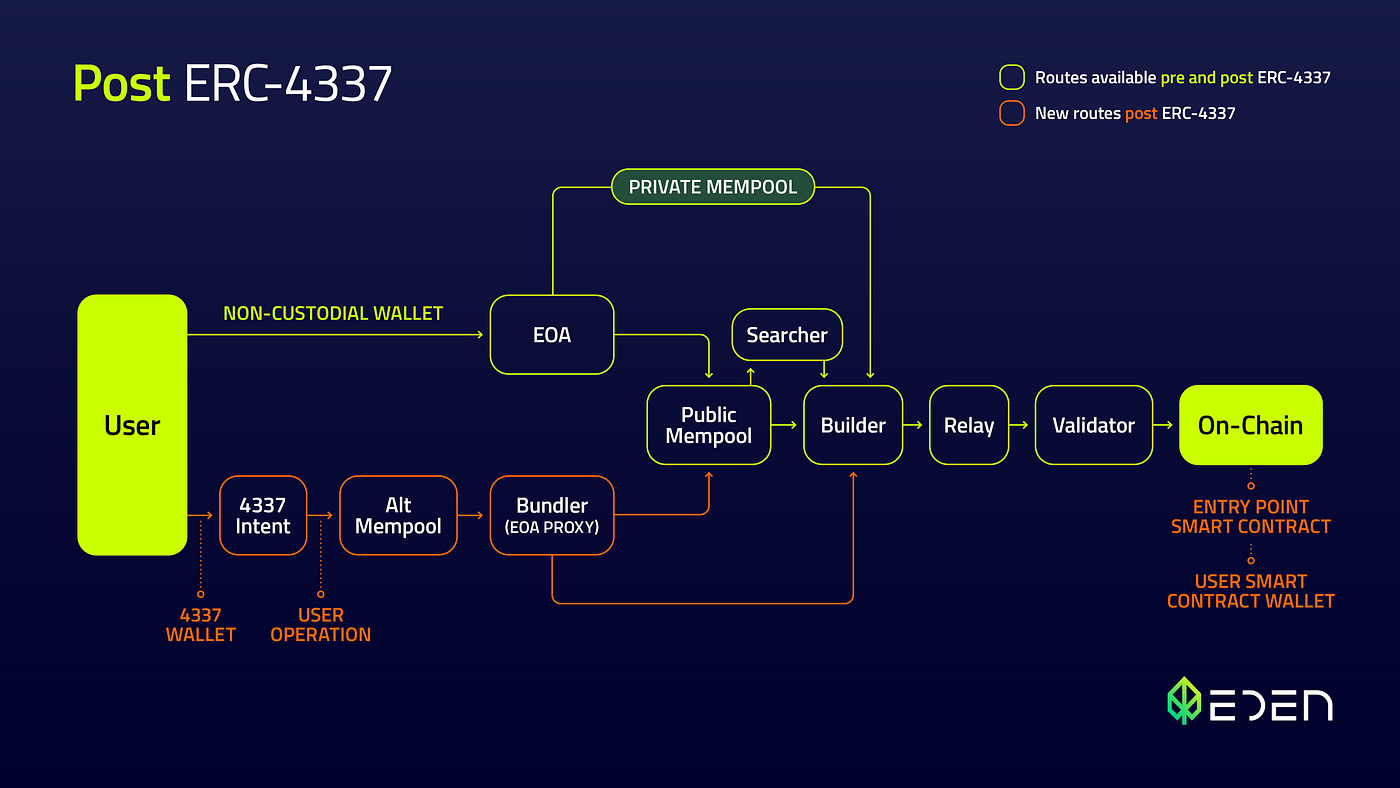
Bundler Efficiency for batch txs: Bundle multiple operations into one UserOp for optimized AI agent execution.
-

Audit Trails for compliance: Comprehensive logs ensuring secure, traceable AI on-chain spending. Openfort
Session keys are my favorite hack. They grant temporary powers – say, $500 daily DeFi spends or NFT flips on specific collections – expiring like clockwork. Compromised? Damage stays minimal. AgentBets. ai drills this home: hard-coded constraints on contracts, functions, and timestamps keep chaos at bay.
Policy Engines: Echo Protocol and Openfort Lead the Charge
Dive deeper, and projects like Echo Protocol shine. Their modular setup – Policy Store, Authorization Network, On-chain Verifier – vets every agent intent against your rules before execution. Want multi-sig for big moves? Daily budgets? It’s all there, non-custodial and bulletproof. Openfort piles on with sub-200ms signing, spend limits, and allowlists, turning agents into compliant trading machines.
AgentPMT hammers the point: wallets as policy enforcers. Per-tx limits, approvals, the works. Blocto jumped in with full ERC-4337 compatibility, smoothing UX for Ethereum masses. Alchemy’s paymasters sweeten it, sponsoring gas or taking ERC-20 payments, so agents glide without friction.
From Micropayments to DeFi Domination: Real Adoption Ignites
Numbers don’t lie: AI agents cranked 115M and crypto micropayments early 2026, per Aurpay. Autonomous commerce demands these non-custodial wallets AI agents thrive on. Brian Armstrong nailed it – banks won’t touch agent accounts, but crypto? Wide open. ClawVault’s middleware simplifies approvals and virtual cards, while Yahoo flags legal risks racing ahead of regs. Investors beware, but builders charge forward.
Medium’s Rick Hightower maps the intelligence layer: AI meets smart contracts in settlement, optimization, security. Risks? Sure, but AI agent smart accounts via ERC-4337 mitigate them head-on. No more attribution headaches; on-chain trails tell all.
Builders aren’t waiting for perfect regs; they’re deploying ERC-4337 AI agent wallets that turn volatility into velocity. Take ClawVault’s non-custodial middleware: agents get scoped access, triggering human nods only on rule breaks. No blanket permissions, just surgical control. Pair that with session keys from AgentBets. ai, and you’ve got expiry-timed powers that neuter breaches before they bite.
Security Patterns That Crush Exploits
Key management flips from nightmare to no-brainer. GitHub’s Agent Wallets guide spells out patterns: rotate session keys per task, embed spend caps in validation logic, log every intent via bundlers. AI Tinkerers list ERC-4337 projects turning EOAs into smart beasts, programmable without Ethereum forks. Reddit’s r/web3 geeks rave about SmartAgentKit’s policy wallets; unrestricted keys are so 2022.
ERC-4337’s Top Security Wins
-

Scoped Session Keys limit damage: Temporary, constrained signing powers AI agents without full access. AgentBets.ai enforces contract limits, spends & expiry times.
-

On-Chain Verifiers block bad intents: Pre-execution checks against policies. Echo Protocol‘s verifier evaluates via Policy Store & Authorization Network.
-

Paymasters dodge gas traps: Sponsor fees or accept ERC-20 payments for seamless ops. Alchemy powers flexible gas policies.
-
Audit Trails prove compliance: Immutable logs of all actions. Openfort delivers comprehensive trails with sub-200ms signing.
-

Multi-Sig Gates big spends: Require approvals for high-value txns. AgentPMT adds per-tx limits & multi-sig controls.
I’ve traded altcoin pumps where one wrong move wipes margins. Imagine an AI spotting a DeFi arb, but capped at 10% portfolio exposure. Echo Protocol’s Authorization Network makes it real, cross-checking policies pre-execution. Openfort’s audit trails? Gold for compliance hawks, sub-200ms signs keep trades snappy. Blocto’s wallet drops UX barriers, letting agents swarm Ethereum without stumbles.

Alchemy paymasters add firepower, letting dApps foot gas bills or swap ERC-20 for fees. Gasless ops mean agents grind micropayments – Aurpay clocks 115M and in early 2026 – without choking on eth costs. FinTech Weekly quotes Armstrong: banks shun agents, crypto embraces them. Yahoo’s investor alerts on legal gaps? Fair, but on-chain attribution via ERC-4337 traces every tx, slashing liability fog.
Hands-On: Deploying On-Chain Rules for Bold Plays
Want in? Start with AgentPMT’s blueprint: spin up a smart account, code validation modules for daily budgets or contract whitelists. Dar Blockchain’s YouTube series demos agent-to-chain flows; bundle user ops, verifier stamps, entry point executes. Rick Hightower’s Medium piece nails convergence: AI optimizes settlements, smart contracts enforce risk bounds. Fortune favors coders wiring this now.
Challenges persist. Volatility spikes test limits; a flash crash could trigger cascades if policies lag. Solution? Dynamic rules via oracles, adjusting caps on-chain. Legal wild west? On-chain proofs build trust, outpacing fiat rails. Crypto_ideology’s X post on ClawVault hits it: simplify approvals, add virtual cards, let agents bet big safely.
By 2026, autonomous AI DeFi wallets aren’t hype; they’re handling real volume. DiceK_koba’s X shoutout to ClawVault underscores the shift: non-custodial layers for wallets, approvals, cards. Ethereum’s ERC-4337 edge draws builders from Solana, drawing liquidity to policy-locked agents. I’ve momentum-traded enough to know: loose keys lose wars, but on-chain wallet rules AI win them. Deploy one today, ride the surge, and watch your agents conquer chains.