How to Build Self-Custodial PDA Wallets for AI Agents on Solana with Anchor Framework
As autonomous AI agents proliferate across blockchain ecosystems, the need for secure, self-custodial wallets becomes paramount. Solana’s high-throughput environment, combined with the Anchor framework, offers a compelling path to build Program Derived Address (PDA) wallets tailored for these agents. Inspired by Ethereum’s ERC-8004 standard now expanding to Solana, PDAs enable trustless AI agent transactions without exposing private keys, ensuring self-custodial wallets for AI agents that operate independently yet securely.

These wallets derive addresses deterministically from program seeds, allowing smart contracts to sign transactions on behalf of agents. This architecture sidesteps traditional key management pitfalls, positioning Solana as a frontrunner for AI agent PDA wallets on Solana. Developers can enforce policies programmatically, much like a Solana policy engine for AI agents, restricting actions to predefined bounds.
Demystifying PDAs: The Foundation of Agent Autonomy
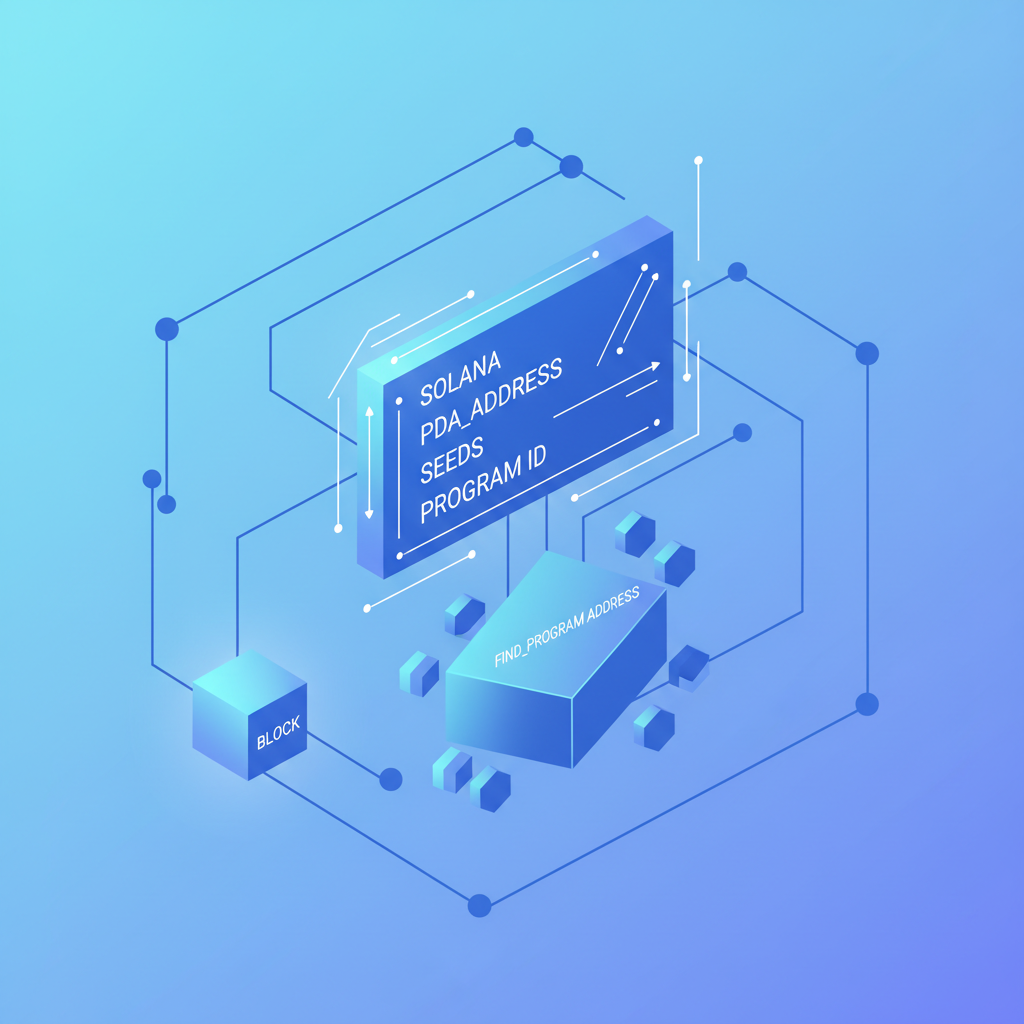
At their core, PDAs are accounts controlled by programs rather than private keys. Generated via seeds and a program’s ID, they produce unique, verifiable addresses. This determinism proves invaluable for AI agents needing consistent on-chain identities without custodial risks. Unlike standard wallets, PDAs empower programs to authorize transfers, DeFi interactions, or NFT management autonomously.
Consider the advantages: no seed phrases to safeguard, inherent program-level access controls, and seamless integration with Solana’s parallel execution. In practice, this means an AI agent can execute trustless AI agent transactions on Solana while adhering to spending limits or multi-sig equivalents defined in code. The ERC-8004 influence here is evident, with Solana adaptations like agent registries enhancing discoverability and reputation.
Equipping Your Toolkit for Anchor-Driven Development
Building these wallets demands a robust setup. Anchor simplifies Rust-based Solana programming with macros for account validation and serialization, reducing boilerplate. Start by installing prerequisites to forge Anchor framework AI agent wallets.
Set Up Solana Anchor Environment for PDA Wallets
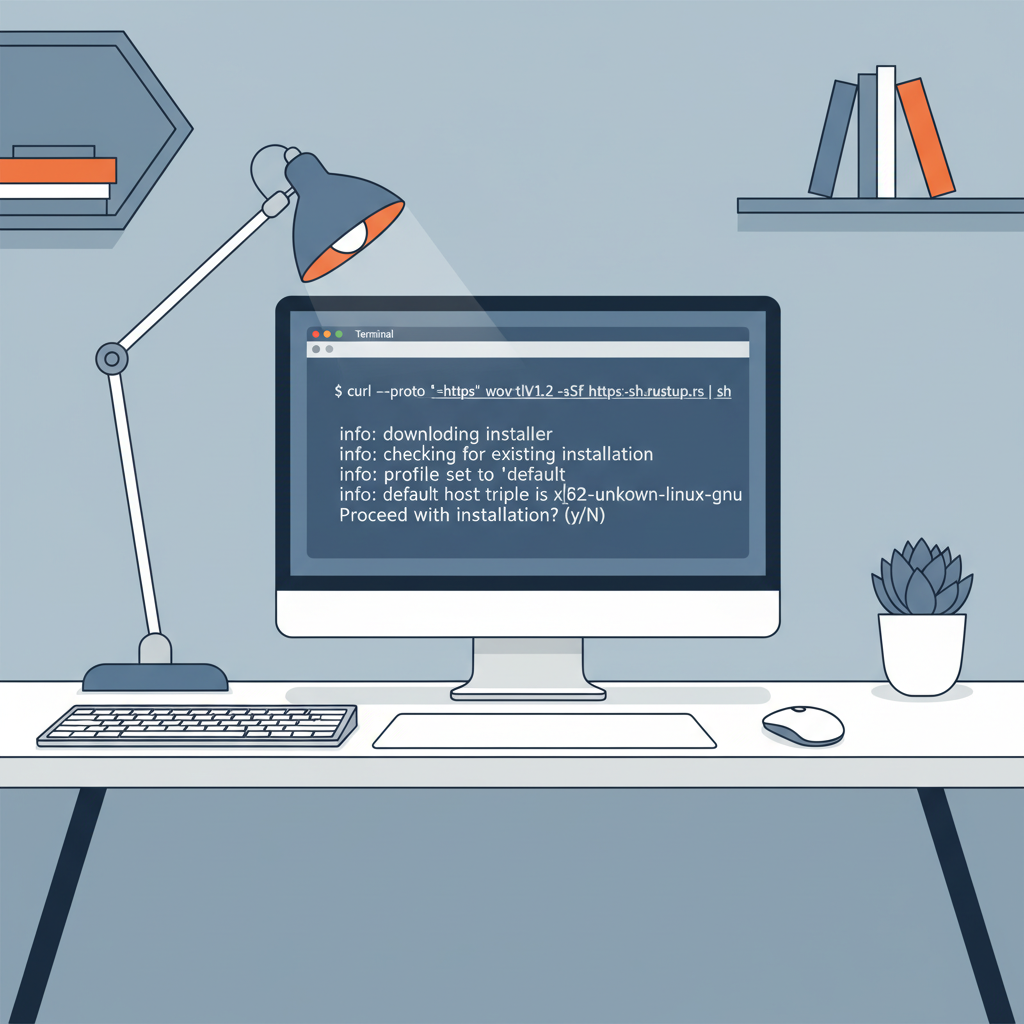
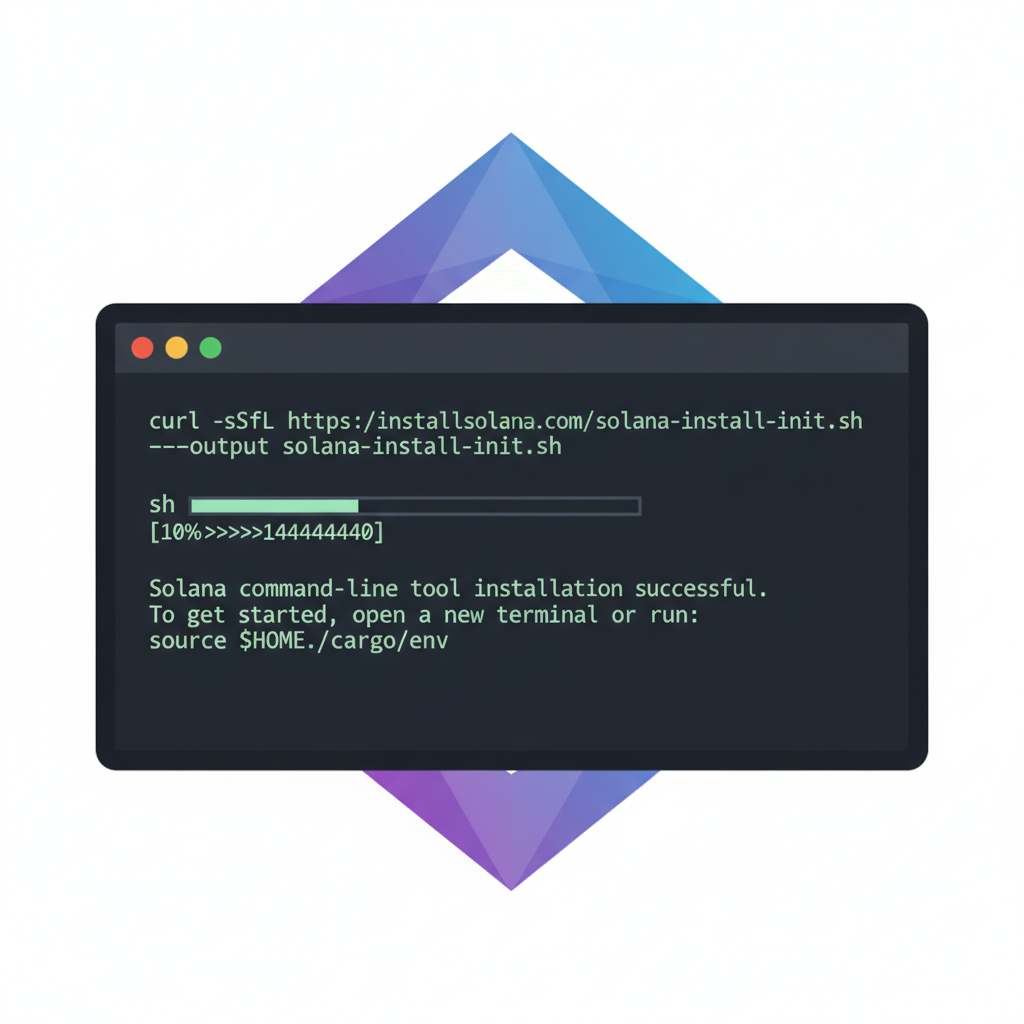
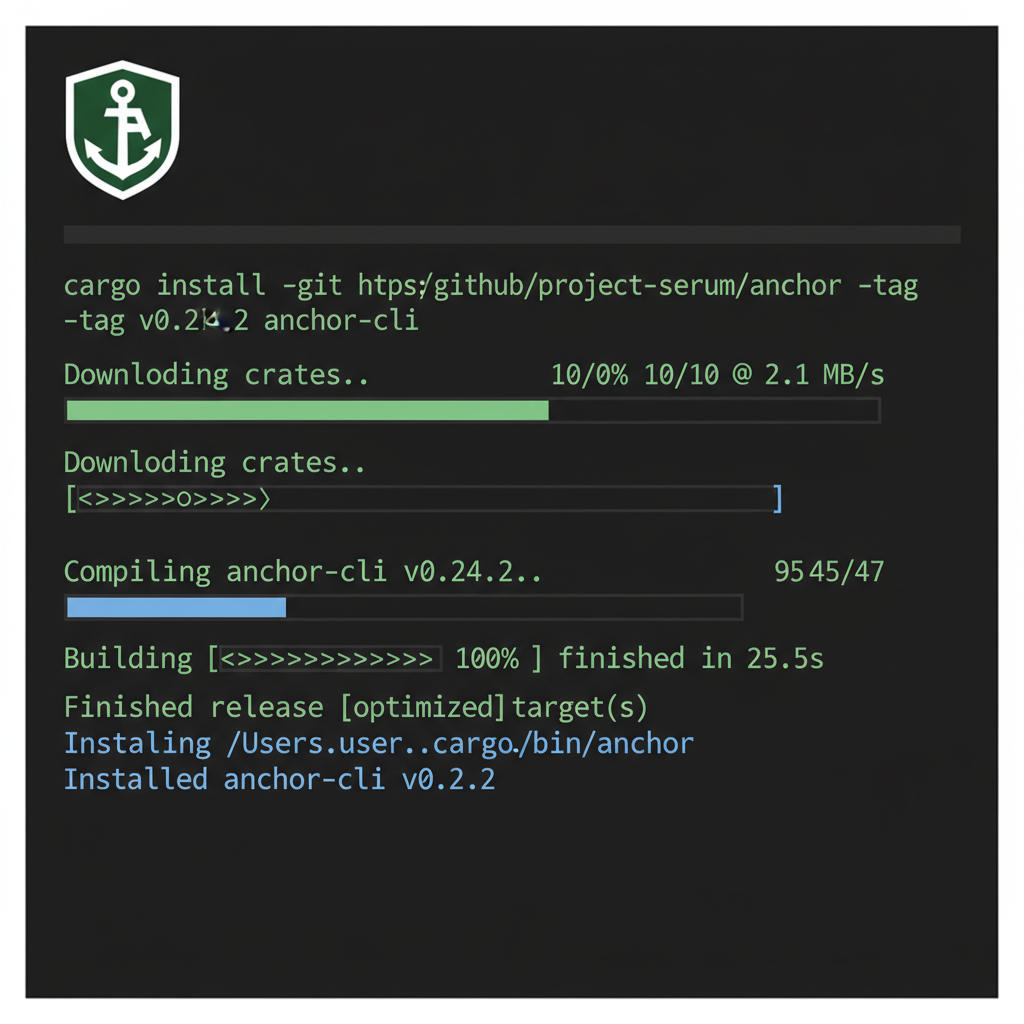
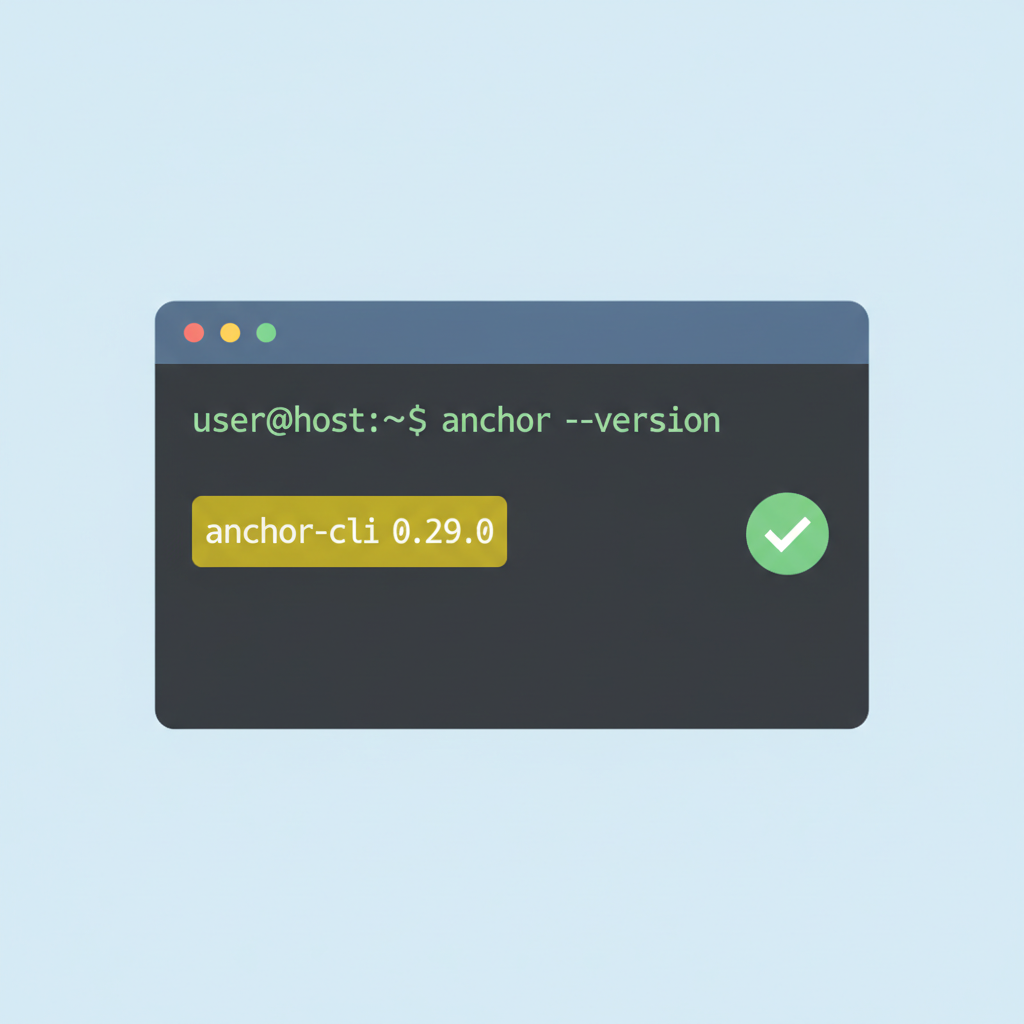
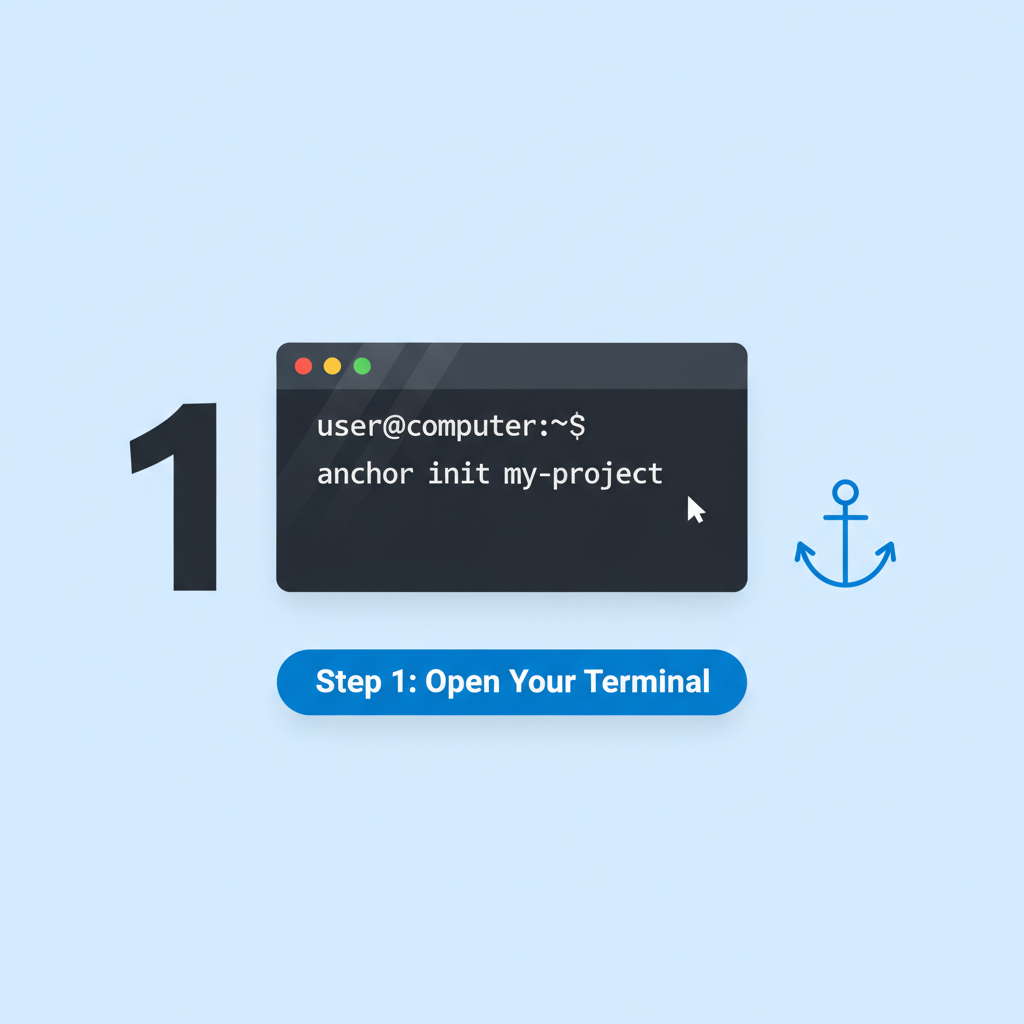
Once configured, create a new Anchor project. This environment lets you define instructions that manipulate PDAs, test locally via Solana’s devnet, and deploy effortlessly. I favor this stack for its type safety and IDL generation, which bridges Rust programs to TypeScript clients seamlessly.
Structuring PDAs: From Seeds to Secure Wallets
Defining a PDA in Anchor hinges on the #
PDA Wallet Account Initialization
To initialize the self-custodial PDA wallet within an Anchor instruction handler, apply the `#[account]` macro to the relevant account field. This configuration derives the PDA address from a deterministic seed combining a fixed string and the user's public key, while allocating precise space for the wallet state.
```rust
#[account(
    init,
    seeds = [b"wallet", user.key().as_ref()],
    bump,
    payer = user,
    space = 8 + WalletAccount::INIT_SPACE
)]
pub wallet_account: Account<'info, WalletAccount>,
```
The `init` directive creates the account if it does not exist, `payer = user` charges the creation fee to the user, and `bump` automatically computes the bump seed for valid PDA derivation. This structure enforces program-controlled ownership, central to self-custodial wallet security on Solana.
, bump, payer = user, space = 8 and WalletAccount: : INIT_SPACE)] pub wallet_account: Account<'info, WalletAccount>, for initializing self-custodial PDA wallet. >
This snippet initializes a wallet PDA per user, allocating space for balances or metadata. The payer field designates the funding account, while bump auto-computes the nonce. Extend WalletAccount with fields like token balances or policy rules to support agent operations.
Next, craft instructions for core functions: balance queries via get_account, transfers using SPL Token program CPI, and custom logic for AI-driven decisions. Anchor's CPI helpers streamline interactions, maintaining composability with Solana's ecosystem.
Anchor's context parameter passing ensures these operations remain secure and efficient. For instance, a transfer instruction might invoke the SPL Token program via cross-program invocation (CPI), deducting from the PDA and crediting recipients atomically.
The core instruction for executing secure token transfers from the self-custodial PDA wallet employs a Cross-Program Invocation (CPI) to the SPL Token program. This approach deducts tokens atomically from the PDA-controlled account and credits them to the recipient, with the PDA providing the cryptographic authority via derived seeds. This mechanism ensures precise control and verification: the seeds constraint ties the PDA to the user, while the CPI signer validation by the Token program prevents unauthorized transfers, upholding the self-custodial integrity of the wallet.TransferTokens Instruction for PDA-Signed Token Transfers
```rust
use anchor_lang::prelude::*;
use anchor_spl::token::{Token, TokenAccount, Transfer};
#[derive(Accounts)]
pub struct TransferTokens<'info> {
#[account(mut)]
pub from: Account<'info, TokenAccount>,
#[account(mut)]
pub to: Account<'info, TokenAccount>,
/// CHECK: PDA wallet authority
#[account(
seeds = [b"wallet".as_ref(), user.key().as_ref()],
bump
)]
pub wallet_account: AccountInfo<'info>,
pub user: Signer<'info>,
pub token_program: Program<'info, Token>,
}
pub fn transfer_tokens(ctx: Context
]; sign_and_execute( and amp;ctx. accounts. from, seeds, transfer_ix)?; Ok(()) } with CPI to SPL Token program for secure self-custodial transfers. >
This pattern enforces authority via PDA seeds, preventing unauthorized drains. I appreciate how Anchor abstracts away signature complexities, letting developers focus on logic over cryptography.
Wallet Operations: Empowering AI-Driven Transactions
With the PDA structured, implement key wallet functions. Balance checks pull lamports or token holdings directly from the account data. Transfers require signing with the PDA's derived authority, verified by seeds. Advanced features like programmable spending limits form a rudimentary Solana policy engine for AI agents, gating actions based on thresholds or time locks.
Picture an AI agent negotiating DeFi yields: it queries rates via oracles, computes optimal positions, then executes swaps through your PDA. This composability shines on Solana, where sub-second finality minimizes slippage. Test these in Anchor's local validator, iterating swiftly before devnet deployment.
Seamless AI Agent Integration
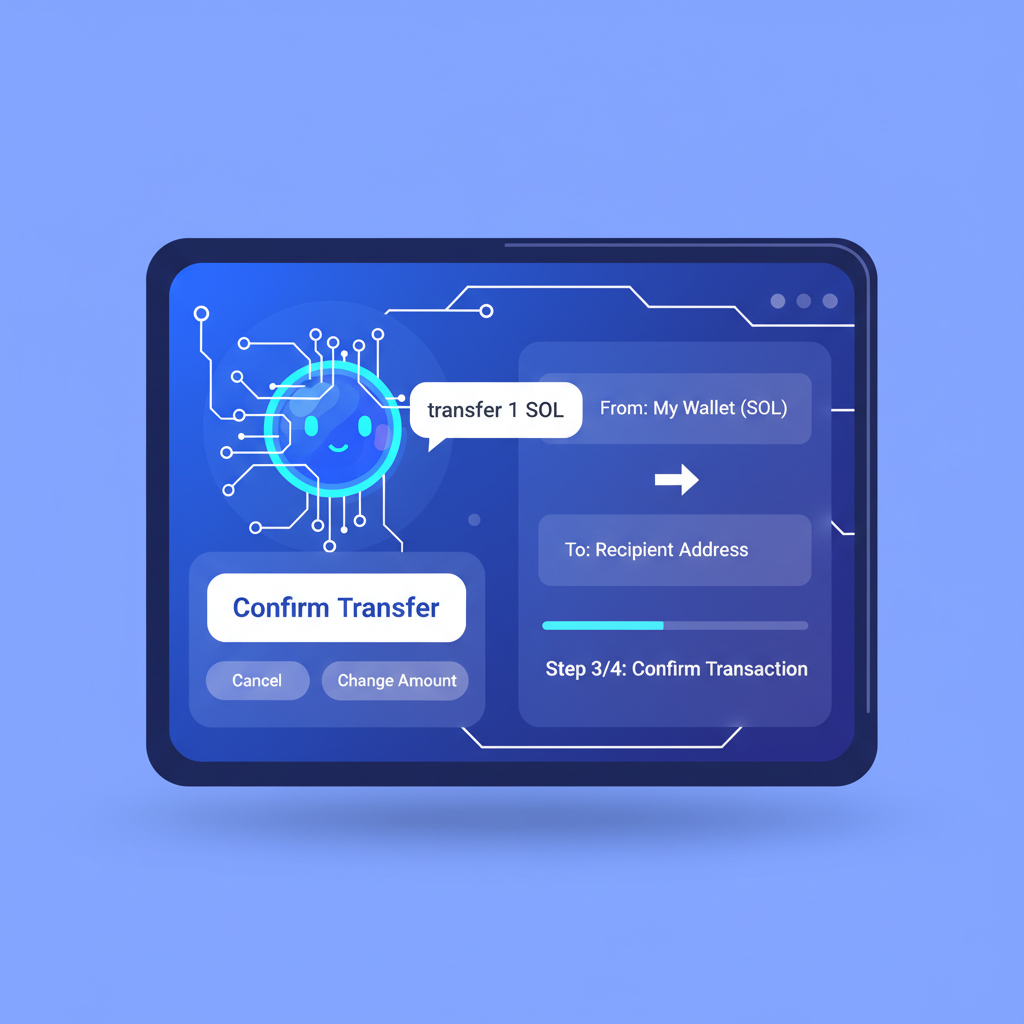
AI agents breathe life into these wallets. Frameworks like Solana Agent Kit bridge natural language interfaces to on-chain actions, parsing intents into program calls. Deploy your agent as a serverless function or edge compute, passing PDA seeds for authorization.
ERC-8004's Solana ports, such as agent registries, add reputation layers. An agent registers its PDA, accruing scores from successful trades or collaborations. This fosters trustless ecosystems where agents discover peers, negotiate, and transact via PDAs. Dual-key setups prevail: users hold owner keys for recovery, while agents wield operational keys in TEEs.
Integration boils down to client-side TypeScript: generate PDAs off-chain, invoke instructions via Anchor's generated IDL. Here's a streamlined flow.
Integrate AI Agents with Self-Custodial PDA Wallets on Solana
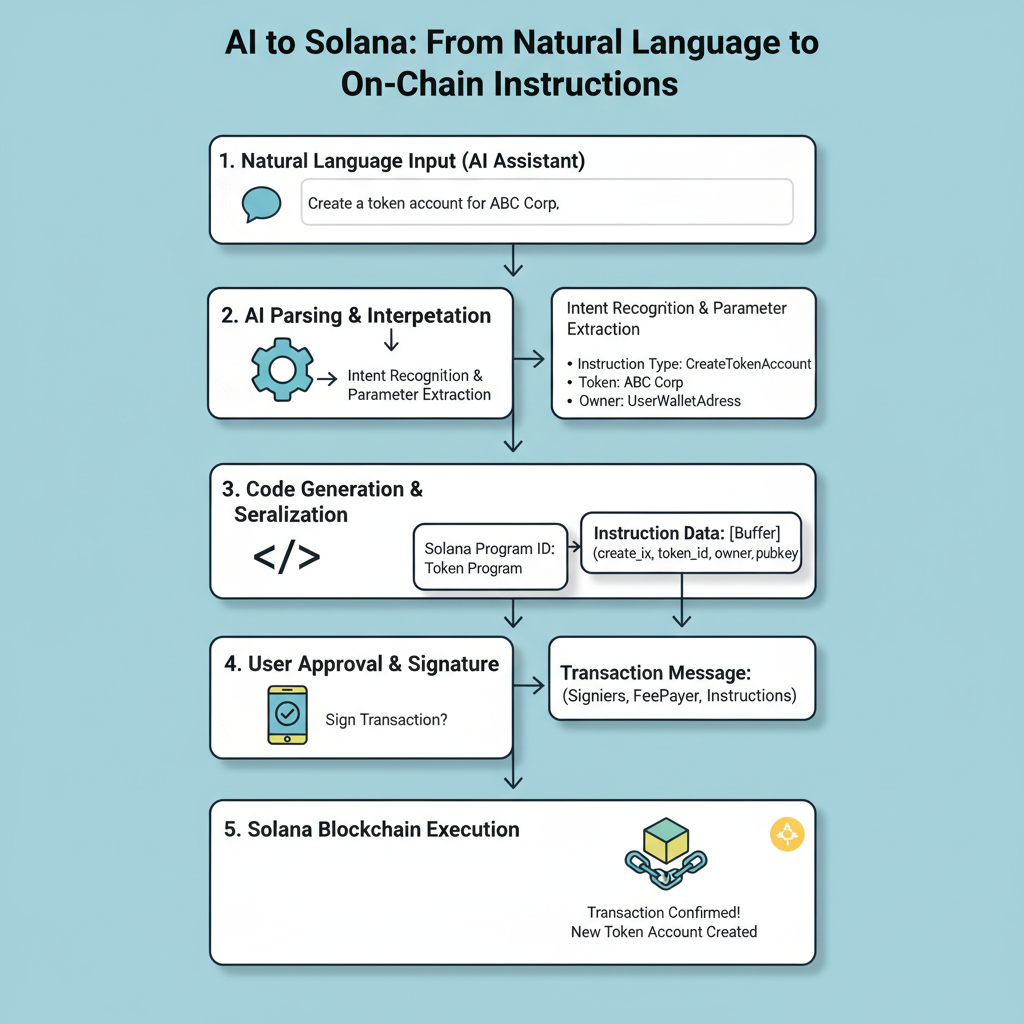
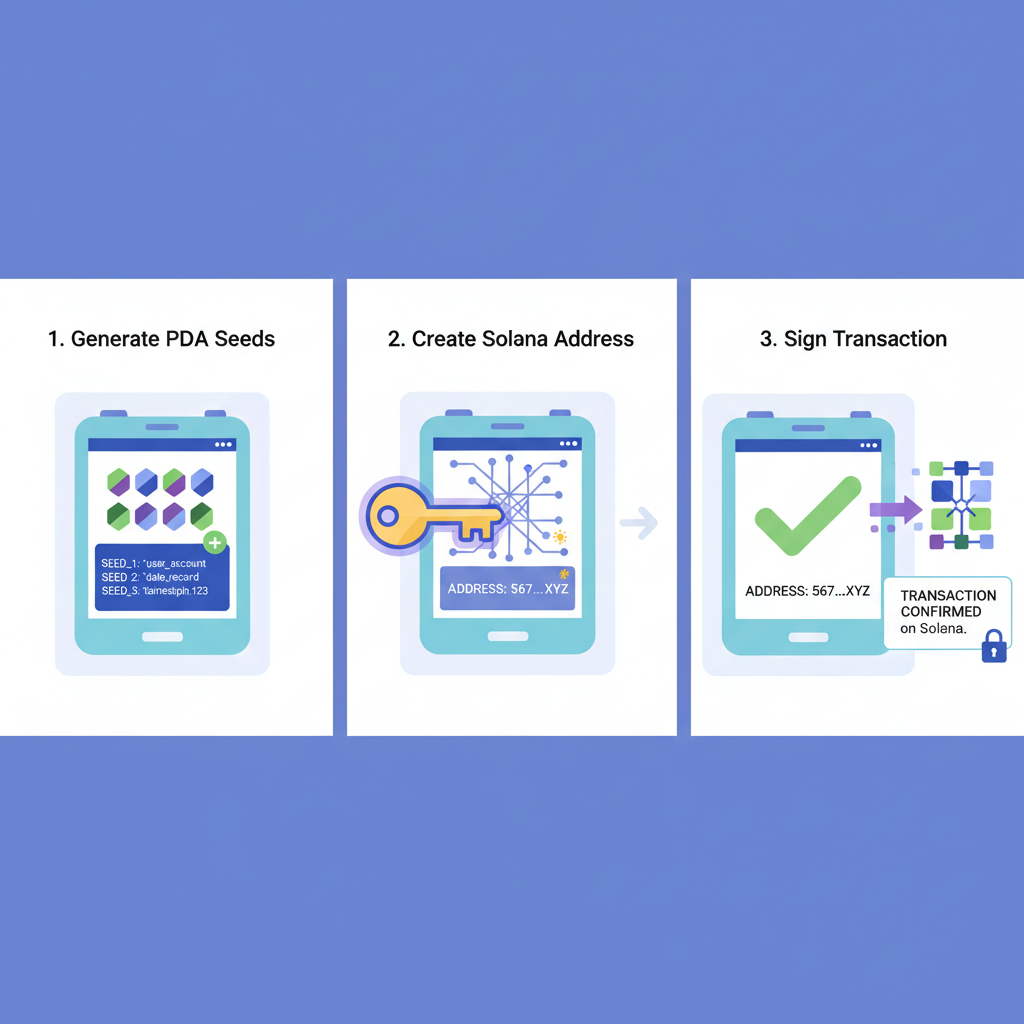
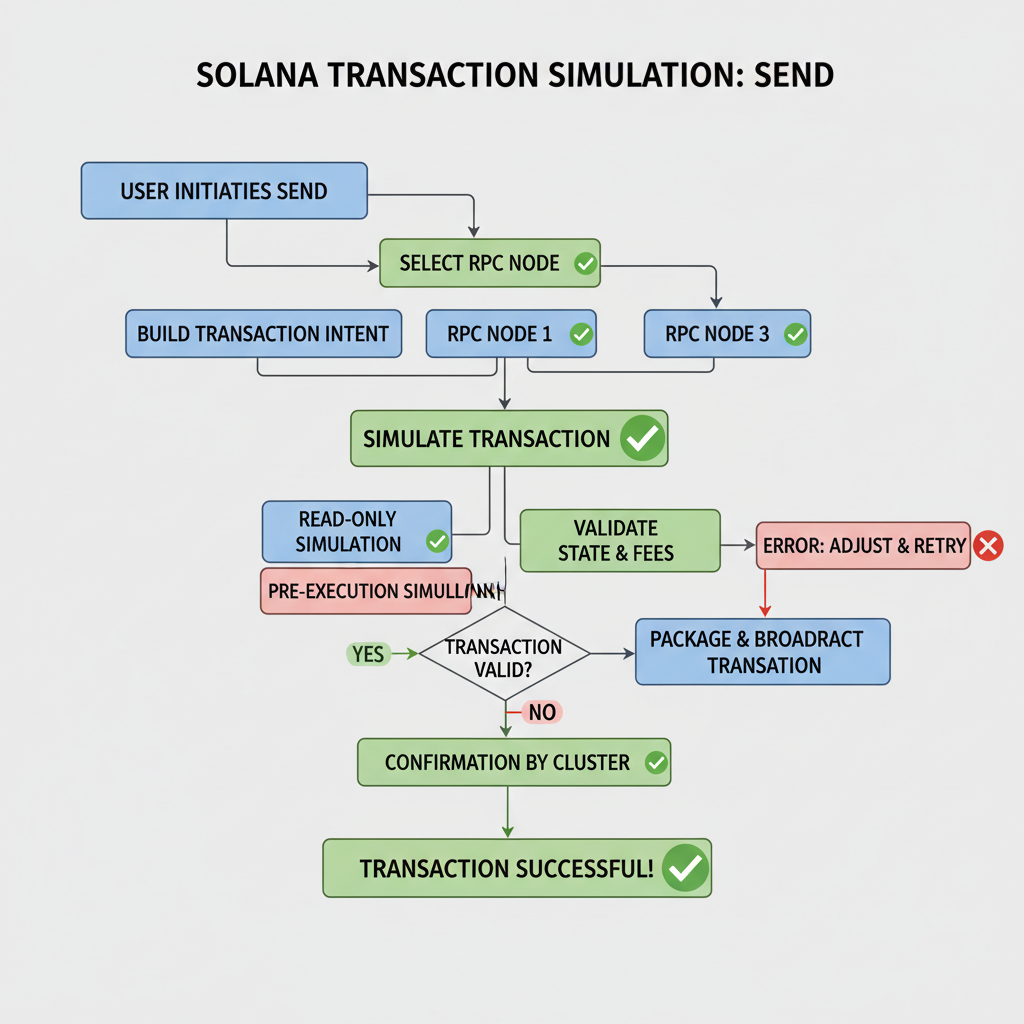
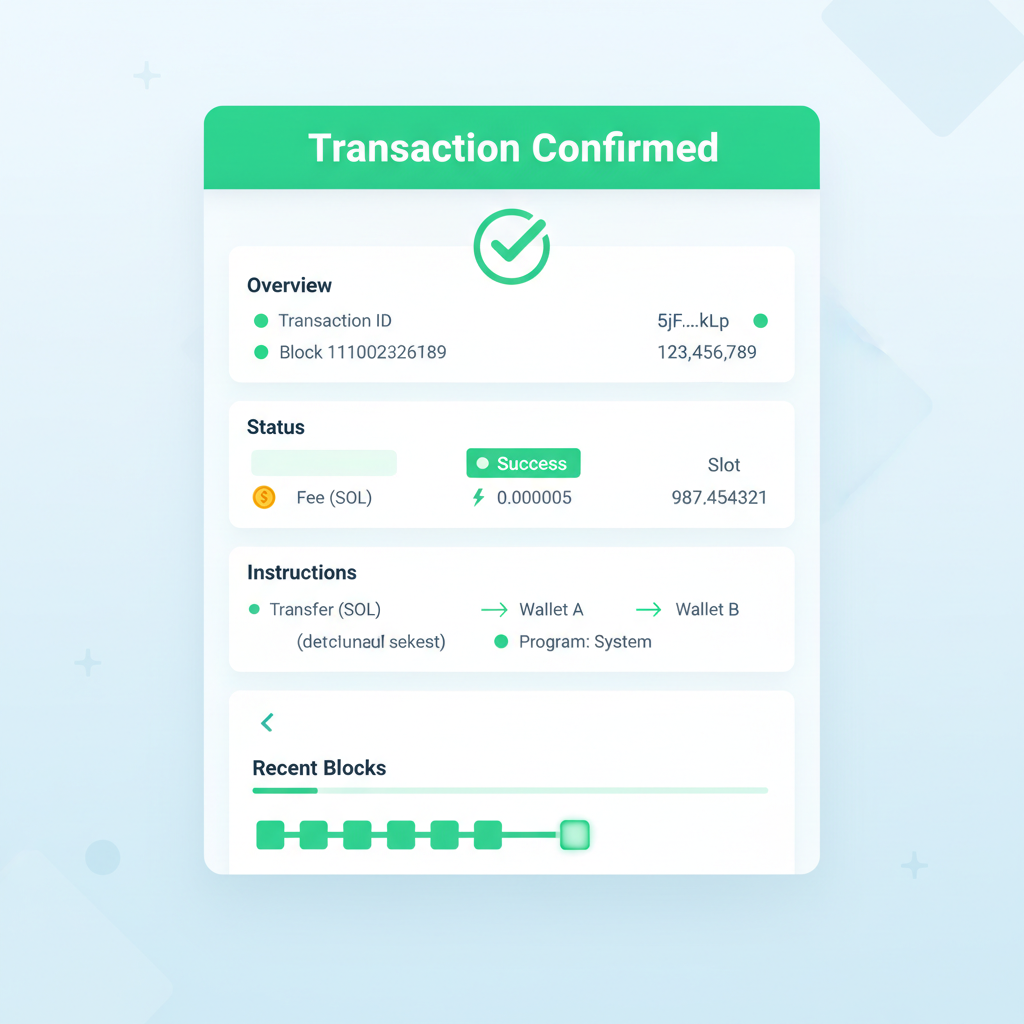
This loop enables autonomous loops, from yield farming to NFT curation, all under self-custody. I see immense potential in policy engines that evolve via on-chain governance, adapting to agent performance.
Fortifying Security: Dual Keys and Beyond
Security underpins everything. PDAs inherently avoid key exposure, but layer defenses: rate limits, allowlists for targets, and anomaly detection via oracles. Dual architecture splits control: agent keys for routine ops, owner keys for overrides, often in hardware modules.
Trusted Execution Environments (TEEs) shield agent logic, attesting code integrity on-chain. Combine with reputation from 8004-solana for nuanced permissions, rejecting low-score agents. Regularly audit CPIs, minimize account space, and use Anchor's zero-copy deserialization to thwart exploits.
Deployment follows: build with anchor build, deploy to devnet via anchor deploy, then mainnet-beta. Verify via Solana Explorer, monitoring for PDA activity. Client apps in Next. js consume the IDL effortlessly.
Solana's parallelism amplifies agent swarms, executing parallel trades without congestion. As ERC-8004 matures on Solana, expect standardized registries boosting interoperability. Developers building now gain first-mover edge in trustless AI agent transactions on Solana, crafting wallets that scale with agent intelligence. Patience pays in code as in markets; iterate deliberately to unlock decentralized autonomy.