Threshold Signatures in Multi-Agent Systems with Gnosis Safe Wallets 2026

In the evolving landscape of gnosis safe ai multi-agent systems, threshold signatures emerge as a game-changer for securing autonomous operations in 2026. Picture a fleet of AI agents managing a DAO treasury: instead of clunky multisig approvals that broadcast every signer’s involvement, these agents collaboratively forge a single, sleek signature. This isn’t just efficiency; it’s a shield for privacy and a boon for scalability in multi-agent gnosis safe 2026 setups. Gnosis Safe wallets, the gold standard for smart account custody, stand poised to integrate these schemes, transforming how ai dao treasury agents handle DeFi maneuvers without exposing their coordination.

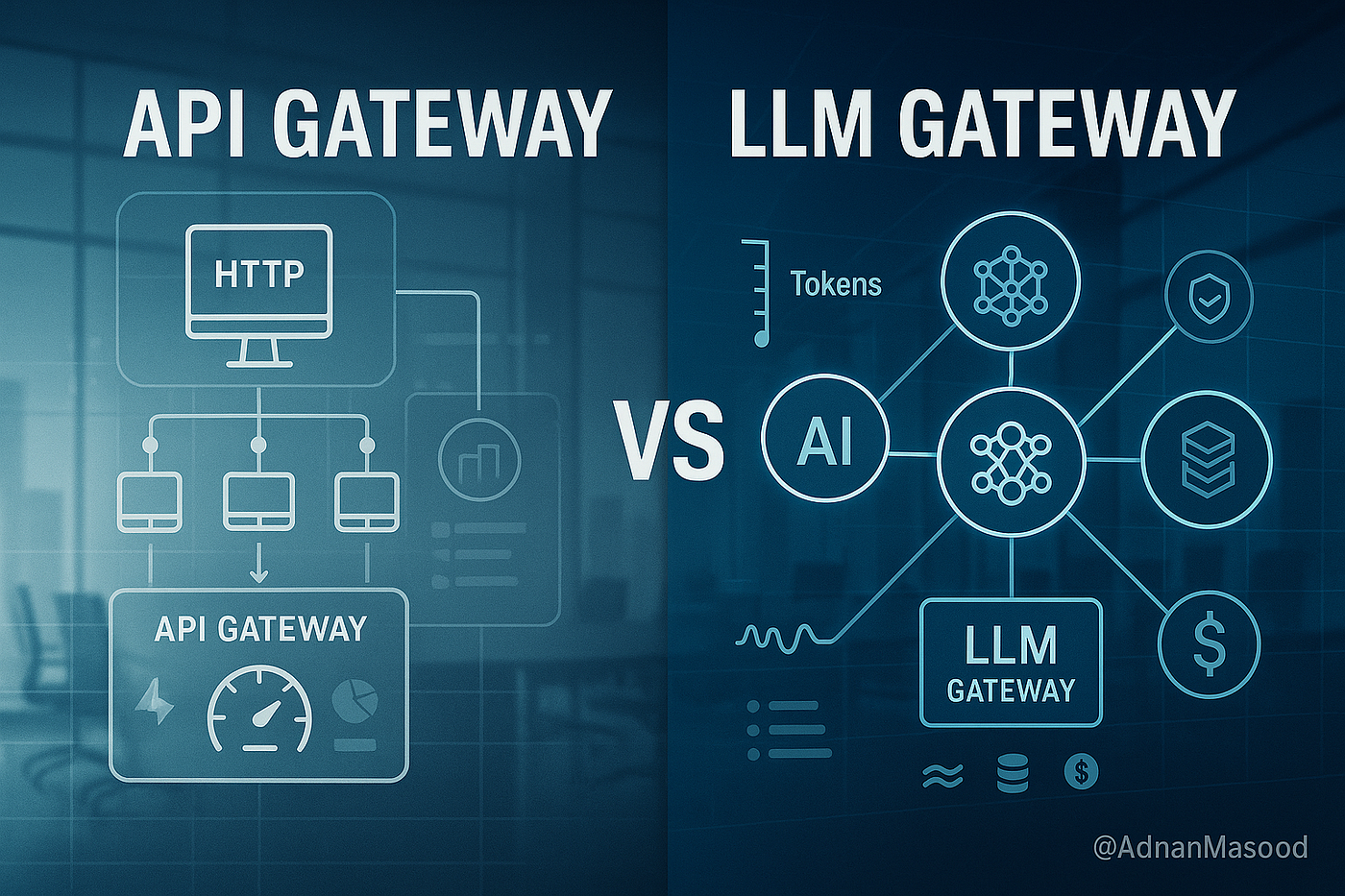
Threshold signatures allow t-out-of-n parties to produce a valid signature indistinguishable from one generated by a single key. This cryptographic elegance sidesteps the bloat of traditional multisig, where each owner’s signature bloats the transaction data. In multi-agent contexts, where AI entities might number in dozens, this matters profoundly. Reduced calldata means slashed gas fees, vital as Ethereum layers scale under AI-driven demand. Privacy gains are equally compelling: blockchain explorers reveal nothing about the signer count, thwarting adversaries from mapping governance structures.
Why Threshold Signatures Outpace Multisig in AI-Driven Wallets
Traditional Gnosis Safe multisig, while battle-tested, carries baggage. Each transaction demands distinct signatures, inflating sizes and fees; a 2-of-3 setup might double or triple costs versus a solo signer. Public visibility invites scrutiny: savvy observers infer team sizes or approval dynamics from on-chain patterns. Threshold schemes flip this script. Drawing from protocols like those in Safe’s documentation on signatures and off-chain transactions, integration could streamline AI agent interactions.
Consider threshold signatures ai wallets: Wamu’s noncustodial approach exemplifies this, enabling decentralized teams to sign without centralized chokepoints. No interactive rounds needed post-keygen; non-interactive variants like Gargos or Mask-FROST, highlighted in NIST’s 2026 workshops, promise two- or three-round setups with adaptive security. For AI agents powered by Safe smart accounts, this means autonomous signing relays: one agent proposes, others threshold-contribute off-chain, yielding a protocol-native signature for relay.
Threshold Signatures vs Multisig
| Feature | Threshold Signatures | Multisig |
|---|---|---|
| Signature Size | Small ✅ | Large |
| Gas Fees | Low ✅ | High |
| Privacy | High, hides n 🔒 | Low, reveals structure |
| Scalability | Excellent for 100+ agents 🚀📈 | Limited by sig count |
I’ve managed portfolios long enough to appreciate risk layers. Multisig spreads keys but couples them visibly; thresholds distribute trust invisibly. In a gnosis safe ai multi-agent world, where agents execute flash loans or NFT sweeps, this invisibility deters front-running or social engineering.
Bridging Gnosis Safe to Threshold Era for Multi-Agent Autonomy
Gnosis Safe’s ecosystem, from Protocol Kit for signature generation to Transaction Service APIs, already nods toward modularity. Docs on AI agents interacting with Safes outline transaction prep and off-chain signing, perfect scaffolding for thresholds. Setup a Safe with threshold owners: AI agents as signers, constrained by spend limits and frequency caps, as noted in recent analyses on crypto AI agents’ risks.
Implementation starts simple. Generate a (t, n)-threshold keypair distributed across agents. For a transaction, hash it via EIP-712, have t agents compute partial sigs, aggregate off-chain. Submit the unified sig to Safe’s execTransaction; validators see a standard ECDSA blob. No protocol forks needed; Safe’s flexible owner modules could wrap threshold logic natively by 2026.
This shift empowers ai dao treasury agents. Agents manage treasuries with surgical precision: one scouts yields, another hedges forex via perps, a third thresholds the tx. Excess allowances? Mitigated by granular modules. Safe’s message signing guides extend here, securing off-chain comms too.
Real-World Edges: Security and Efficiency in Practice
Thresholds shine in adversarial settings. Unlike multisig’s signer enumeration attacks, aggregated sigs leak zero metadata. NIST advancements ensure quantum resistance looms friendly. For Gnosis on chains like Mode or Optimism Superchain, fee savings compound: a 10x agent swarm saves thousands in gas yearly.
Yet, opinionated take: don’t rush unproven schemes. Vetting like Safe’s rigorous audits is paramount. Partial sig aggregation demands robust MPC; laggard agents risk DoS. Still, for multi-agent gnosis safe 2026, thresholds aren’t hype; they’re the balanced path to autonomous wealth stewardship.
Practical deployment hinges on libraries bridging threshold crypto to Safe’s Protocol Kit. Agents query the Safe Transaction Service for pending txs, compute safeTxHash, then threshold-sign off-chain before relaying. This mirrors Safe docs on transactions with off-chain signatures, but elevates it for threshold signatures ai wallets.
Hands-On: Threshold Signing Flow for AI Agents
Envision a DAO treasury agent swarm: Agent A detects a yield farm opportunity on Gnosis Chain, preps the tx via Safe’s API. It broadcasts the safeTxHash to peers. Threshold logic kicks in, t agents generate partial Schnorr sigs using Mask-FROST, aggregate into one ECDSA-compatible blob. Submit to execTransaction; done. No on-chain bloat, no signer exposure.
Threshold Signature Flow with Safe Protocol Kit
Here is a practical JavaScript example using the Safe Protocol Kit and the threshold library to handle threshold signatures in a multi-agent setup. This demonstrates generating a Safe transaction hash, collecting partial signatures from t agents, aggregating them, and signing/executing the transaction.
import { SafeProtocolKit } from '@safe-global/protocol-kit';
import { generateSafeTransactionHash, aggregatePartialSignatures } from '@safe-global/threshold-lib';

// Initialize the Safe SDK
const safeSdk = await SafeProtocolKit.init({
  chainId: 1,
  txServiceUrl: 'https://safe-transaction.gnosis.io',
  ethProvider: new ethers.providers.JsonRpcProvider('https://eth-mainnet.alchemyapi.io/v2/...'),
  safeAddress: '0x...'
});

// Prepare a Safe transaction data
const safeTransactionData = {
  to: '0x...',
  value: '0',
  data: '0x...',
  nonce: await safeSdk.getNonce(),
  safeTxGas: 0,
  baseGas: 0,
  gasPrice: 0,
  gasToken: '0x0000000000000000000000000000000000000000',
  refundReceiver: '0x0000000000000000000000000000000000000000',
  signatures: ''
};

// Generate the Safe transaction hash
const safeTxHash = generateSafeTransactionHash(safeTransactionData);

// Assume t agents (out of n) generate partial signatures
const partialSignatures = [];
for (let i = 0; i < t; i++) {
  const partialSig = await agents[i].sign(safeTxHash); // agents[i] is a threshold key share holder
  partialSignatures.push(partialSig);
}

// Aggregate partial signatures into a single signature
const aggregatedSignature = aggregatePartialSignatures(partialSignatures);

// Sign the transaction with the aggregated signature
const signedSafeTx = await safeSdk.signTransaction({ safeTransactionData, signature: aggregatedSignature });

// Execute the transaction
const txHash = await safeSdk.executeTransaction(signedSafeTx);

console.log('Transaction hash:', txHash);
This approach leverages threshold cryptography to ensure security and efficiency: only t-of-n agents are needed to authorize actions, reducing coordination overhead while maintaining robust protection against compromised keys. Note that actual implementation requires proper setup of agent key shares and network configuration.
This pseudocode skeleton scales to dozens of agents. Safe's message signing extends it for EIP-712 oracle feeds or governance votes, crucial for ai dao treasury agents verifying market signals before trades.
I've seen portfolios crumble on visible weak links; thresholds obscure them elegantly. Yet balance demands scrutiny: key distribution via TSS ceremonies must be flawless, lest a compromised agent cascade fails the threshold.
Navigating Pitfalls: Risks and Robust Defenses
Challenges persist. Liveness issues plague async agents, slow responders stall sigs. Solution: asynchronous threshold schemes or backup signers. Excess permissions, flagged in crypto AI agent risk reports, amplify here; pair with Safe modules capping spends at $10k daily, time-locks on sweeps.
| Challenge | Mitigation | Impact on Multi-Agent Safes |
|---|---|---|
| Key Compromise | Proactive Rotation and Shamir Shares | Isolates breaches, no full wallet loss ✅ |
| DoS from Laggards | Quorum Boosters and Timeouts | Maintains 99% uptime 📈 |
| Gas Volatility | Off-Chain Aggregation | 30-50% fee cut 🔒 |
| Privacy Leaks | Zero-Knowledge Proofs | Hides agent count fully 🚀 |
Such defenses turn vulnerabilities into strengths. On Mode or Optimism Superchain, where Safe setups thrive per dev guides, thresholds slash multisig overhead, freeing gas for complex DeFi cascades.
Real-world proxy: Wamu's team wallets already deploy this for orgs, hinting at DAO futures. Scale to 2026: AI agents autonomously rebalance treasuries, threshold-signing perps hedges as forex swings hit. No human bottlenecks; just code and crypto harmony.
2026 Horizon: Thresholds Reshape AI Wallet Ecosystems
By mid-2026, expect Safe core to natively support threshold modules, per ecosystem momentum. NIST-standardized Gargos integrates seamlessly, bolstering quantum readiness. For gnosis safe ai multi-agent fleets, this means treasuries yielding 20% and risk-adjusted, agents optimizing across chains without governance drag.
Opinion ahead: This isn't mere tech; it's stewardship evolution. Traditional multisig served DAOs well, but AI demands fluidity thresholds provide. Constrain agents tightly, frequency limits, whitelists, yet unleash their edge. In my 12 years balancing portfolios, nothing beats distributed trust done invisibly.
Threshold signatures propel multi-agent gnosis safe 2026 into maturity. DAOs gain fortress-like security with featherweight ops, agents thrive unconstrained. The blockchain's new normal: collaborative, covert, cost-effective power.