Secure Crypto Wallet Integration for Autonomous AI Agents on Base Chain Tutorial

In the fast-evolving world of decentralized AI, equipping autonomous agents with secure crypto wallets on the Base chain stands out as a game-changer. With Ethereum hovering at $1,975.75, up $33.77 in the last 24 hours, Base’s low-cost, high-speed transactions make it the ideal playground for AI agents handling DeFi ops, NFT flips, and on-chain decisions without human babysitting. Coinbase’s Agentic Wallets and tools like Openfort are pushing boundaries, letting agents spend, earn, and trade independently. This tutorial dives straight into building that setup, step by step.

Why Base Chain Powers AI Agents with Wallets
Base isn’t just another Ethereum L2; it’s optimized for agentic workflows. Developers love its seamless access to stablecoins, tokens, and NFTs via CDP AgentKit, as highlighted in Base docs. Picture agents sniping opportunities in real-time, all while keeping gas fees negligible compared to mainnet. Recent launches like Coinbase’s Agentic Wallets, debuted for autonomous spending, align perfectly with Base’s ecosystem. Openfort adds programmable policies and monitoring, ensuring your agent doesn’t go rogue with funds. Alchemy’s multi-chain support sweetens the deal, but Base shines for its stability and speed.
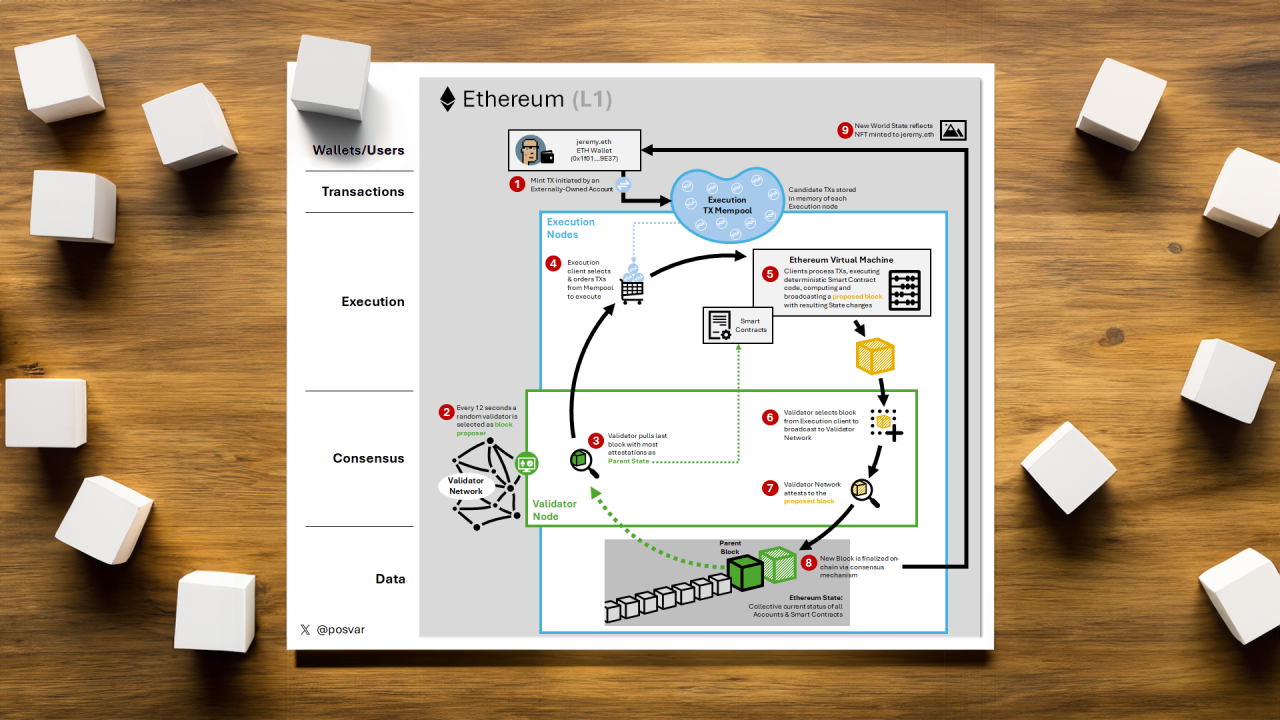
Security is non-negotiable here. Traditional wallets fall short for agents needing programmatic control. Agentic infrastructure from Coinbase lets you equip bots with independent transaction powers, backed by real-time safeguards. Forklog reports this as a leap for AI in crypto, and lablab. ai’s tutorials prove it’s accessible even for hackathon sprinters. We’re talking agents that create wallets, grab test funds, and execute trades autonomously.
Core Concepts: Autonomous AI Agent Wallet Integration
Break it down: an autonomous AI agent is software mimicking human smarts, collecting data, and acting solo, per altFINS. On Base, wallet integration means embedding secure key management so agents interact with smart contracts directly. No more clunky multisigs; use session keys or policy engines from Openfort for granular control. Coinbase’s setup allows earning yields or paying for compute on-chain, all while ETH holds steady at $1,975.75.

Spin up a wallet for your favorite agent in minutes:
npx awal
Learn more:
https://t.co/3SLJcWhbHN
Get started:
https://t.co/p5nU8Aw4tG
For more details, check out @programmer’s thread:
https://t.co/QrlzzYDvEJ
AI agents are now creating wallets, issuing tokens, and diving into DeFi, just like Eliza on BNB shows potential, but Base edges it with Ethereum alignment.
Key challenge? Balance autonomy with security. Hardcode private keys? Recipe for disaster. Instead, leverage account abstraction for passkeys or MPC wallets. This framework ensures high-win-rate agent behaviors, precision over prediction in volatile markets.
Prerequisites and Environment Setup
Before coding, nail your stack. Node. js 20 and, Yarn or npm, and a Base testnet RPC from Alchemy or public endpoints. Install Foundry for smart contract testing; it’s scalpel-sharp for Base deployments. Grab API keys: Base Sepolia faucet for test ETH, Alchemy for RPCs. Opinion: skip Infura; Alchemy’s agent-focused dashboard crushes it.
Run Pro tip: Scaffold with CDP AgentKit for Base. It bundles wallet ops, on-chain actions, and AI hooks. Clone their repo, tweak for your agent logic. Now, agents can poll oracles, decide trades, and sign via embedded wallets. Medium’s Jung-Hua Liu nails DeFi integrations; adapt those for Base swaps. With env locked, you’re primed for wallet creation. Next, we’ll forge the agent wallet, fund it, and test a swap. This setup mirrors production: secure, scalable, Base-native. Let’s forge that agent wallet using account abstraction for true autonomy. Ditch ECDSA keys; embrace ERC-4337 with Alchemy’s AA SDK. Spin up a smart wallet via Openfort’s API, embedding policies like spend limits or cooldowns. Here’s the play: initialize the Openfort client, generate a signer, then deploy the counterfactual wallet on Base Sepolia. This autonomous AI agent wallet integration keeps private keys off-server, perfect for serverless agents. Execute that snippet, and boom: your agent owns a Base address ready for action. Fund it via the Sepolia faucet or bridge test ETH. With Ethereum at $1,975.75, testnet keeps your real portfolio safe while agents grind mock DeFi plays. Opinion: Openfort’s real-time monitoring trumps basic relayers; catch anomalies before they drain funds. Link this wallet to your AI logic, say via LangChain or custom LLM prompts for decision-making. Wallet live? Time to test a DeFi swap. Agents shine in Base chain AI DeFi tutorial scenarios: poll Uniswap V3 quoter, analyze liquidity, execute if ROI beats threshold. Use ethers. js for contract calls, signed by the agent’s smart wallet. Simulate arbitrage between stablecoins; Base’s speed crushes Solana latency spikes. Alchemy’s agent platform handles cross-chain if needed, but stick to Base for purity. Build the transaction bundle: approve USDC spend, then swap on Uniswap. Bundle via ERC-4337 UserOp for gas efficiency. Your agent decides based on order flow, much like scalping majors, but on-chain. Success? Log the tx hash, verify on Basescan. ETH’s steady $1,975.75 climb signals confidence in L2s like Base, fueling agent adoption. Coinbase’s Agentic Wallets echo this, empowering bots for yields without oversight. Scale it: Hook to oracles for price feeds, ML models for predictions. Dynamo DeFi’s guide nails agent tasks; adapt for Base. Challenges? Front-running. Counter with private mempools or commit-reveal. Production twist: migrate to Base mainnet post-tests, swap test keys for MPC splits. Openfort’s policies enforce and quot;if balance > 1 ETH, pause trades and quot; rules, blending autonomy with guardrails. Real-world edge: Agents managing NFT flips. Query Magic Eden API, bid via on-chain auctions, all wallet-secured. Lablab. ai’s OpenClaw tutorial mirrors this; extend for production. Security audit? Run Slither on contracts, fuzz with Echidna. My take: crypto wallet for on-chain AI agents demands precision; one loose policy, and volatility eats gains. Base’s ecosystem, bolstered by Coinbase infra, minimizes that risk. Deploying agents at scale means orchestration. Use AgentKit for multi-agent swarms: one scouts, another executes. Monitor via dashboards, alert on deviations. With ETH at $1,975.75 and Base throughput soaring, these setups unlock secure wallet AI agent framework dominance. Traders, devs: build now. Agents don’t predict markets; they react flawlessly, turning data into dollars on Base. Frictionless ops await. Your AI agent, wallet-armed on Base, stands ready for DeFi dominance, NFT hunts, and beyond. Iterate, test ruthlessly, deploy boldly. yarn init -y, then add deps: ethers, @alchemy/aa-core, @openfort/openfort-js. Environment vars? DOTENV for RPC_URL, PRIVATE_KEY (use burner for tests), and AGENT_POLICY_ID from Openfort dashboard. Test connectivity with a simple balance check. ETH at $1,975.75 underscores why testnets matter; simulate real loads without burning cash. Crafting the Secure Agent Wallet
Hands-On: Executing On-Chain Transactions