

In the fast-paced world of blockchain and AI, Solana's Program Derived Addresses (PDAs) are becoming the go-to solution for building solana pda ai agent wallets that handle transactions autonomously. With SOL trading at $80.54 after a slight 24-hour dip of -1.85%, developers are leveraging PDAs to create non-custodial setups where AI agents execute DeFi trades, NFT flips, or payments without ever touching private keys. This shift isn't just technical; it's practical for scaling real-world apps like automated trading bots or agent-driven treasuries.
Build Autonomous Solana AI Wallet with PDAs: No Keys Needed
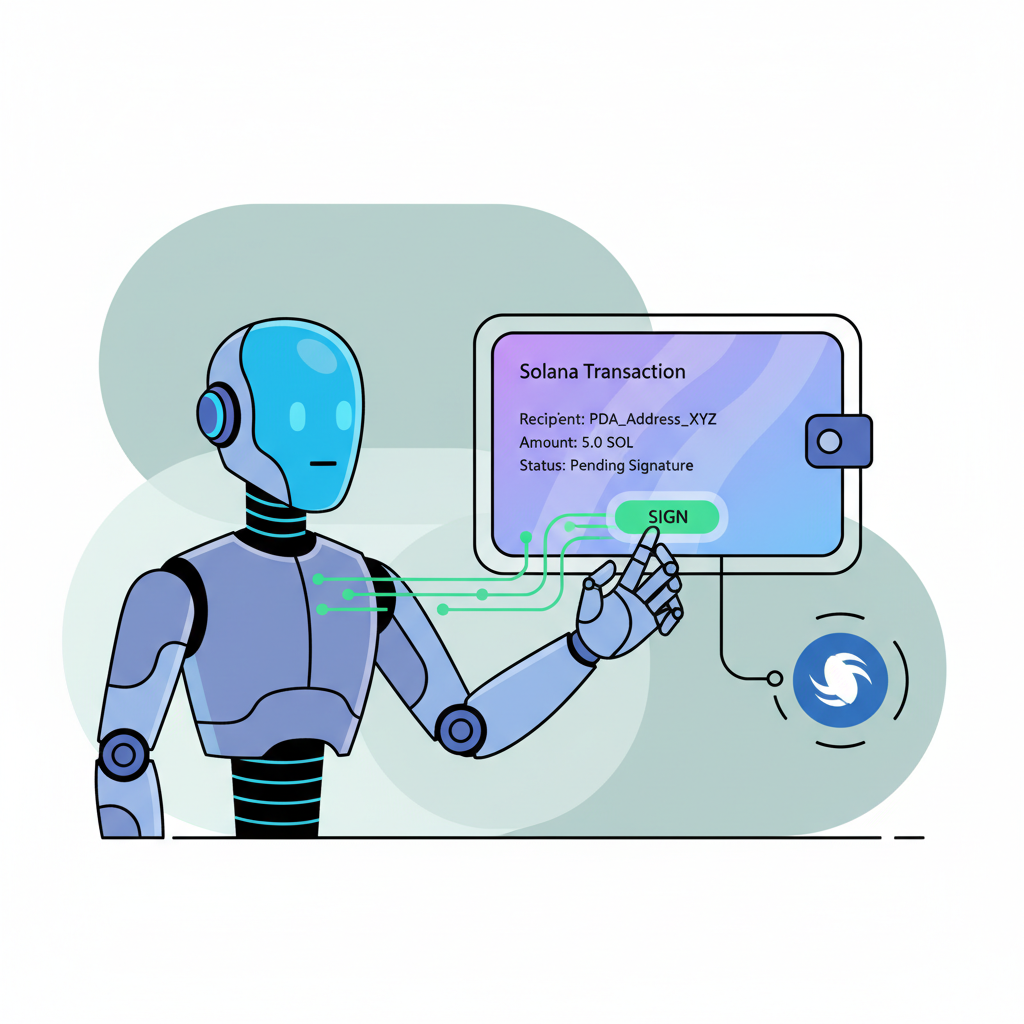
Picture this: your AI agent spots a momentum play on Solana, approves a swap via Raydium, and settles it all in seconds, no human intervention needed. Projects like SolClaw are pioneering this with full payment frameworks tailored for agents, while Solana's own Agent Kit lets you plug in AI for on-chain actions. The beauty? PDAs derive addresses from program seeds, meaning the program itself controls signing authority, slashing key management risks that plague traditional wallets.
Unlocking PDA Basics for Autonomous AI Agent Solana Wallets
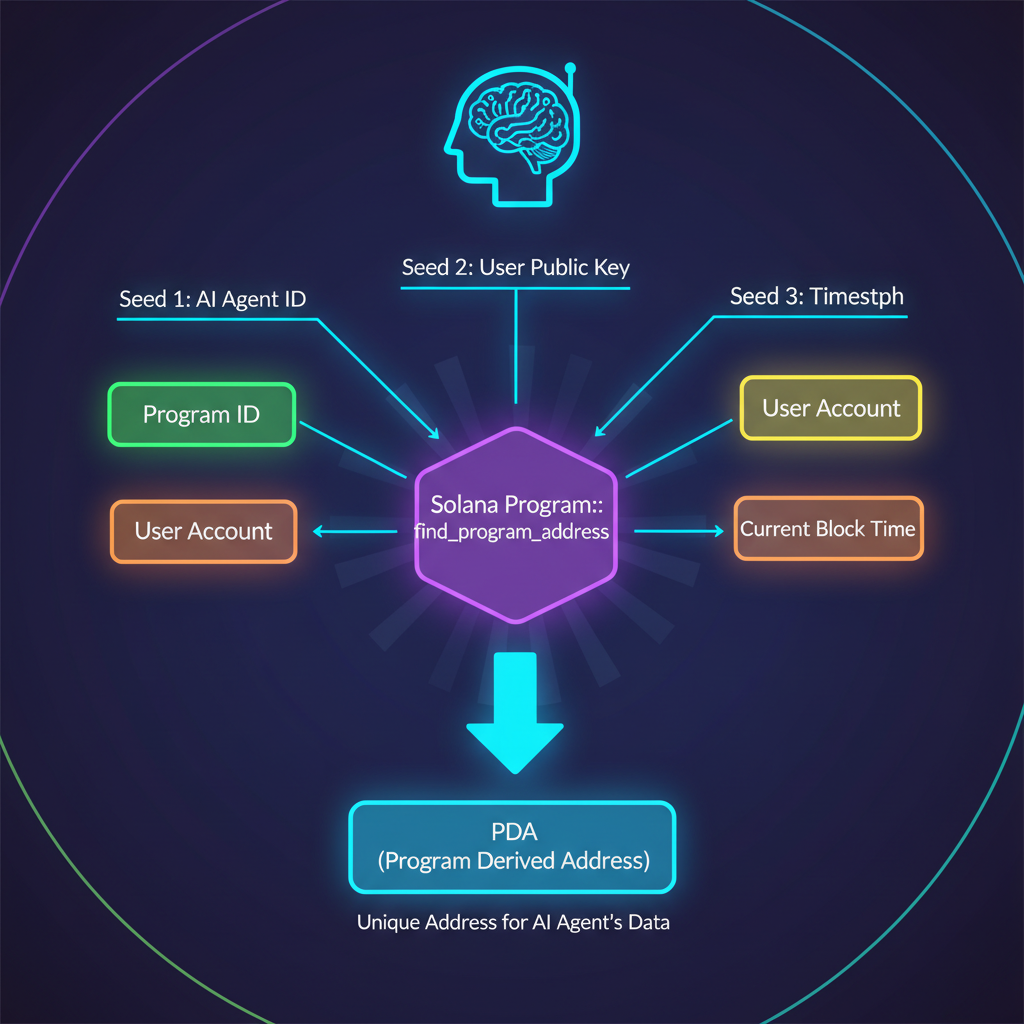
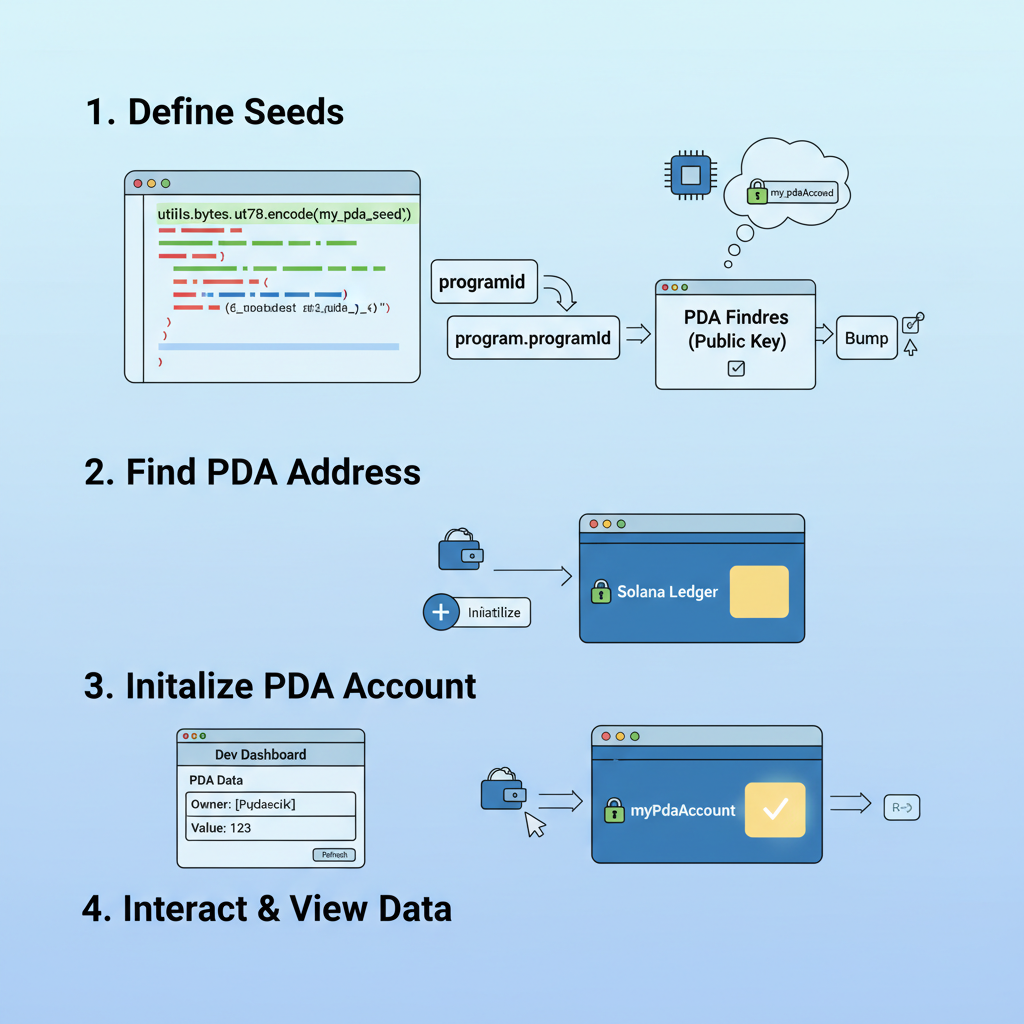
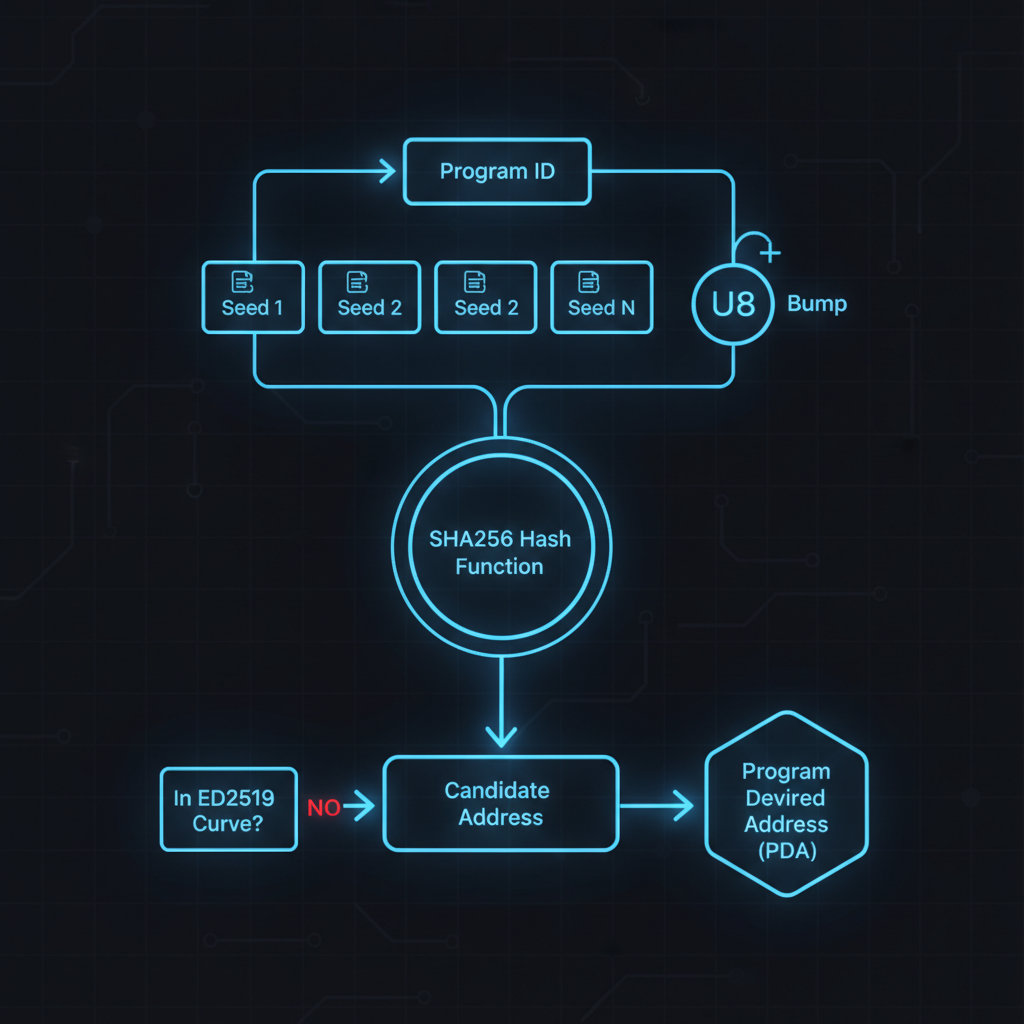
At its core, a PDA is an account address generated deterministically from a program ID and seeds - think unique strings like user IDs or agent names. Unlike regular wallets, PDAs can't sign transactions on their own; instead, the program bumps the address with a nonce for off-chain verification. This setup is perfect for autonomous ai agent solana wallet integrations because it keeps control on-chain.
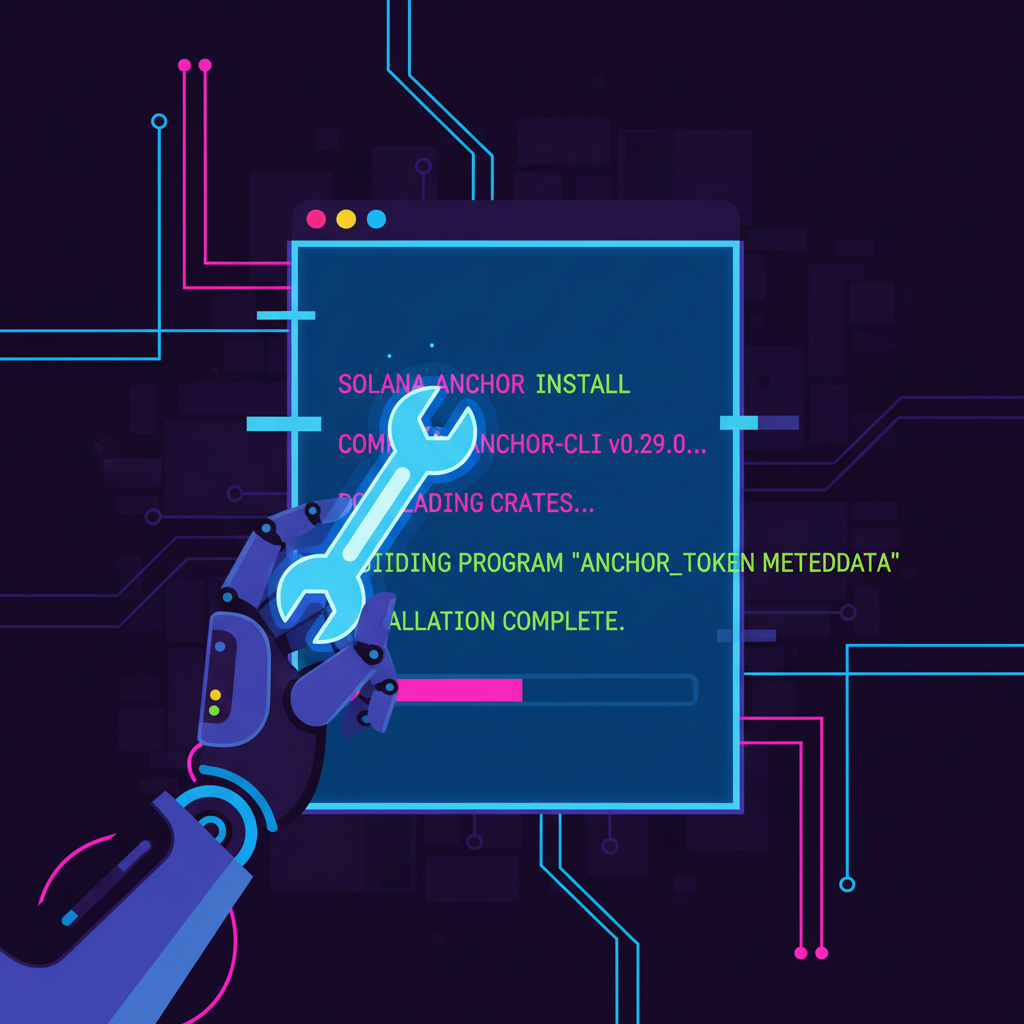
Take Anchor, Solana's Rust framework: it simplifies PDA creation with macros. You define seeds in your program, derive the PDA, and use it for state storage or token accounts. For AI agents, this means embedding wallet logic directly into smart contracts. Recent hackathons on Colosseum showcased agents executing devnet trades via PDAs, proving the tech's readiness even as SOL holds steady around $80.54.

Why PDAs Beat Key Management in AI Agent Wallet Solana Integration
Traditional key management? A nightmare for autonomous systems. Storing private keys invites hacks, and MPC solutions add latency unfit for Solana's high TPS. PDAs flip the script: no keys to lose, just program-enforced rules. Tools like Turnkey's policy controls or Fetch. ai's uAgents now integrate PDAs for secure Solana access, letting agents manage escrows or challenges without custody risks.
Vector Wallet exemplifies this trend, offering AI-powered approvals post-opt-in. Developers building ai agent wallet solana integration report fewer vulnerabilities and smoother ops. As SOL's 24-hour range swung from $78.26 to $82.79, imagine agents riding that volatility programmatically - PDAs make it feasible without the paranoia of key exposure.
Hands-On: Deriving Your First PDA for Build AI Agent Crypto Wallet Solana
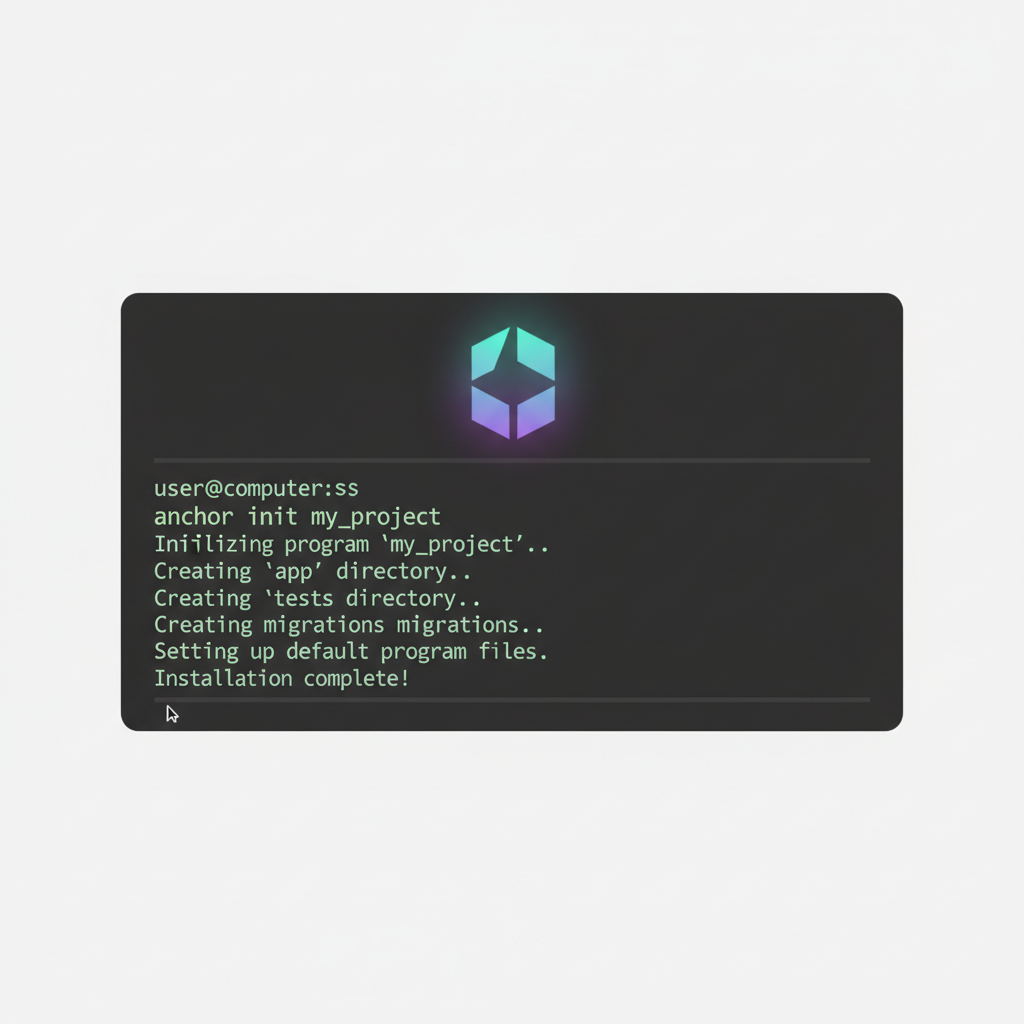
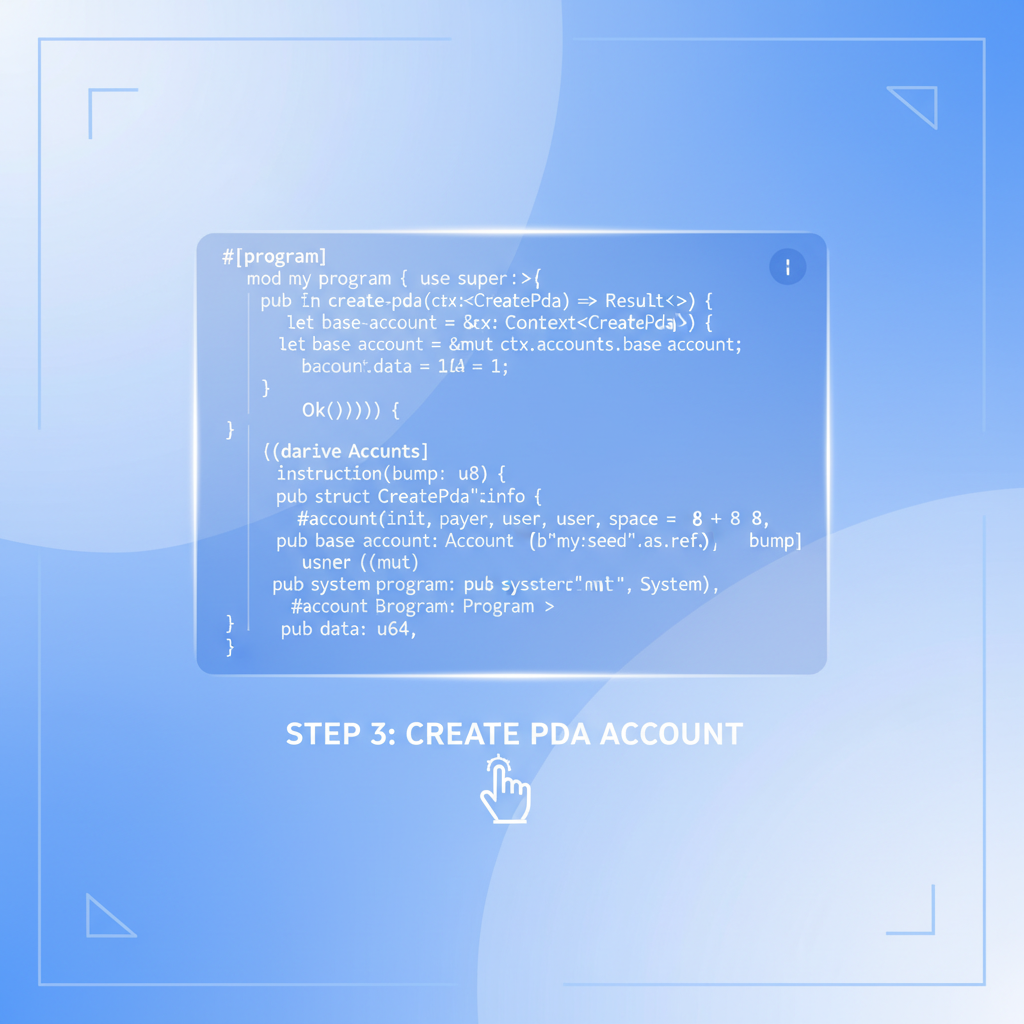
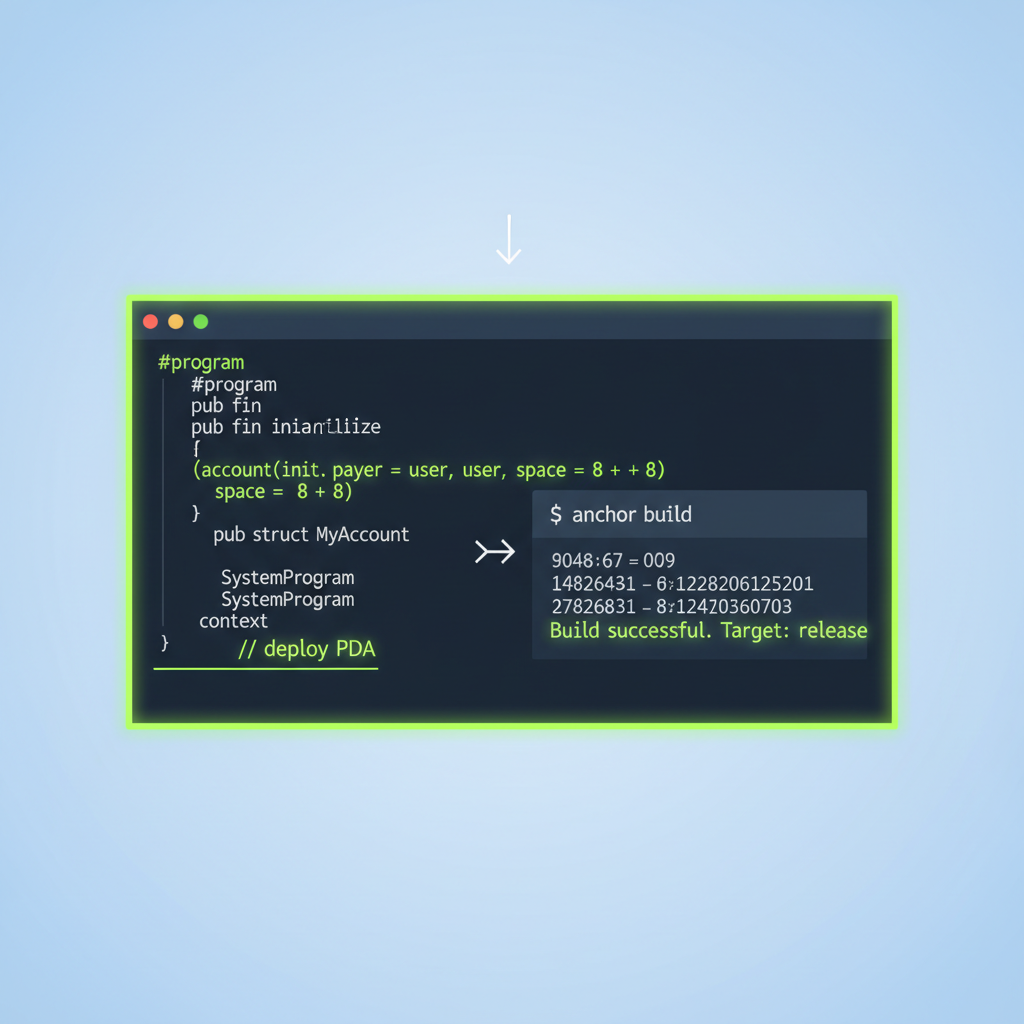
Let's get practical. Start with Anchor CLI: anchor init my-agent-wallet. In lib. rs, declare a PDA account:
This code snippet derives a PDA from your agent's ID seed, initializes it with SOL balance tracking, and closes it if needed. From here, hook it to an AI framework like SendAI's Kit. Your agent queries the PDA state, computes instructions via LLM, and submits transactions signed by the program. Chainstack's guides nail the client-side calls using findProgramAddress.
Security shines here: bumps prevent collisions, and seeds tie PDAs to specific agents, enabling non-custodial ai agent wallets solana. Alchemy's 2026 tutorial pushes production hardening, like rate limits and oracles for AI decisions. With SOL at $80.54, test on devnet - deploy, fund the PDA, and watch your agent transfer tokens autonomously.
Helius docs emphasize wallet-agnostic setups, pairing PDAs with RPCs for real-time data feeds. Ethereum researchers note similar patterns, but Solana's speed wins for live agents. Next, we'll dive into advanced integrations. . .
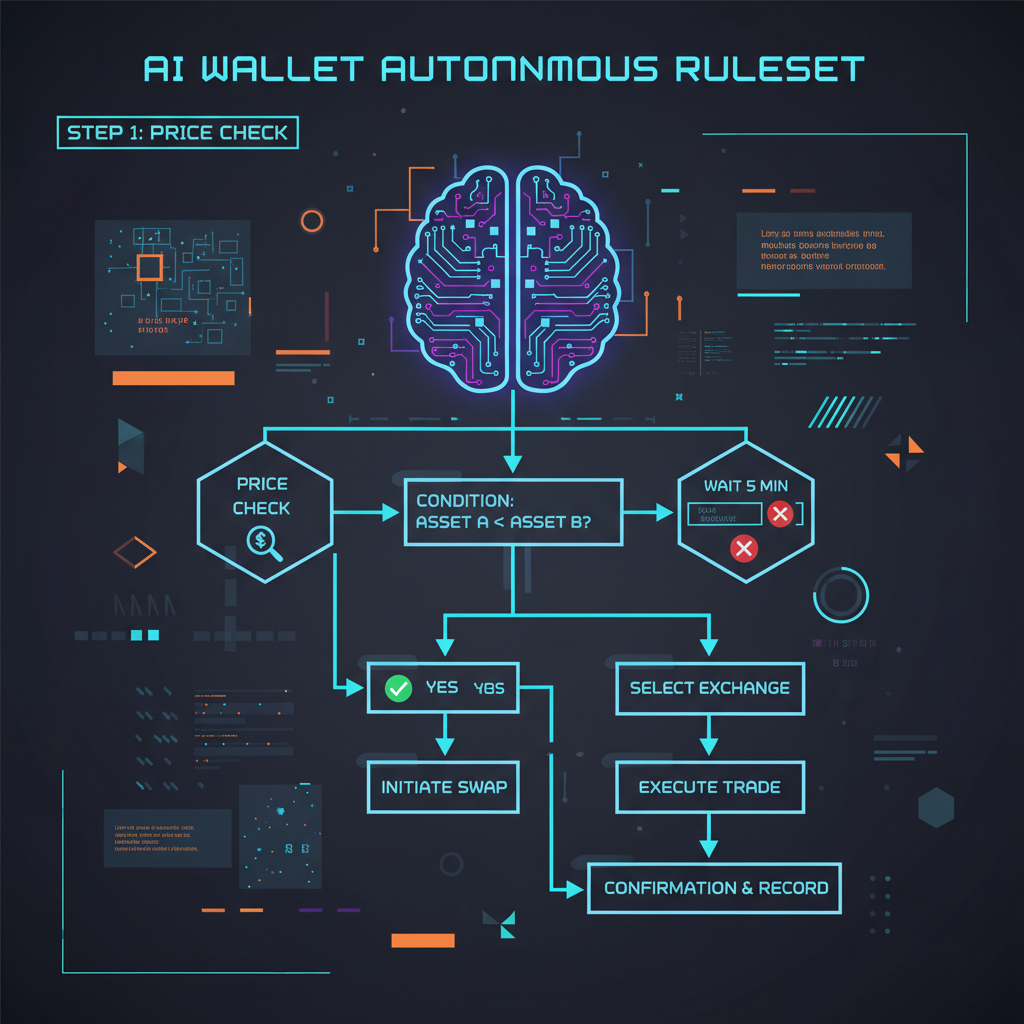
Scaling up means chaining PDAs for complex agent logic, like separate accounts for trading vaults, fee escrows, or NFT holdings. In a build ai agent crypto wallet solana setup, your program can CPI into SPL Token for transfers or Jupiter for swaps, all PDA-signed. I love how this mirrors swing trading discipline: set rules once, let the system ride the waves without emotional overrides.
Advanced Integrations: PDAs Meet AI Frameworks
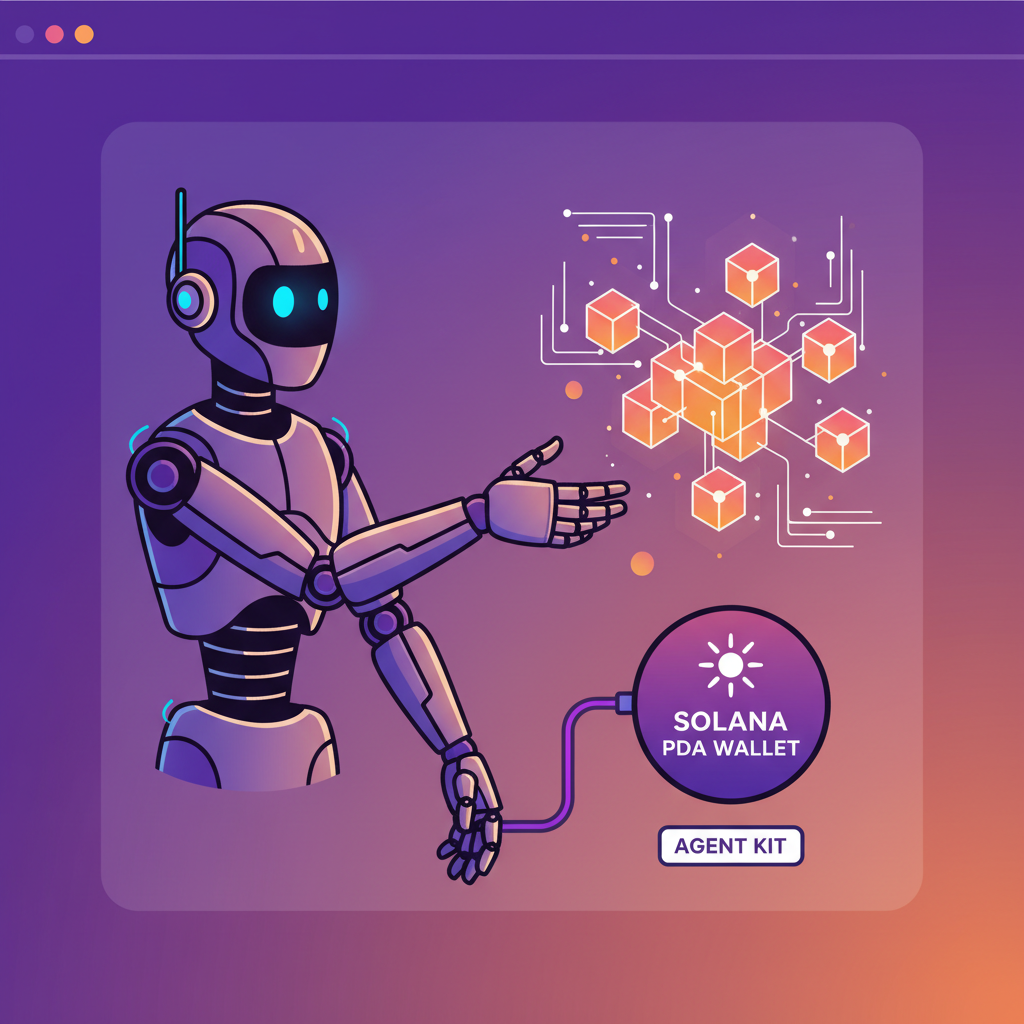
Plugging PDAs into AI isn't plug-and-play yet, but frameworks bridge the gap. SendAI's Solana Agent Kit lets LLMs generate instructions from PDA states, while Fetch. ai's uAgents handle Solana via EscrowAgents that lock funds programmatically. Helius RPCs feed real-time data - SOL's dip to $78.26 low yesterday? Agents could have bought the bounce back toward $80.54 using PDA vaults.
Unlock AI Autonomy: Build PDA-Powered Agent Wallet & Swap Tokens
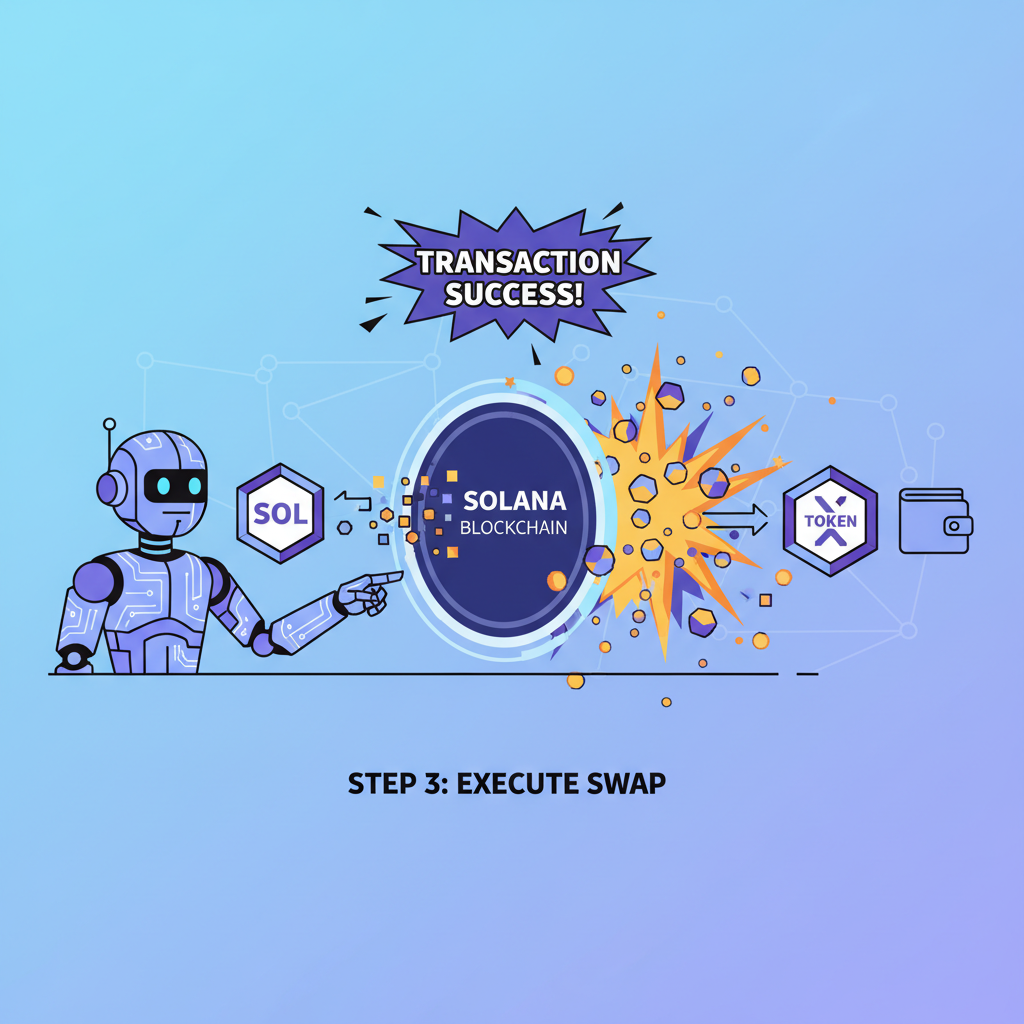
Turnkey adds policy layers, ensuring agents only act on verified prompts. Medium papers on DeFi agent wallets highlight PDAs reducing custody needs by 90%, a stat that gets me excited for production bots scanning momentum like I do in equities.
Colosseum hackathons proved it: sovereign treasuries zapping SOL on devnet via PDAs. No keys, pure autonomy. As SOL trades at $80.54 with that -1.85% 24-hour change, these agents could dynamically rebalance portfolios, hedging against volatility from $82.79 highs.
Real-World Builds: Non-Custodial AI Agent Wallets Solana in Action
SolClaw stands out - a framework layering payments over PDAs for agents, dodging wallet pitfalls entirely. Pair it with Eliza for Twitter bots announcing trades, or lablab ai's autonomous wallet tuts for full-stack inspo. Alchemy's 2026 guide stresses secure wallet impls with PDAs at the core, including oracle checks to ground AI decisions in market truth.
I've swing traded through crypto winters; PDAs feel like the stops I always set - automatic, unforgiving protection. For non-custodial ai agent wallets solana, initialize token PDAs for USDC or meme coins, let agents farm yields on Kamino or Orca. Chainstack's Anchor deep-dive shows closing PDAs to reclaim rent, optimizing costs as SOL holds $80.54.
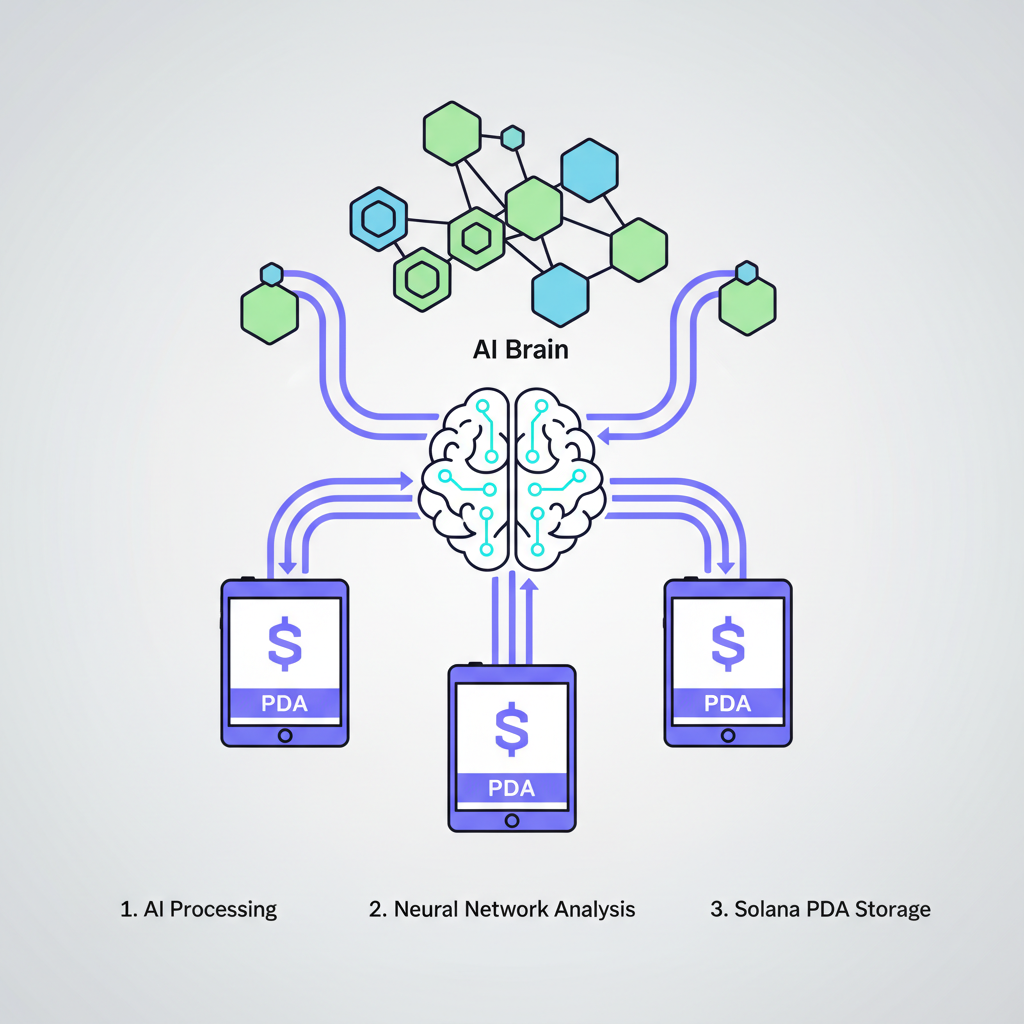
PDAs aren't just accounts; they're the trustless brain for AI on Solana, turning agents from scripted toys into market sharks.
Challenges persist: seed collisions if poorly chosen, or AI hallucinating bad instructions. Mitigate with bumps, multi-sig PDAs, and human oversight toggles. Vector Wallet's opt-in AI shines here, approving only pre-set strategies. Ethereum's key management debates lag Solana's PDA maturity - speed plus determinism wins.
Deploy today: fund your PDA with SOL at $80.54, hook to an LLM for signal gen, execute via program. Hackathons like Colosseum show treasuries going live; your agent could be next, flipping that 24-hour range into gains. The ecosystem's heating up - Solana Agent Kit evolutions promise even tighter AI-blockchain fusion.
Bottom line, PDAs unlock true autonomy without the key drama. Builders, grab Anchor, seed your agent's future, and let it surf SOL's waves. With tools like these, solana pda ai agent wallet setups aren't tomorrow's dream; they're deployable now.
No comments yet. Be the first to share your thoughts!